November 19, 2021
WEST CHESTER (November 19, 2021) – Habitat for Humanity of Chester County and the Coatesville 2nd Century Alliance were awarded more than $91,000 in total state funding to support their ongoing efforts to provide affordable housing and energize growth and development in Coatesville, state Senator Carolyn Comitta said.
The funding was awarded through the Pennsylvania Department of Community and Economic Development’s Neighborhood Assistance Program (NAP), which supports nonprofit, business, and residential projects in distressed areas or low-income neighborhoods.
The program has five main components: The Neighborhood Assistance Program (NAP), Special Program Priorities (SPP), the Neighborhood Partnership Program (NPP), the Charitable Food Program (CFP), and the Enterprise Zone Program (EZP).
Habitat for Humanity of Chester County (HfHCC) in Coatesville was awarded $11,250 from the Special Program Priorities (SPP). The SPP aims to assist low-income families facing high rental rates, improve living conditions in the community, and boost growth and development.
HfHCC will use the funds to construct homes at Cambria Terrace, an affordable housing development in the city. In 2021-22, volunteers will complete a new home and start three more in the Cambria neighborhood that will provide four low-income families with affordable homeownership.
The Coatesville 2nd Century Alliance was awarded $80,000 from the Neighborhood Partnership Program (NPP) for the downtown revitalization in the City of Coatesville. Projects are designed to improve access to job and economic opportunities, quality education, affordable housing, quality-of-life amenities, and other key factors in building healthy communities.
The funds will be used to support the alliance’s fourth year of its downtown revitalization plan, focusing on the retention, celebration, and promotion of the existing business base. The alliance plans to employ creative strategies to encourage new patrons such as engaging social media, special events, and coupon vouchers underwritten by NPP funds. In addition, the NPP funding will support façade improvement grants, a systemized, reliable, and regular street cleanup program, and collaborative partnerships with the city to address blighted and vacant buildings.
Senator Comitta, who recently helped mark the groundbreaking of the new Coatesville Train Station, welcomed continued investments in the city’s ongoing revitalization.
“Ensuring that our neighborhoods and communities are safe, healthy, and welcoming for all begins with supporting affordable quality housing opportunities and revitalizing our downtowns, main streets, and local business districts,” Comitta said. “These programs also offer Coatesville residents, community members, and business owners an opportunity to play a leading role in their future success and growth.”
“Communities from every corner of Pennsylvania will benefit from this funding – the result of public-private partnerships and cooperation,” said Gov. Wolf. “We are pleased to continue supporting NAP applicants who are committed to advancing and improving communities by making thoughtful plans to address the issues impacting their neighborhoods. These projects make the state stronger as a whole and keep it the best place to live, work, and play.”
“NAP funding can support improved community health, property renovations, address food security and blight, and so much more in neighborhoods throughout the commonwealth,” said Department of Community and Economic Development Secretary (DCED) Dennis Davin. “This program is incredibly valuable in encouraging public-private partnerships that lead to community improvements and a better quality of life for Pennsylvanians.”
NAP encourages private sector investment into projects that will help improve financially distressed communities by providing tax credits to businesses that donate capital to support projects that address neighborhood and community problems. NAP can be used for projects in categories including affordable housing, community services, crime prevention, education, job training, charitable food, blight, special population issues, veteran’s initiatives, and long-term community revitalization
This year’s program also provided for COVID-19 and social justice-related assistance. In recognition of the unprecedented level of challenges these events posed for residents of the commonwealth, a special emphasis was placed upon, and priority was given, to projects that sought to address critical issues related to the pandemic, its aftermath and recovery, social justice and support for policy changing movements, and improving opportunities for marginalized populations.
The Coatesville projects come as part of sixty community investments through NAP in the southeast Pennsylvania region to address blight and improve safety, housing, and commercial development. Other projects updated community revitalization plans, increased financial literacy, improved community gardens, and promoted healthy communities.
Statewide, this round of NAP funding provided nearly $36 million in total investments to 220 community revitalization projects across the Commonwealth.
More info about the NAP program.
###
November 8, 2021
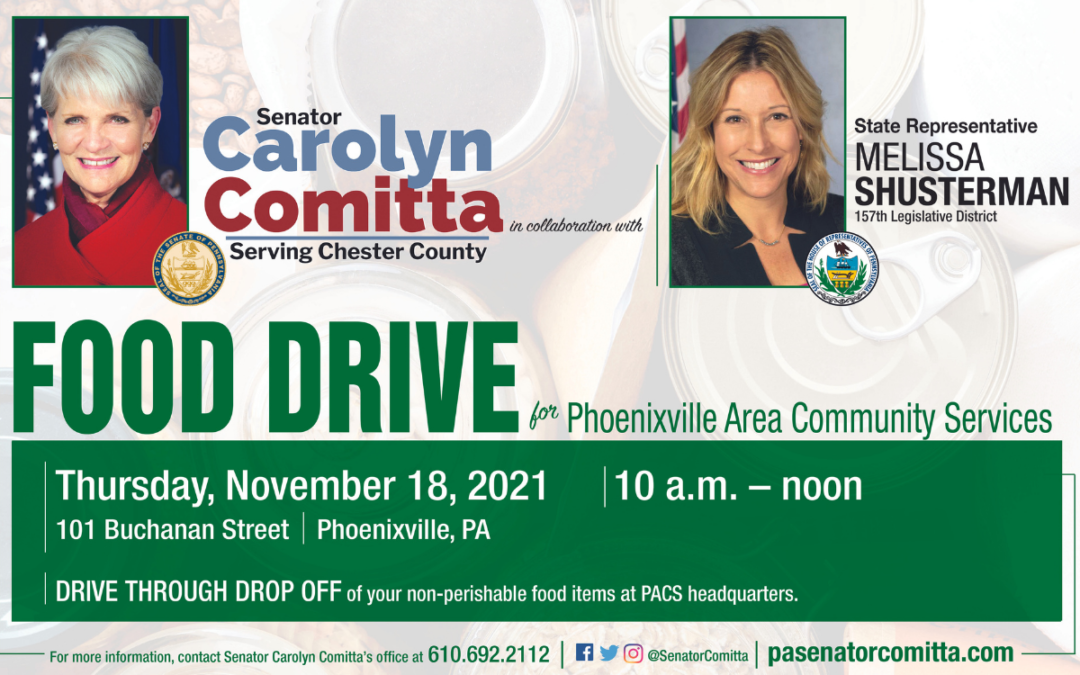
WEST CHESTER (October 20, 2021) – State Senator Carolyn Comitta and state Representative Melissa Shusterman are organizing a food drive this November to benefit residents, families, and seniors in need throughout the Phoenixville area.
Donations can be dropped at Phoenixville Area Community Services (PACS), located at 101 Buchanan Street in Phoenixville, on Thursday, November 18 from 10 a.m. to noon. Drive-through contactless drop-off is available.
All nonperishable food, cleaning and personal care items are appreciated, provided they are unopened and unexpired.
Holiday needs, include:
- Stuffing
- Gravy (packets)
- Instant mashed potatoes
- Cake mix
- Canned:
- Sweet potatoes
- Fruit
- Green beans
- Corn
- Cranberry sauce
- Cereal
- Vegetable oil and canola oil
- Cleaning supplies
- Toilet paper, tissue, and paper towels
- Diapers and pull-ups
“Food insecurity has become a greater concern for many households during this pandemic. No family should have to worry about putting food on the table,” state Senator Carolyn Comitta said. “I appreciate PACS and all our local agencies for working to support and uplift Chester County families during these difficult times. As we approach the holidays, I encourage those who can to donate, volunteer, or help out in any way possible. Together, we can ensure that the joy of the holiday season reaches every corner of the community.”
State Representative Melissa Shusterman added, “Food insecurity has the potential to affect anyone. I am so pleased to partner with Senator Comitta to facilitate this food drive to help those in need. No one deserves to go hungry, and I know our community is eager to support our most vulnerable.”
Since 1972, Phoenixville Area Community Services, a registered nonprofit organization has served as a food pantry, meal provider, referral service and food security resource for residents of Phoenixville and the surrounding region.
At the onset of the pandemic in 2020, their work was more important than ever. PACS received over 45,000 requests for food, five times their usual requests for assistance. PACS has also served to assist over twelve local agencies and nonprofits with food security concerns.
Learn more about their PACS’ mission or how to donate at www.pacsphx.org.
November 8, 2021
WEST CHESTER (November 8, 2021) – A package of four bills aimed at strengthening protections for students and preventing and combating sexual assault on college campuses has been introduced in the Pennsylvania legislature, state Senator Carolyn Comitta said.
Comitta, a member of the Pennsylvania Commission for Women, the Women’s Health Caucus, and the Senate Education Committee, is a strong supporter and co-sponsor of the four-bill package, which is part of the governor’s “It’s On Us PA” initiative.
“We all have an important role to play in reframing the conversation on sexual assault, empowering victims, and creating a safe, healthy, and welcoming environment for all,” said Comitta. “As legislators, it is our duty to support students and equip our higher education institutions with the tools necessary to prevent and stop sexual assault and violence on campuses.”
The bills are as follows:
- Senate Bill 730, sponsored by Senator Amanda Cappelletti and House Bill 1489, sponsored by Rep. Brian Sims, also known as the “Yes Means Yes” Law. It requires all postsecondary institutions in Pennsylvania to adopt policies with clear standards of what is and is not consent. The bill also increases access to comprehensive, coordinated, and confidential support and services for victims of sexual violence, dating violence, domestic violence, and stalking.
- Senate Bill 909, sponsored by Senator Steve Santarsiero and House Bill 1699, sponsored by Representative Karen Boback. The bills strengthen protections for victims of on-campus crime by requiring postsecondary institutions to provide written notification of rights, services, accommodations, and protective measures to students and employees who may be victims of dating violence, domestic violence, sexual assault, or stalking. In addition, they call for schools to provide protective accommodations or measures to victims regardless of whether they choose to file a police report.
- Senate Bill 785, sponsored by Senator Judith Schwank and House Bill 1490, sponsored by Representative Jessica Benham. This legislation requires schools to provide instruction to 7-12 grade students on how to identify and prevent dating violence, sexual assault, sexual harassment, and stalking to help prepare and equip young people for safe and healthy futures.
- Senate Resolution 122, sponsored by Senator Vincent Hughes and House Resolution 108, sponsored by Representative Carol Hill-Evans. The resolutions call for creating a task force on secondary and postsecondary campus sexual assault and relationship violence. The taskforce, under the Joint State Government Commission, would focus on identifying, comparing, and analyzing the prevention and response policies of different educational settings relating to sexual harassment, sexual assault, dating violence, domestic violence, and stalking. In addition, it would evaluate the benefits or deficiencies of the use of response and prevention programs in postsecondary institutions.
Governor Wolf added, “We have made a lot of progress in combatting sexual violence and harassment in schools, but we need to do more to ensure all of our students are safe. These four legislative proposals are the next step to preventing assaults and violence and ensuring victims get the help they deserve. I commend the legislators joining me in this fight and urge the leadership in the General Assembly to quickly take up this legislation for a vote and send it to my desk.”
“The Pennsylvania Commission for Women is grateful for this new legislation that will help mitigate sexual misconduct on campus. This legislation has the power to protect so many young women and students who are at risk,” said Pennsylvania Commission for Women Executive Director, Moriah Hathaway. “We are proud to support the It’s On US PA campaign and encourage everyone to take the pledge. We will continue to work with the Pennsylvania Coalition Against Rape, the Governor’s Office, and the General Assembly to advocate for women and girls in Pennsylvania.”
“The Pennsylvania Coalition Against Rape is grateful to join Governor Wolf in support of survivors of campus sexual assault. The It’s On Us PA legislative package will help strengthen sexual assault prevention and response on college campuses throughout the state and ensure students impacted by sexual assault and abuse have access to the support of rape crisis centers,” said Karen Baker, CEO, Pennsylvania Coalition Against Rape.
It’s on Us PA is a statewide campaign that invites everyone to play a role in ending sexual assault on college campuses. Launched by the Wolf administration in 2016, the Pennsylvania program is modeled on the success of the national It’s On Us campaign, an initiative of the Obama-Biden White House. It aims to effectively address and counter the culture of sexual assault on campus by opening a larger conversation about recognizing, identifying, and intervening in situations where consent has not or cannot be given. To date, two of the governor’s It’s on Us PA initiatives have been enacted.
In addition, the administration has also provided $5 million in It’s On Us PA grants to 190 public and private post-secondary schools to help change the culture on campus.
###
November 5, 2021
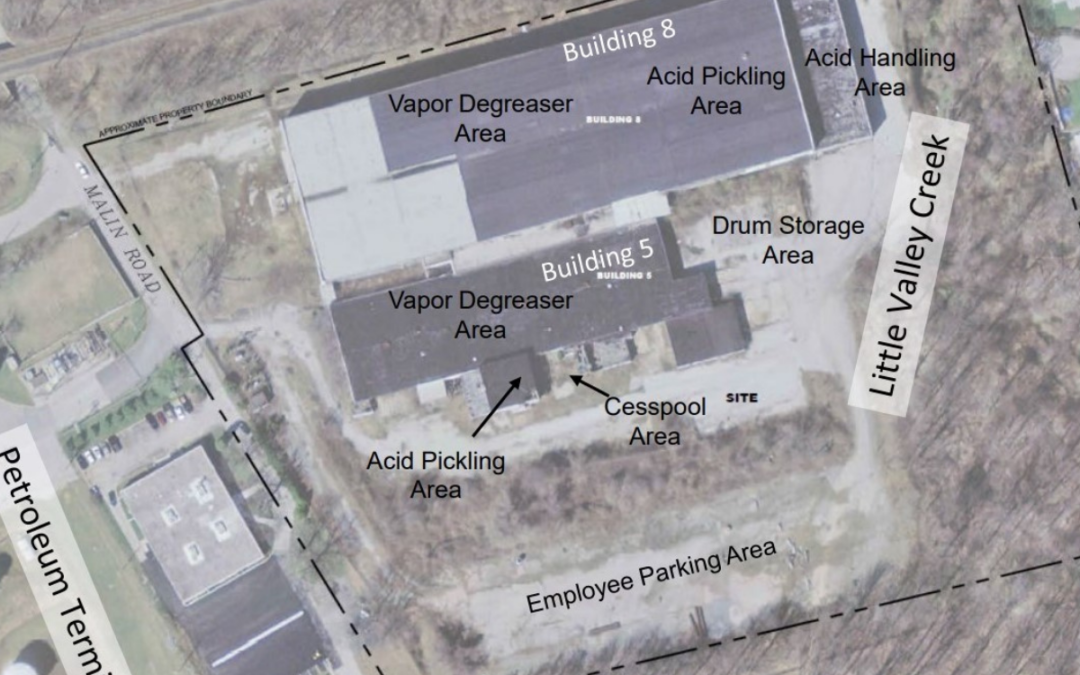
WEST CHESTER (November 5, 2021) – Residents who want to weigh in on the Pennsylvania Department of Environmental Protection’s (DEP) plans to remediate environmental contamination at the site of the former Bishop Tube facility in East Whiteland Township have until Monday, November 8, to register for a virtual public hearing.
DEP is holding the virtual public hearing on Tuesday, November 9 at 6:30 p.m. Residents must register at least 24 hours in advance by e-mailing RA-EP-SEROECB@pa.gov. A link will be provided upon registration and oral comments will be limited to five minutes.
For those interested in only listening, access information is available at https://www.dep.pa.gov/PublicParticipation/Pages/Virtual-Public-Hearings.aspx
DEP is proposing a remedial response action to address soil, groundwater, and surface water contamination, as well as an impacted residential drinking water supply at the 13.7-acre site where several industrial businesses manufactured stainless steel tubes and seamless stainless steel products from the 1950s until 1999.
Hazardous substances were employed in the manufacturing processes throughout the history of site, such as chlorinated solvents, including trichloroethene (TCE). TCE, a commercial-grade solvent that was commonly used as a degreasing agent for manufactured metal parts, is the primary source of concern that led to soil contamination and groundwater impacts. In addition, other contaminants have been detected at the site, including elevated levels of fluoride, chromium, aluminum, and nickel. However, according to DEP, the TCE concentrations within soil, groundwater, and surface water are generally higher than other chlorinated solvents at the site and it poses the most substantial threat to human health and the environment. Besides being a known carcinogen, prolonged exposure to TCE can result in serious neurological, cardiac, reproductive, and developmental health problems.
Under the authority of the Hazardous Sites Cleanup Act, DEP is proposing to remediate the site to a combination of background, statewide health, and site-specific standards in accordance with the Land Recycling Program. After considering several courses of action, DEP is proposing a combination of in situ chemical injections, soil mixing, engineering practices, institutional controls, and long-term monitoring to address the soil, groundwater, and surface water contamination. The residences with the impacted well would be connected to an existing public water line.
The injection of chemical oxidants creates a chemical reaction that destroys harmful contaminants and produces harmless byproducts. It is commonly described as “in situ” because it is conducted in place, without having to excavate soil or pump out groundwater for aboveground cleanup.
<<Visit DEP’s Bishop Tube Page for More Info on the Proposal>>
According to DEP Secretary Patrick McDonnell, the $8.1 million proposed plan would protect public health and the environment and is more cost-effective than other considered alternatives.
State Senator Carolyn Comitta, minority chair of the Department of Environmental Resources and Energy Committee, is encouraging residents to review the plan and submit their comments.
“Over the years, residents and business owners have raised questions and expressed ongoing concerns about the future of this site,” she said. “It’s important that community members understand DEP’s proposed remediation plan and have an opportunity to weigh in, ask questions, and get answers.”
In addition to the public hearing, residents can submit public comment in writing until January 31, 2022. Written comments can be submitted by sending them via mail to Dustin A. Armstrong, Department of Environmental Protection, 2 East Main Street, Norristown, PA 19401, or by email to RA-EP-SEROECB@pa.gov. Please include “Bishop Tube Public Comment” in the subject of the email.
All comments, whether delivered orally during the virtual hearing or submitted in writing carry equal weight and consideration with DEP.
October 25, 2021
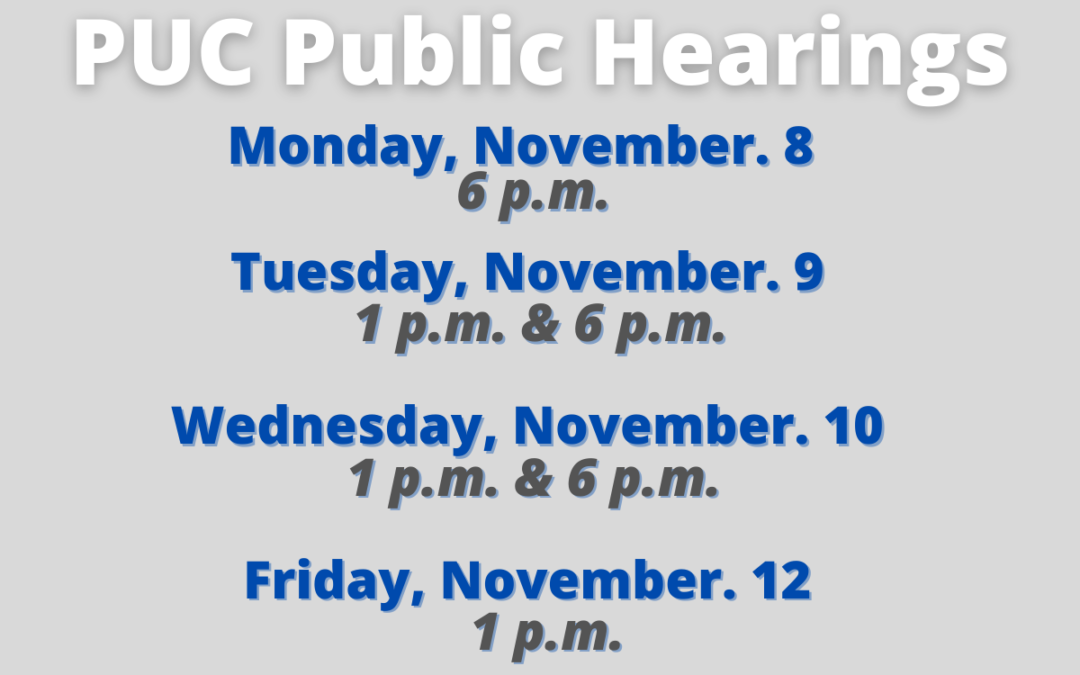
WEST CHESTER (October 25, 2021) – Residents interested in officially weighing on Aqua Pennsylvania’s plans to raise water and wastewater rates have until Friday, November 5 at 4 p.m. to sign up to participate in a series of telephone public input hearings scheduled by the Pennsylvania Public Utility Commission.
The telephone hearings are scheduled for the following dates and times:
- Monday, Nov. 8, 2021 – Hearing will begin at 6 p.m.
- Tuesday, Nov. 9, 2021 – Hearings will begin at 1 p.m. and 6 p.m.
- Wednesday, Nov. 10, 2021 – Hearings will begin at 1 p.m. and 6 p.m.
- Friday, Nov. 12, 2021 – Hearing will begin at 1 p.m.
PUC Administrative Law Judge Mary D. Long will preside over the hearings.
Aqua Pennsylvania’s proposed rate increase would raise average monthly residential water bills by up to 17 percent and average monthly wastewater bills by nearly 33 percent. Under the proposals, the average monthly bill for a residential water customer using 4,000 gallons per month would increase by $11.97, from $69.35 to $81.32. The average monthly bill for a residential wastewater customer would increase $18.44 (33.2%) from $55.51 to $73.95.
Those interested in participating in the hearings must register via email or by phone in advance to submit public input.
Registering by Email:
To pre-register by email, please email Judge Long’s legal assistant, Daniela Alban at dalban@pa.gov, and provide the following information:
- Your first and last name.
- The date and time of the hearing at which you wish to testify.
- The phone number you will be using to call into the public input hearing.
- If you require an interpreter to participate in the hearing, the language of the interpreter.
Registering by Telephone:
To pre-register by phone, please call Judge Long’s office at 412-565-3550 and leave a message providing the following:
- Your first and last name.
- The date and time of the hearing at which you wish to testify.
- The phone number you will be using to call into the public input hearing.
- A phone number where you can be reached prior to the hearing if we need to contact you.
- Your email address, if you have one.
- If you require an interpreter to participate in the hearing, the language of the interpreter.
Providing Written Public Comment:
If you wish to submit written public comment, you may write a letter or complete the proposed comment form and send it to the Pennsylvania Public Utility Commission, P.O. Box 3265, Harrisburg, PA 17105.
State Senator Carolyn Comitta, who has already written to the PUC in opposition to the increases, encouraged impacted residents and families to sign up for the hearings and make their voices heard. She plans to offer testimony at the November 9 public hearing.
Aqua Water provides water service to approximately 434,264 customers in portions of more than 200 municipalities throughout 32 Pennsylvania counties. Aqua Wastewater provides wastewater service to approximately 40,284 customers in portions of more than 40 municipalities throughout 15 Pennsylvania counties. Collectively, the two companies serve nearly 1.5 million people throughout the Commonwealth, including many in Chester County and southeastern Pennsylvania.
Aqua Pennsylvania’s last rate increase was filed in 2018 and became effective in 2019. It resulted in average water customers experiencing a nearly 10 percent increase and wastewater average customers shouldering a nearly 35 percent hike.
For more information on the ratemaking process, call the PUC at 1-800-692-7380 or visit the PUC website.
October 21, 2021
UPDATE: Unfortunately, the Red Cross has been forced to postpone the Blood Drive scheduled for November 8 at the Oscar Lasko YMCA.
We are working to reschedule it and will keep you posted of a new date. In the meantime, we still encourage eligible donors to give blood. You can find donation opportunities in our area at www.redcrossblood.org
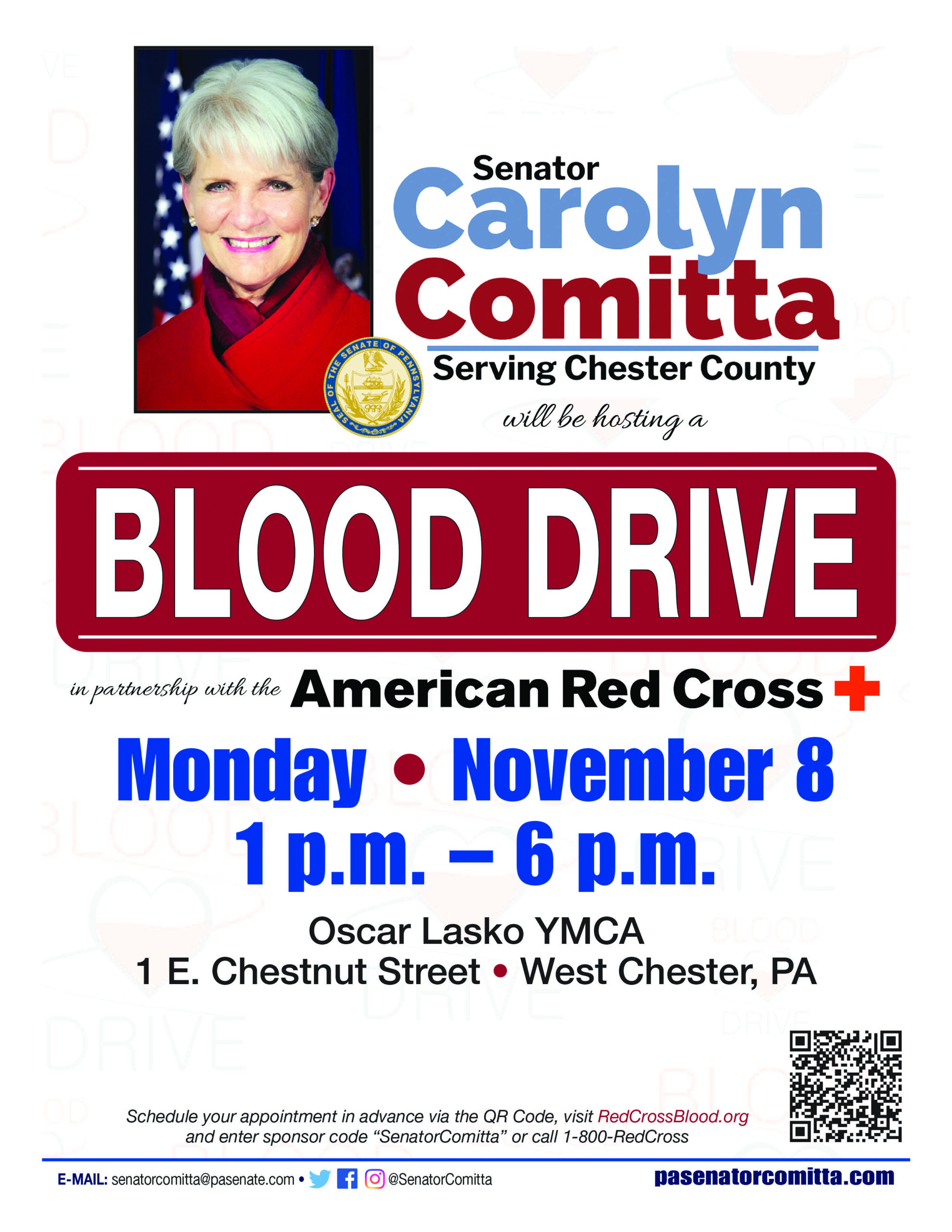
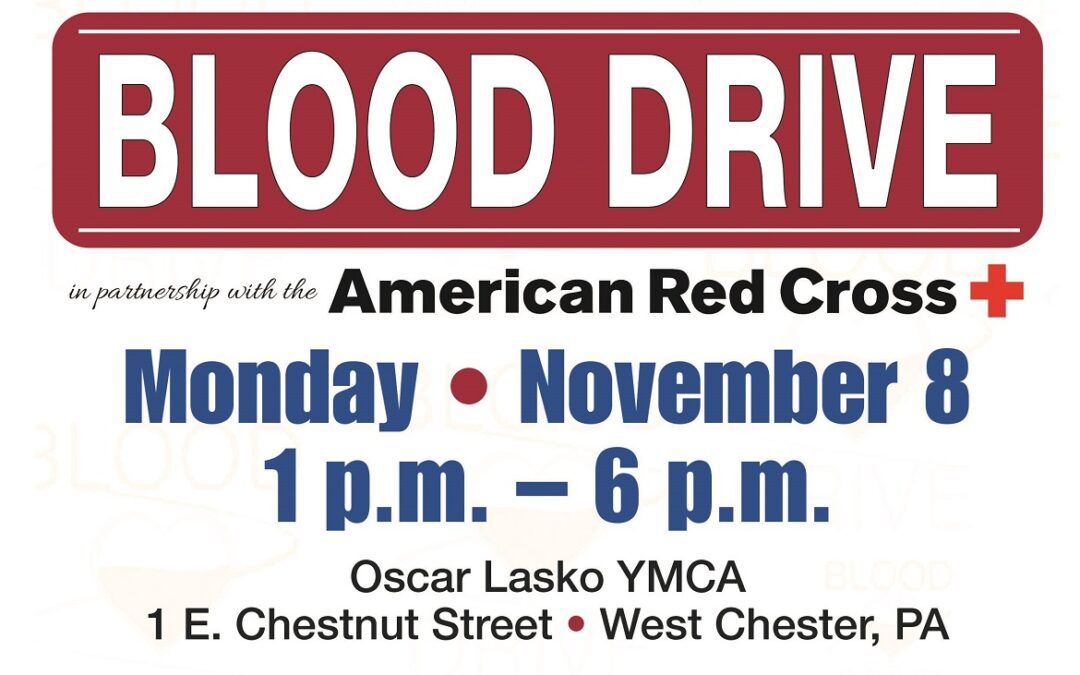
WEST CHESTER (October 21, 2021) – In response to an ongoing blood shortage, state Senator Carolyn Comitta in partnership with the American Red Cross and the Oscar Lasko YMCA is hosting a blood drive on Monday, November 8 from 1 p.m. to 6 p.m.
The blood drive will take place at the Oscar Lasko YMCA, 1 East Chestnut Street in West Chester.
Interested donors are encouraged to schedule their appointment in advance via the American Red Cross’s website and enter sponsor code “SenatorComitta” or call 1-800-RedCross. Walk-ins will be accepted based on availability.
“Blood donations are always needed, but since the onset of the pandemic there has been an even greater need,” said Senator Comitta. “Critical blood shortages are being felt across the state and nation. By donating blood, you can support an individual with a chronic illness, traumatic injury, or in need of life-saving surgery.”
According to the American Red Cross, which supplies 40 percent of the nation’s blood supply, donor turnout recently reached the lowest levels of the year and the blood supply has dropped to the lowest it has been at this time of year since 2015.
 While blood product distributions to hospitals remain strong, significantly outpacing blood donations in recent weeks, the Red Cross needs to collect 10,000 additional blood products each week over the next month to overcome the current shortage and meet the needs of patients in hospitals across the country.
“There is a critical shortage of blood across Pennsylvania and the nation, as COVID-19 has prevented some donors from giving blood and impacted the scheduling of blood drives,” Acting Physician General Dr. Denise Johnson said. “Blood is essential for surgeries, traumatic injuries, cancer treatment and chronic illnesses, which is why it is so important for individuals to go to their local blood bank or find a blood drive near them and donate. An adequate supply of blood is essential to ensure Pennsylvanians have safe, continuous access to the highest quality of health care.”
Approximately 36,000 units of red blood cells are needed every day in the United States. While blood donations are a critical and integral part of medical care, only about 3 percent of age-eligible people donate blood yearly. However, one donation can save up to three lives.
Many patients who have major surgeries will need a blood transfusion to replace blood lost during their procedure. Blood transfusions are also used for patients who have serious injuries from car crashes or natural disasters, and people with illnesses that cause anemia, like leukemia or kidney disease, will often receive blood transfusions.
The type of blood most commonly requested and used by hospitals is type O. Type O blood can be transfused to patients with any blood type, which is why it is often used in emergencies when there is not enough time to determine a patient’s blood type. Because only 7 percent of people in the U.S. are type O negative, it’s always in great demand and often in short supply.
The Red Cross has had less than a day’s supply of certain blood types in recent weeks. The supply of type O blood, dropped to less than a half-day supply at times over the last month − well below the ideal five-day supply
However, all blood types are needed to ensure there is a reliable supply.
Fall is typically a time when the blood supply rebounds from summer shortages as more students return to school and college and more donors are available, Comitta noted.
“I encourage all healthy, eligible donors to consider giving blood,” she said. “If you cannot, please help spread the word. Every donation can help save lives.”
Eligible donors must meet the following criteria to donate, you must be in good health and feeling well, must be at least 16 years old or older, and you must weigh at least 110 lbs.
More information on donor eligibility or to register online, visit www.redcrossblood.org.
October 20, 2021
WEST CHESTER (October 20, 2021) – State Senator Carolyn Comitta and state Representative Melissa Shusterman are organizing a food drive this November to benefit residents, families, and seniors in need throughout the Phoenixville area.
Donations can be dropped at Phoenixville Area Community Services (PACS), located at 101 Buchanan Street in Phoenixville, on Thursday, November 18 from 10 a.m. to noon. Drive-through contactless drop-off is available.
All nonperishable food, cleaning and personal care items are appreciated, provided they are unopened and unexpired.
Holiday needs, include:
- Stuffing
- Gravy (packets)
- Instant mashed potatoes
- Cake mix
- Canned:
- Sweet potatoes
- Fruit
- Green beans
- Corn
- Cranberry sauce
- Cereal
- Vegetable oil and canola oil
- Cleaning supplies
- Toilet paper, tissue, and paper towels
- Diapers and pull-ups
“Food insecurity has become a greater concern for many households during this pandemic. No family should have to worry about putting food on the table,” state Senator Carolyn Comitta said. “I appreciate PACS and all our local agencies for working to support and uplift Chester County families during these difficult times. As we approach the holidays, I encourage those who can to donate, volunteer, or help out in any way possible. Together, we can ensure that the joy of the holiday season reaches every corner of the community.”
State Representative Melissa Shusterman added, “Food insecurity has the potential to affect anyone. I am so pleased to partner with Senator Comitta to facilitate this food drive to help those in need. No one deserves to go hungry, and I know our community is eager to support our most vulnerable.”
Since 1972, Phoenixville Area Community Services, a registered nonprofit organization has served as a food pantry, meal provider, referral service and food security resource for residents of Phoenixville and the surrounding region.
At the onset of the pandemic in 2020, their work was more important than ever. PACS received over 45,000 requests for food, five times their usual requests for assistance. PACS has also served to assist over twelve local agencies and nonprofits with food security concerns.
Learn more about their PACS’ mission or how to donate at www.pacsphx.org.

October 19, 2021
WEST CHESTER (October 19, 2021) – 42 acres of farmland in Cochranville will be preserved thanks to state and county investments in agricultural land preservation, state Senator Carolyn Comitta said today.
The Mark A. & Claudia V. Cole farm, a 42-acre crop and livestock operation, received an investment of $8,994 from the Pennsylvania Farmland Preservation Program and $152,682 from the county program.
“Preserving local farms helps conserve open space, protect our environmental resources, and ensure access to healthy, nutritious, locally-grown food,” said Comitta, who serves on the Senate Agriculture and Rural Affairs Committee. “Agriculture is part of our heritage and our economic success in Chester County and Pennsylvania. These investments are important for all those reasons, as well as countering the encroaching pressures of development on our farms and rural areas.”
The preserved farmland comes as part of nearly 1,999 acres on 21 farms in 13 counties protected from future development today through the Commonwealth’s Farmland Preservation Program.
In total, the Cole farm, along with another farm located in Chester County, the Leila & Sander Lehrer farm, a 56-acre crop operation in Warwick Township, were awarded $18,861 in state and $497,728 in county farmland preservation investments.
“Farmland preservation provides a secure pathway for future generations to succeed,” said Secretary Redding. “It ensures future agriculturalists have land to farm, and in return, consumers will have food on the table. Once farmland goes out of production, it rarely comes back, which is why farmland preservation is so important.”
Pennsylvania leads the nation in both the number of farms and acres permanently preserved for agricultural production. The Farmland Preservation Program, also known as the Pennsylvania Agricultural Conservation Easement Purchase Program, was developed to strengthen Pennsylvania’s agricultural economy and protect prime farmland. This program enables state and county governments to purchase conservation easements from farmers
Since it was established in 1988, the program has invested more than $1.6 billion to purchase permanent conservation easements on 5,949 Pennsylvania farms, covering 603,646 acres, in 58 counties, ensuring they will remain farms in perpetuity.
A 2019 research study funded by the Pennsylvania Department of Agriculture and conducted by Dr. Thomas Daniels of the University of Pennsylvania, found the total economic impact of farmland preservation in Pennsylvania to be valued from $1.8 to $2.9 billion annually. The report also concluded environmental benefits of farmland preservation are estimated at an additional $1.9 billion annually.

October 18, 2021
WEST CHESTER (October 18, 2021) – State Senator Carolyn Comitta recently voiced her opposition to Aqua Pennsylvania’s proposed rate increase, which would increase average monthly residential water bills by up to 17 percent and average monthly wastewater bills by nearly 33 percent.
“Affordable, quality water and wastewater services are a basic necessity,” Comitta wrote in a letter to the Pennsylvania Public Utility Commission (PUC). “This increase will place an undue burden on residents, families, senior citizens, and those on fixed incomes in communities across my district. Furthermore, it comes at the very time that we continue to face the unprecedented challenges associated with an evolving pandemic, an ongoing economic crisis, and significant storm and flood damage from Hurricane Ida.”
Under the proposals, the average monthly bill for a residential water customer using 4,000 gallons per month would increase by $11.97, from $69.35 to $81.32. The average monthly bill for a residential wastewater customer would increase $18.44 (33.2%) from $55.51 to $73.95.
According to Aqua, the rate increase would be used to cover necessary upgrades and repairs to its distribution and treatment systems.
The PUC may approve or deny the rate increase on Aqua customers, which would go into effect in 2022. Earlier this month, it voted to suspend and investigate the rate increase requests for up to seven months and assign them to the Office of Administrative Law Judge for evidentiary hearings and the issuance of recommended decisions or settlements.
Comitta also noted that while seeking the rate increase, the company continues to purchase and pursue the acquisition of municipal water authorities across the Commonwealth and the southeast region, including the Chester Water Authority.
“I strongly oppose this increase and respectfully ask that the PUC carefully consider its potential impacts on all our communities, especially our most vulnerable families,” she wrote.
Aqua Water provides water service to approximately 434,264 customers in portions of more than 200 municipalities throughout 32 Pennsylvania counties. Aqua Wastewater provides wastewater service to approximately 40,284 customers in portions of more than 40 municipalities throughout 15 Pennsylvania counties. Collectively, the two companies serve nearly 1.5 million people throughout the Commonwealth, including many in Chester County and southeastern Pennsylvania.
Aqua Pennsylvania’s last rate increase was filed in 2018 and became effective in 2019. It resulted in average water customers experiencing a nearly 10 percent increase and wastewater average customers shouldering a nearly 35 percent hike.
Residents are encouraged to submit public comments on this proposed increase.
Comments can be sent to the Pennsylvania Public Utility Commission, P.O. Box 3265, Harrisburg, PA 17105. For more information on this process, call the PUC at 1-800-692-7380 or visit the PUC website: www.PUC.PA.gov.
More information on the ratemaking process is available on the Commission’s website.
Senator Comitta’s full letter to the PUC can be found here

October 15, 2021
WEST CHESTER (October 14, 2021) – An important project to bring 50 affordable senior housing units to the Borough of Phoenixville is on track to receive nearly $1.2 million in tax credits through the Pennsylvania Housing Finance Agency (PHFA).
PHFA announced today that $1.187 million in Low Income Housing Tax Credits has been conditionally reserved for the Hankin Group’s proposal to build 46 one-bedroom and 4 two-bedroom affordable housing units at 115 Buchanan Street in Phoenixville. The units, reserved for those age 62 and older, will be available at or below 60 percent of the area median income.
“We are truly grateful for the support we received from the borough, county and our state leaders. Providing affordable housing for seniors has been the most gratifying work of my career and we are happy to partner with the borough to create a safe and beautiful community for those 62 and older. It was with love and care that we restored and repurposed the Phoenixville Foundry in 2008 and we look forward to breaking ground on another new landmark in Phoenixville’s continuing renaissance,” said Robert Hankin, President and CEO of the Hankin Group, said.
The new apartment community, estimated to be about 54,000 in total square feet, is envisioned as a place where residents can maintain an active lifestyle within a safe, walkable, and welcoming downtown. Meanwhile, access to reliable public transportation is located nearby, not to mention numerous opportunities for community involvement, educational programming, social activities, and quality health care services.
The announcement was welcomed by state and local officials, including Senator Carolyn Comitta, state Rep. Melissa Shusterman, and state Rep. Danielle Friel-Otten who continue to support this and other important investments in affordable housing opportunities throughout the region.
“With a thriving downtown business district and premier shopping, dining, and entertainment opportunities, the Borough of Phoenixville has blossomed into a top destination in southeastern Pennsylvania. With such success comes the demand for housing and rising housing costs,” Comitta said. “These tax credits help ensure housing availability for our older friends and neighbors so that those who helped lay the groundwork for the borough’s current success can continue to be part of the Phoenixville community and enjoy all its ongoing revitalization has to offer.”
“I extend my congratulations to the Hankin Group for earning the 2021 PHFA award! The PHFA recognizes the need for sustainable, affordable housing for all residents. I am pleased to recognize the Hankin Group for their dedication to this cause, and for a job well done,” Shusterman said.
“For communities like Phoenixville that have experienced so much growth, it is imperative they have access to affordable housing options. As we continue to recover from the pandemic, we have seen how important affordable housing can be to one’s health and quality of life. I am grateful for this investment in our community from the PHFA and the Hankin Group,” Friel Otten said. “Thank you to all of our community partners for their efforts to secure this vital funding.”
“The borough partnered with The Hankin Group by contributing the land for this project and is excited by the opportunity to provide homes for some of our most vulnerable citizens, which includes an 11.5 percent senior population. This great project is in a location that is in direct walking distance of nearby shops and restaurants in downtown Phoenixville,” said Phoenixville Borough Manager E. Jean Krack.
The Phoenixville project comes as part of more than $43.6 million in low income housing tax credits announced for 37 affordable housing developments statewide. Along with $7.4 million in PennHOMES funding and more than $15.9 million in National Housing Trust Funds, these investments will support the construction of 1,974 affordable multifamily rental units across the Commonwealth.
“Tax credits are the best tool we have for supporting the construction of affordable rental housing in Pennsylvania,” said PHFA Executive Director and CEO Robin Wiessmann. “Our mission at PHFA is to expand affordable housing options for the state’s residents, and these developments receiving tax credits today will help us do that.”
“The pandemic has shown just how important affordable housing is for people’s health and quality of life,” said Gov. Tom Wolf. “I’m pleased that we are able to help fund the construction of these new rental units to meet the demand for more affordable housing in the commonwealth.”

October 6, 2021
WEST CHESTER (October 6, 2021) – State Senator Carolyn Comitta reminded licensed child care providers to apply for $655 million in total pandemic relief to help cover expenses and stabilize this important industry.
The funds, being allocated by the Pennsylvania Department of Human Services (DHS) from the federal American Rescue Plan, are available to eligible child care providers with a license in good standing that have been open since March 11, 2021 – or, if temporarily closed, that plan to reopen by the end of September.
“Our early learning centers provide vital educational and child care services to both young children and working parents and families across the Commonwealth,” Comitta said. “These funds offer crucial and flexible support as we continue to face an evolving pandemic and ever-changing circumstances. I encourage all eligible applicants to apply for funding.”
Comitta, who serves on the Senate Education Committee, also noted that child care providers and staff continue to face the risks involved with serving on the front lines of this pandemic – educating and caring for young children who do not yet have access to a vaccine.
Under this one-time grant program, childcare providers can use these dollars for a variety of purposes, including:
- Personnel costs, including for both recruitment and retention efforts, such as sign-on bonuses and pay increases;
- Operational costs, such as rent or mortgage payments, utilities, maintenance, and insurance;
- Health and safety costs, such as Personal Protective Equipment (PPE), cleaning and sanitation supplies, and staff professional development related to health and safety practices;
- Equipment and supplies;
- Goods and services necessary to maintain or resume child care services;
- Mental health services for children and staff; and,
- Reimbursement for past COVID-19-related expenses incurred after January 31, 2020.
“This is an unprecedented amount of funding that we hope and believe will help these businesses and nonprofit organizations shore up their finances, recruit and retain early childhood professionals, and build capacity to serve more children, especially in communities where working families are struggling to access affordable child care options,” Acting DHS Secretary Meg Snead said. “The COVID-19 pandemic has had a significant impact on Pennsylvania’s child care industry – from increased expenses and decreased demand early in the pandemic to the current challenges of staffing shortages and waiting lists for families that need affordable child care to get back to work. Our goal with this funding distribution is to offset those challenges and create a pathway for recovery from this pandemic – not just for child care, but for our economy as a whole.”
Applications are open now through January 31, 2022 and be accessed online at: https://www.pakeys.org/arpastabilizationgrants
Providers will have nine months after their application is approved to use these dollars and provide a report to DHS on how those dollars were used.
While grants are based on the availability of funds, DHS partnered with Penn State’s Institute of State and Regional Affairs to develop a distribution methodology that is fair and maximizes the impact of every dollar.
“OCDEL issued small grants quickly during the onset of the pandemic, while collaborating with the Institute to gather and use quality data to inform later funding decisions. Over multiple rounds of funding, Pennsylvania has been responsive to both urgent needs and emerging research findings,” said Dr. Philip Sirinides, the institute’s director. “OCDEL is now in a position to distribute ARPA stabilization grants through an equitable and data-driven approach.”
###
October 5, 2021
WEST CHESTER (October 5, 2021) – State Senator Carolyn Comitta, Minority Chair of the Senate Environmental Resources and Energy Committee, issued the following statement regarding today’s announcement that Pennsylvania Attorney General Josh Shapiro is filing criminal charges against Energy Transfer Partners for environmental crimes related to the Mariner East pipeline project:
“In light of these serious criminal charges against Energy Transfer Partner, I am calling for an immediate halt to the Mariner East pipeline project and for the Pennsylvania Department of Environmental Protection (DEP) to issue a moratorium on all permits.
These charges allege a pattern of behavior from Energy Transfer that put our environment, our communities, and our very public health and safety at significant risk. Worse yet, according to the charges, Energy Transfer repeatedly and willfully failed to oversee, notify, and report inadvertent returns, spills, and contamination of streams, waterways, wells, and sources of drinking water.
It is now imperative that the project be halted and the investigation continue to determine the complete scope of the impacts of these alleged crimes. I thank Pennsylvania Attorney General Josh Shapiro and Chester County District Attorney Deb Ryan for working to hold Energy Transfer criminally accountable.
And I am committed to working with the Attorney General’s office, DEP, local officials and stakeholders, and my colleagues in the legislature to ensure stronger oversight, tighter regulations, and stiffer penalties.
Pennsylvanians have a constitutional right to ‘clean air, pure water, and to the preservation of the natural, scenic, historic and esthetic values of the environment.’ As Attorney General Shapiro expressed today and as is reflected in these charges and potential penalties, we need better laws, increased oversight, and more resources to protect those rights and to protect our communities, families, and natural resources.”

October 4, 2021
WEST CHESTER (October 4, 2021) – State Senator Carolyn Comitta reminded schools, colleges, nonprofit community and environmental organizations, county conservation districts, and businesses that $750,000 in state grant funding is available for eligible environmental education projects.
“As we continue to face the growing impacts of climate change on our environment, public health, economy, and nearly every aspect of our lives, it’s crucial that the next generation of Pennsylvania leaders is environmentally literate, environmentally informed, and prepared to make environmentally conscious decisions,” said Comitta. “These grants help educate students and young people on the positive actions we can all take to help ensure our natural resources are available for the use and enjoyment for decades to come.”
Comitta, who serves as minority chair of the Senate Environmental Resources and Energy Committee and as a member of the Senate Education Committee, noted that deadline to apply is Friday, December 10, 2021.
Administered through the Pennsylvania Department of Environmental Protection (DEP), the Environmental Education Grants Program provides funds to support a wide range of environmental education projects including meaningful, hands-on programs for students, teacher training workshops, and community conservation projects for adults.
Projects with a local focus may receive up to $3,000 and regional or statewide initiatives may receive up to $20,000. Projects that engage students and teachers at the local, state, and national levels may be awarded up to $85,000.
“This grant opportunity assists educators in their efforts to inform residents and visitors on ways to maintain the health and beauty of Pennsylvania,” said DEP Secretary Patrick McDonnell.
While all education project topics are considered, water quality, climate change, and environmental justice are priority areas. Project examples include tours, demonstrations, and hands-on learning experiences and workshops on stream monitoring, rain gardens, wetlands, green infrastructure, and other watershed stewardship; solar and other renewable energy, alternative transportation, energy conservation, and other approaches to address climate change; and improving air quality and community and municipal partnerships to address local environmental challenges. For more examples, see the grant awardees that received 2021-22 funding.
Applications must be submitted through eGrants (first-time users will need to register.) Instructions are available at Environmental Education Grants.
The Environmental Education Grants program was established by the Environmental Education Act of 1993, which mandates setting aside 5 percent of the pollution fines and penalties DEP collects annually for environmental education in Pennsylvania.
Since the program began, more than 2,020 organizations across the Commonwealth have received more than $11 million in Environmental Education Grants.
September 30, 2021
WEST CHESTER (September 30, 2021) – State Senator Carolyn Comitta reminded colleges, universities, and institutions of higher education that $1 million in total state grant funding is available for programs to prevent and combat sexual assault on campus.
The Pennsylvania Department of Education is currently accepting applications for the It’s On Us PA grant program to support and implement strategies and resources to stop sexual assault on college campuses.
The statewide program, launched by the Wolf administration in 2016, is modeled on the success of the national It’s On Us campaign, an initiative of the Obama-Biden White House. It aims to effectively address and counter the culture of sexual assault on campus by opening a larger conversation about recognizing, identifying, and intervening in situations where consent has not or cannot be given.
“Stopping sexual assault and misconduct on campus starts with sending the message that it is unacceptable and that we all have the responsibility to be part of the solution,” Comitta, who serves on the Senate Education Committee, said. “It’s On US PA grants support campus programs that ensure this message is heard loud and clear – that we all have an important role to play in reframing the conversation on sexual assault, empowering victims, and creating a safe, healthy, and welcoming environment for all.”
The program is accepting applications for grants of up to $30,000 until October 20, 2021. In the past, West Chester University, Cheyney University, Lincoln University, and other postsecondary institutions have received It’s On Us PA grants.
“Pennsylvania’s college and university campuses must be safe places for all students,” said Governor Wolf. “Sexual assault cannot be tolerated, and we all have a responsibility to promote healthy relationships. My administration created the It’s On Us PA grant program to create pathways to tools and training to change campus culture. This year’s grant funding will continue to support this important work on campuses across the commonwealth.”
“Students deserve safe environments where their academic, social, emotional, and professional opportunities can flourish,” said Education Secretary Dr. Noe Ortega. “I am thankful to Governor Wolf for establishing the It’s On Us PA grant program, and proud of our postsecondary partners for building awareness, developing solutions, and working to help keep people safe from sexual assault.”
Since 2016, the Wolf Administration has awarded over 190 It’s On Us PA grants totaling nearly $5 million to more than 75 postsecondary institutions, including public and private two-year and four-year colleges and universities.
It’s on Us is a statewide campaign that invites education leaders and all Pennsylvanians to be part of the solution to protect students from sexual violence. For more information visit the Department of Education’s website, www.education.pa.gov
September 29, 2021
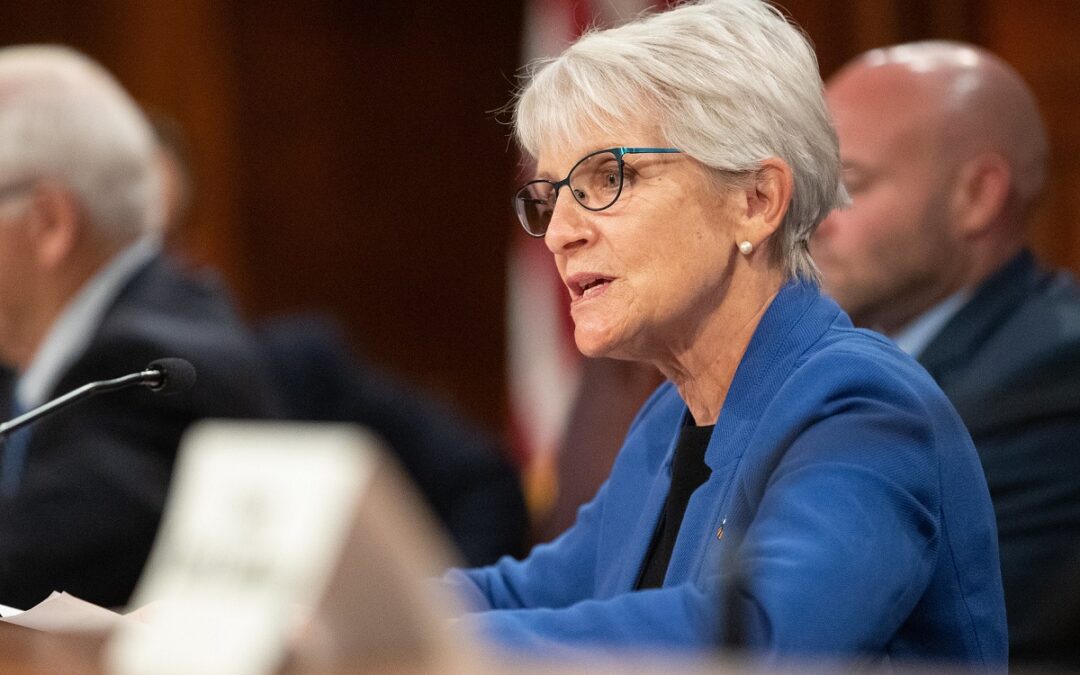
WEST CHESTER (September 29, 2021) – State Senator Carolyn Comitta issued the following statement in response to Tower Health’s plans to close Jennersville Hospital effective January 1, 2022:
“I am very concerned about the impacts of the planned closure of Jennersville Hospital, which provides vital care, including emergency care, to so many residents and families in southern Chester County and the surrounding region.
I am working with Chester County officials and others to bring together state, local, and federal partners to explore our options and identify resources to ensure the availability and accessibility of quality, affordable healthcare options for those currently served by Jennersville Hospital.
In addition, we are working to learn more about the career transition options available to Jennersville employees and providers. Tower Health has indicated that all Jennersville employees will have the opportunity to transition to other positions for which they are qualified within its organization or through priority consideration for open positions at Penn Medicine.
Please know that we continue to learn more about this evolving situation as it develops and that preserving access to convenient, affordable, and quality healthcare options for all residents and families, including those with acute and longer-term needs, is a top priority.”
###

September 28, 2021
WEST CHESTER (September 29, 2021) – In recognition of Childhood Cancer Awareness Month, state Senator Carolyn Comitta highlighted ongoing efforts to combat pediatric cancer and support life-saving research in Pennsylvania.
Earlier this year, as part of the budget process, the legislature enacted a tax credit program for qualifying donations to Pennsylvania pediatric cancer research hospitals. The measure, originally introduced by state Senator Scott Martin, was amended onto House Bill 1348 (Act 24 pf 2021), which Comitta supported. It creates a new funding stream for pediatric cancer research, in the amount of $10 million annually over the next decade, funded by the Tobacco Settlement Act.
“Although rare, cancer remains the leading cause of death by disease among children in the United States,” Comitta, who serves on the Senate Health and Human Services Committee, said. “We must work to direct more funding and resources to vital pediatric cancer research. Through this new tax credit program, we have the opportunity to contribute up to $100 million in total to combatting cancer with the development of life-saving treatments and therapies to benefit children and their families.”
In 2021, it is estimated that 15,590 children and adolescents ages 0 to 19 will be diagnosed with cancer and 1,780 will tragically succumb to the disease in the United States, according to the National Cancer Institute. Currently, the National Cancer Institute spends less than 4 percent of its research dollars on pediatric cancer.

September 27, 2021
WEST CHESTER (September 27, 2021) – $24 million in grant funding to address and prevent community violence is now available through the Pennsylvania Commission on Crime and Delinquency (PCCD), state Senator Carolyn Comitta said today.
The Violence Intervention and Prevention (VIP) program, a new state grant opportunity, supports effective local intervention and preventative measures to stop gun and group violence in regions that are experiencing high rates of violent crime.
“Safe communities are healthy communities. No child or family deserves to live on the frontlines of the epidemic of gun violence, but the reality is far too many face this threat every day in their very own neighborhoods and backyards,” said Senator Comitta, a member of the bicameral Pennsylvania Safe Caucus. “These funds will serve to assist our communities with the tools to increase quality trauma-informed support services, behavioral health care, intervention services, and much more to address high rates of violence.”
Community-based organizations, institutions of higher education, municipalities, district attorneys, and counties are eligible to apply. Awards are tiered toward the applicant’s size and service area and can range from $50,000 to $2,000,000 for project periods of up to two years.
The application period is now open through October 15, 2021.
“Gun violence tears our communities apart, and we have seen far too much of it across the commonwealth over the past year,” said Governor Tom Wolf. “Families and communities across Pennsylvania have experienced far too much loss. This funding will provide necessary resources for effective, community-led programs that work to stop gun violence and group violence. My administration is proud to work with our legislative partners and leadership at PCCD to make this funding available to end the cycle of violence and loss in our communities.”
State Senator Vincent Hughes, minority Chair of the Senate Appropriations Committee, said, “Our caucus fought side by side with the governor to ensure the budget includes a significant investment in community violence intervention programs. The opening of applications for this funding is the next step to getting these funds to our communities. I encourage those grassroots, neighborhood-based organizations, that work day-in and day-out on the front line of the gun violence pandemic plaguing communities, to submit an application for assistance so they can continue to provide these vital services in our communities.”
“We can no longer afford to ignore the very real human and economic costs of gun violence in the Commonwealth. As a legislator and a parent, I am committed to not only reducing these costs but to also creating a safer Pennsylvania for our children,” said state Representative Donna Bullock, Chairwoman of the Pennsylvania Legislative Black Caucus. “This grant is a significant investment in proven violence prevention programs led by trusted partners with boots on the ground.”
Since 2018, PCCD has invested nearly $6.1 million in state and federal funds to support local gun violence reduction efforts.
More information on PCCD grant opportunities and application resources can be found by visiting www.pccd.pa.gov.
September 23, 2021
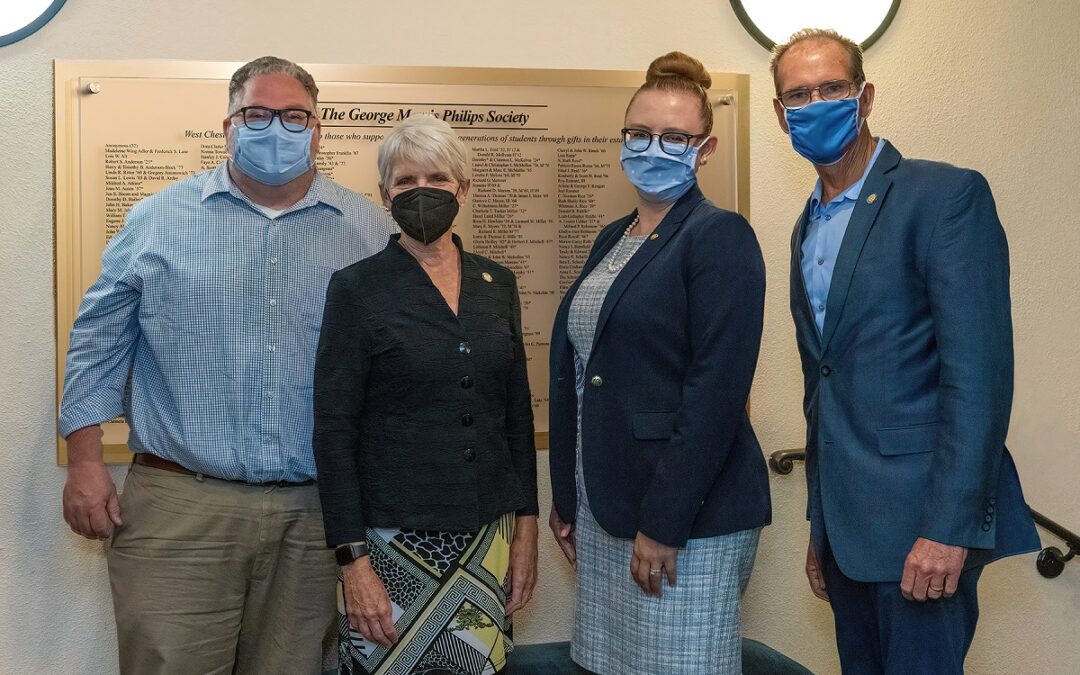
WEST CHESTER (September 23, 2021) – In recognition of Hunger Action Month, state Senator Carolyn Comitta recently brought together fellow lawmakers, university officials, student advocates, and representatives from anti-hunger organizations for a roundtable discussion on food and basic needs insecurity on college campuses.
<<Watch a Video of the Discussion>>
The discussion, hosted by West Chester University, focused on current legislation and ongoing efforts to address what has become a growing challenge for undergraduate and graduate students at institutions across the Commonwealth and the nation.
According to a 2019 survey conducted by the Hope Center for College, Community, and Justice, around one in three students attending four-year colleges in Philadelphia struggled to meet their basic needs. In addition, a 2020 Chegg survey found that nearly a third of student respondents reported experiencing food insecurity – lacking consistent access to nutritious, affordable food – since the beginning of the pandemic. And while the problem has only been exacerbated by the evolving pandemic, additional studies show that food insecurity among college students is associated with poorer academic performance and mental and physical health.
That’s why Comitta organized the discussion at WCU to heard directly from student leaders and officials who were experiencing and working to combat food and basic needs insecurity on campus.
“This is an issue that impacts students and it’s crucial that we hear directly from them about how it impacts their families, their academic careers, their lives, and their futures,” she said. “I want to thank WCU and its staff for their ongoing efforts to address student food and basic needs insecurity on campus. And we appreciate groups like Swipe Out Hunger, Challah for Hunger, Fuel Higher Ed PA, and the growing coalition of dozens of food banks, food pantries, student groups, religious institutions, and community organizations across Pennsylvania supporting the Hunger-Free Campuses Act.”
While students discussed the challenges they face in accessing nutritional food and other needs, legislators like state Rep. Jennifer O’Mara and state Rep. Malcolm Kenyatta reflected on their own experiences with food insecurity as college students.
“Hunger on college campuses is personal to me. I experienced first-hand the reality that tuition does not account for all the expenses that students are met with in seeking higher education. We can solve this problem, and it is critical that Pennsylvania leads on this issue,” Kenyatta said.
Comitta introduced the Hunger-Free College Campuses Act, Senate Bill 719, in the Pennsylvania Senate. The bill, which was also introduced in the House as House Bill 1363 by O’Mara and Kenyatta, calls for providing up to $1 million in grants to higher education institutions to help them tackle food insecurity. It would also direct further study on the issue of food insecurity at Pennsylvania colleges and universities, in order to inform the development of additional long-term solutions.
“Pennsylvania is one of the nation’s leading agricultural producers – and yet we have folks in our communities going hungry,” said state Senator John Kane, a co-sponsor of the bill. “I know what it’s like to survive on hot dogs and ramen, to worry about where your next meal is going to come from. We have college students across the Commonwealth going through that every day, while also trying to learn. That’s not okay with me. I’m proud of the work my colleagues and I are doing to make sure all of our campuses are hunger-free.”
To its credit, WCU has made available a Resource Pantry aimed at supporting student success by minimizing food and basic needs insecurity and preparing students for life after graduation. The Resource Pantry offers non-perishable food, fresh produce from campus gardens, personal care items, school supplies, and winter and career clothing. It is open to all undergraduate and graduate students regardless of need level.
Dr. Ashlie Delshad, a Professor of Political Science at WCU and a founder of the WCU Campus Community Garden, said food insecurity is prevalent on college campuses across the Commonwealth and across the country, and we need policies at the state and federal levels to systematically address it.
“As a college student, I experienced food insecurity firsthand. As a college professor at WCU for the past decade, I have also seen the barriers food insecurity creates for our students,” she said. “I have had the immense pleasure of working with university staff and students to help create programs and resources to alleviate some of these barriers, and there is more we can do as an institution. But the reality is one-quarter to one-third of WCU students experience food insecurity, and this problem is not unique to WCU.”
Following the roundtable discussion, Comitta and others visited and toured the community garden and Resource Pantry, which serves about 200 students a week.
Students also discussed the reality that tuition does not account for all the expenses they are met with in seeking higher education – an aspect that some tend to overlook until they face it firsthand.
In addition, a growing number of nontraditional college students – those who are financially independent, over the age of 25, parents, or full-time workers – are more likely to face financial challenges and food insecurity. The same is true for international students who, despite sometimes being perceived as financially better off than their domestic peers, face obstacles in accessing employment and tend to lack support systems.
Comitta noted that student hunger is not a partisan issue and deserves to be met with innovative and collaborative solutions, like the Hunger-Free Campuses Act.
Kenyatta called the bill “a bold step in the right direction.”
“And with $7.5 billion tucked away, there’s no excuse that we can’t afford to get it done,” he emphasized. “The only thing we can’t afford is to not act.”
###
September 15, 2021
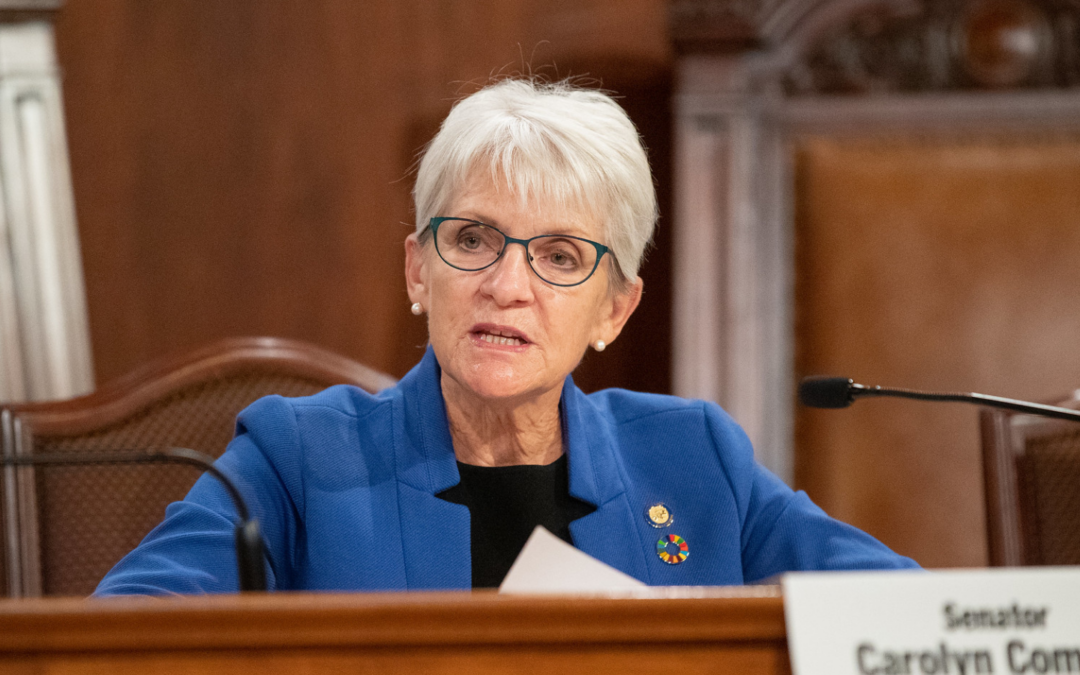
West Chester (September 15, 2021) — State Senator Carolyn Comitta today released the following statement regarding today’s Senate Intergovernmental Operations Committee party-line vote to issue a subpoena for detailed state election records:
“The Senate Republicans’ attack against the freedom to vote continues. Now, confidential voter data is in the crosshairs.
I saw this beginning on my first day in the state Senate, January 5, 2021, when they tried to prevent one of my fairly-elected colleagues from taking his seat on the Senate floor. Of course, then we all saw what happened on January 6 in our nation’s capital as a result of hateful rhetoric and an extensive campaign of lies and misinformation.
After continuing to push voter-suppression measures in the legislature, they’re now pursuing an illegitimate, partisan, anti-voter investigation paid for with your taxpayer dollars.
They want the names, dates of birth, driver’s license numbers, and Social Security information of all registered voters without the consent of the individuals and without explaining who will have access to this personal information and what they plan to do with it.
I stand strong with my Senate Democratic colleagues and support legal action against this gross abuse of power. A lawsuit is being filed in the courts to declare Senate Republican actions in violation of the separation of powers.
The forthcoming lawsuit will ask the courts to confirm that the Senate is not the place to conduct an untimely election contest or to undertake an audit that will force election officials to violate federal law and invade the privacy of each and every Pennsylvania voter. The Senate does not have the authority to perform either of those functions.
This is a dangerous game.
The freedom to vote is sacred.
I have always and will always fight fiercely and tirelessly to protect and preserve the freedom to vote.”
September 10, 2021
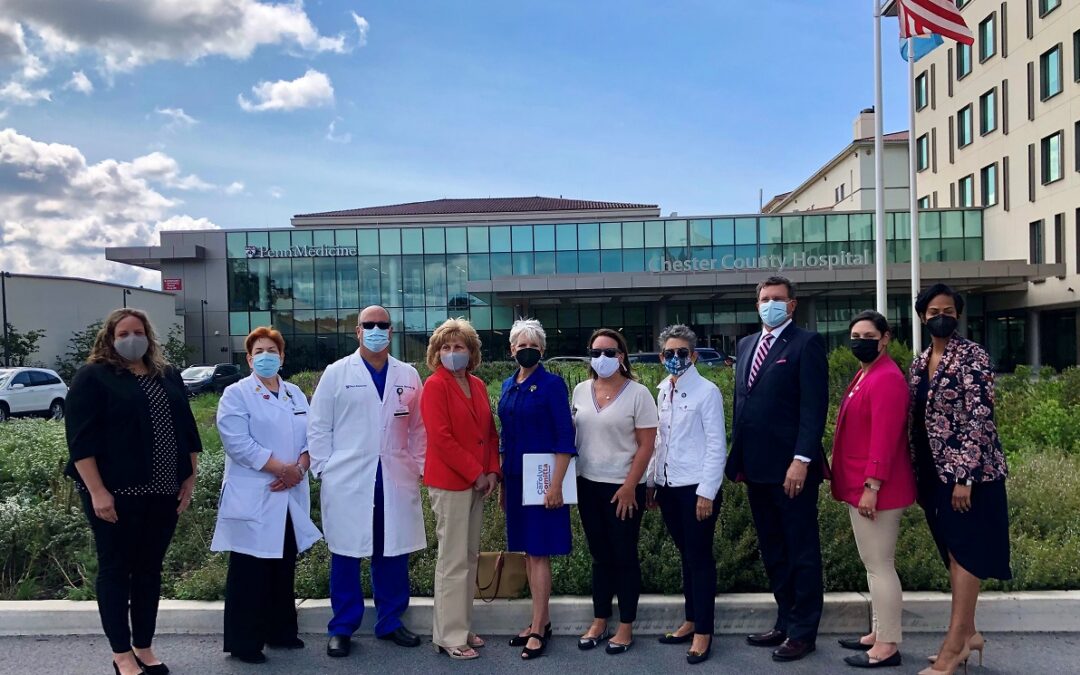
WEST CHESTER (September 10, 2021) – State Senator Carolyn Comitta was joined today at Chester County Hospital by Acting Secretary of the Pennsylvania Department of Human Services Meg Snead, leaders of the Pennsylvania Women’s Health Caucus, and doctors and medical professionals to discuss the importance of the Commonwealth’s plans to extend Medicaid coverage to one year postpartum for all Pennsylvanians.
<<Watch a Video of the Press Conference>>
Under the American Rescue Plan Act, states can expand the Medicaid postpartum coverage period for mothers up to one year following the birth of a baby. Currently, coverage is available for only 60 days.
The extended coverage would go into effect on April 1, 2022.
Senator Comitta, a member of the Women’s Health Caucus, the Pennsylvania Commission for Women, and the Senate Health and Human Services Committee, highlighted the expansion as an opportunity to make a multi-generational impact on the future of postpartum individuals, families, babies, and young people.
“By Pennsylvania taking the step to opt-in to expand Medicaid coverage, we are placing the health and wellbeing of families and children first. This is a significant opportunity to save lives, improve access to quality care, and set new families up for success,” said Comitta. “The first year postpartum is not only a vital period of development for babies, but it’s also a significant time for parents recovering from childbirth and adjusting to new roles and challenges.”
The Pennsylvania Department of Human Services recently announced its intention to implement the extension, a historic investment in the health and well-being of future generations.
“We live in a country that espouses the value of life and opportunity for all people, but we cannot truly value life with a growing maternal mortality rate. We must do better,” said Snead. “The extension of Medicaid coverage to a year following the birth of a baby will help ensure new moms and other parenting people are supported on all levels as they navigate parenthood. We cannot leave mothers alone during such a vulnerable and foundational time for their child’s and their own futures, and this will help give the support they deserve.”
Leaders of the Pennsylvania Women’s Health Caucus in attendance also emphasized the importance of raising awareness and support for the expansion. The bipartisan, bicameral caucus of legislators is leading a statewide #OptInPA campaign aimed to bring awareness to the advantages extended coverage will provide via quality and lifesaving maternal and postpartum services.
“We all want Pennsylvania to be a place where moms and babies thrive. However, right now far too many people across the commonwealth are impacted by postpartum morbidity and mortality. These problems won’t go away unless we take serious steps toward addressing the inequities in our health care system. Postpartum morbidity and mortality are especially prevalent among individuals whose primary source of payment is Medicaid. Pennsylvania’s decision to extend postpartum Medicaid coverage from 60 days to 12 months is not only the morally right thing to do, it will ultimately save lives,” said state Senator Judy Schwank, Co-Chairwoman of the Women’s Health Caucus.
State Senator Amanda M. Cappelletti, Co-Chairwoman of the Women’s Health Caucus, stated, “We must permanently opt-in to expanding Medicaid for postpartum people. This is an evidence-based policy that will save the lives of infants, new parents, and make things easier during an already challenging time. I am glad to be working with strong advocates and allies in fighting for this expansion, as there is real support for this policy moving forward.”
State Representative Mary Jo Daley, Co-Chairwoman of the Women’s Health Caucus, said, “Access to quality healthcare is essential, and throughout the pandemic we have seen maternal mortality rates skyrocket across the country, especially in minority communities. Opting-in is a historical investment in the birthing people, families, and children of our Commonwealth.”
“Birthing people in Pennsylvania are in dire need of access to care to improve maternal and child health outcomes, and this extension is an important step in the right direction,” said State Representative Morgan Cephas, Co-Chairwoman of the Women’s Health Caucus. “I am grateful that the department recognizes the role they play in quelling this crisis and has been intentional in taking action towards solutions. The Wolf Administration in conjunction with the Women’s Health Caucus, medical professionals and activists, together we can implement the necessary measures for life-saving transformational change for all Pennsylvania families.”
Chester County Hospital leaders and health professionals in attendance affirmed that expanded coverage under Medicaid would allow for greater and longer quality healthcare for new mothers and babies. Coverage would be expanded to provide medical care such as screening and treatment for postpartum depression, breastfeeding support, preventative care, substance use disorder treatment, and access to family planning services for a full year postpartum.
Michael Duncan, President and CEO, Chester County Hospital said, “Many of us know the difficulties mothers can face, especially new moms. When given the choice between caring for themselves or caring for their child, the latter will always prevail. Having access to Medical Assistance for 12 months postpartum gives many women in our community the opportunity to not have to choose between the two. This proposed extension could improve health outcomes and increase equity in health care access, which is in line with Chester County Hospital’s mission and values.”
“Prenatal care does not end at delivery, it continues beyond the hospital stay,” said Eduardo Mercurio, MD, FACOG, Co-Chair, Department of OB/GYN, Chester County Hospital. “Our patients from low- or lower- income communities, especially black communities, are disproportionately affected by the lack of access to adequate health care. Extending this aid beyond 60 days is vital for many of our patients and will surely have a positive impact on their overall health.”
Frances Doyle, MSN, RN, CNML, Director, Maternal Child Services, Chester County Hospital added, “The fourth trimester is important to a woman’s lifelong health. There is significant current research that focuses on the importance of continuing care for a new mother and the proposed program would provide significant assistance to enable many disadvantaged women to access the resources and treatment needed for optimal outcomes.”
According to a report of 2018 data, the United States has the highest rate of maternal mortality among 10 similar nations. Maternal mortality data for 2019 released earlier this year shows that the trend is growing – up to 20.1 deaths per 100,000 live births from 17.4 per 100,000 in 2018, and maternal mortality is significantly more common among Black women as compared to White and Latinx women.
More information on DHS’ health equity and health innovation work, the postpartum Medicaid expansion, and maternal-child health programs available across Pennsylvania is available online.
To learn more and apply for Medical Assistance and other assistance programs in Pennsylvania, visit www.compass.state.pa.us.