October 21, 2024
West Chester, Pa (October 21, 2024) – The U.S. Environmental Protection Agency (EPA) joined leaders from Aqua Pennsylvania, state Senator Carolyn Comitta, and federal, state, and local officials to discuss the importance of taking action against lead, specifically with regards to identifying and removing lead and galvanized service lines, protecting public health, and the federal investments expediating these efforts.
Officials gathered today in West Chester, Pennsylvania to celebrate over $4 million being invested by Aqua throughout parts of Chester County. The loan, administered by PENNVEST, is from the Drinking Water State Revolving Fund which has received substantial funding under the Bipartisan Infrastructure Law. As part of the celebration, officials were able to see first-hand the removal and replacement of a residential lead service line.
“The Biden-Harris Administration believes that any risk from lead in drinking water is unacceptable, which is why we are taking a whole-of-government approach to get the lead out of our communities,” said Adam Ortiz, EPA’s Mid-Atlantic Regional Administrator. “With each dollar invested, each home surveyed, and each pipe replaced, we’re one step closer to removing all lead pipes within the next ten years.”
“We’re proud to be at the forefront of this game-changing project for our customers and we remain committed to using our expertise to get the Lead out across Pennsylvania,” said Aqua Pennsylvania President Marc Lucca. “This important work proves we’re always ready and willing to take the extra step to protect our customers. I’d like to thank PENNVEST for its partnership on this project and so many others.”
Despite their installation being banned nearly 40 years ago, there are still an estimated 9.2 million legacy lead service lines delivering water in cities and towns across the country, many of which are in low-income neighborhoods and communities of color. The Bipartisan Infrastructure Law is delivering $15 billion across the country to remove these lead pipes, in line with President Biden’s goal of removing 100% of lead service lines.
“Over the past four years, PENNVEST has funded 71 projects that will, when complete, remove nearly 29,000 lead lines and lead components from water systems throughout the Commonwealth”, said Rebecca Hayden, PENNVEST Project Manager for the Eastern tier or Pennsylvania. “With significant federal funding – $268 million – and active public and private partners ready to do the work, PENNVEST is honored to play a role in keeping our communities and environment safe.”
Earlier this month, the EPA issued Lead and Copper Rule Improvements which establishes achievable, common-sense practices to identify and replace lead pipes within ten years. The public health and economic benefits of the final rule are estimated to be up to 13 times greater than the costs, and together with new funding, water systems will be able to accelerate removal of lead pipes and create good-paying local jobs in the process.
“Watching the removal of lead pipes in front of a West Chester resident’s home today was so gratifying, and I commend the EPA team that made this project happen,” said Representative Chrissy Houlahan (PA-06). “We got to see the federal government in action through the funding of these pipe replacements, the Commonwealth in action through the designation of funds, and AQUA and its partners in action removing lead pipes and replacing them with copper pipes delivering safe and clean water.”
“I want to thank the EPA, the Biden-Harris administration, Rep. Houlahan, PennVEST, and Aqua Pennsylvania for providing the resources, making the commitment, and forging the partnerships to remove lead service lines and ensure our drinking water is safe and clean. This is an investment in our economy and the health of our communities for our families, children, and grandchildren,” said state Senator Carolyn Comitta, Minority Chair of the Pennsylvania Senate Environmental Resources and Energy Committee.
In addition to significant investments from the Bipartisan Infrastructure Law, EPA also has several programs and initiatives to further progress to identify, remove, and replace lead service lines such as the Lead Service Line Replacement Accelerators and Get The Lead Out programs both of which the Pennsylvania Department of Environmental Protection is a partner.
October 18, 2024
West Chester, Pa (October 17, 2024) – Thirteen Chester County nonprofit organizations that serve diverse communities were awarded state funding to combat hate crimes by enhancing the safety and security of their facilities, state Senator Carolyn Comitta announced.
The funds, approved by the Pennsylvania Commission on Crime and Delinquency (PCCD) today, are as follows:
- Beth Israel Congregation of Chester County $15,000
- Chabad Lubavitch $24,000
- Congregation B’nai Jacob $17,000
- Cornerstone Christian Fellowship $16,000
- Domestic Violence Center of Chester County $70,000
- Grace Assembly of God $7,000
- Islamic Society of Chester County $150,000
- Kesher Israel Congregation $49,875
- Masjid Al Rahman of Chester Country, Inc $25,000
- Mount Carmel Church of God in Christ $25,000
- Saint Patrick Roman Catholic Church $50,000
- South Eastern Pennsylvania Sikh Gurdwara $25,000
- Elizabeth Roman Catholic Church $150,000
The funding for Chester County organizations, more than $620,000 in total, comes as part of $10 million awarded statewide to 208 nonprofit organizations across 31 Pennsylvania counties through the Pennsylvania Nonprofit Security Grant Fund Program.
Established by the legislature in Act 83 of 2019, the Pennsylvania Nonprofit Security Grant Fund Program provides grants to nonprofit organizations that principally serve individuals, groups, or institutions that often face bias and hate crimes. Eligible grant projects include a variety of measures to enhance security ranging from equipment and technology upgrades to planning, threat awareness, and response training.
Comitta, then a state representative, voted for the legislation (House Bill 859) that created the Pennsylvania Nonprofit Security Grant Fund Program. This year, as a state Senator, she supported doubling the program’s investment from $5 million to $10 million in the state budget.
“Hate, bigotry, and threats of violence and intimidation will not be tolerated in Chester County or in any place for that matter. I hope these investments help give faith communities added peace of mind that we all have the right to worship freely, safely, and without fear,” Comitta said. “And I am pleased that we expanded Nonprofit Security Grant Fund Program to protect families and safeguard religious freedom in more communities across the Commonwealth.”
“All Pennsylvanians deserve to worship peacefully, no matter what you look like, where you come from, or who you pray or do not pray to,” said Governor Shapiro. “That’s why, in our latest budget, we doubled the Commonwealth’s investment in the nonprofit security grant fund to help places like mosques, churches, and synagogues equip themselves with security measures. Under Lieutenant Governor Davis’ leadership at PCCD, we’re working together to drive out this funding to our communities and ensure that every Pennsylvanian has the real freedom that comes when you can walk down the street in your community without worrying about violence.”
“The Shapiro-Davis Administration is committed to fostering a sense of safety and belonging for everyone, ensuring that no matter who you are, where you come from, or what you believe in, you can access services without the fear of hate or violence,” said Lt. Governor Austin Davis, chair of PCCD. “Thanks to the additional $5 million our Administration secured in this year’s budget, 102 entities, out of the 208 awarded, who have never received this funding before will be able to strengthen security at their facilities, ensuring those they serve feel safer while accessing services.”
The Pennsylvania Nonprofit Security Grant Fund Program, now in its fifth year, was established in response to the 2018 attack on the Jewish community at the Tree of Life, New Light, and Dor Hadash congregations in Pittsburgh.
Since its inception, the program has provided $25 million in funding to more than 580 organizations. Based on reported data of the number of people who visit these facilities, it is estimated that approximately four million people across the Commonwealth have been impacted by this funding to date.
PCCD selects awardees in consultation with the Governor’s Office of Homeland Security and the Pennsylvania State Police. Eligible applicants are included within a bias motivation category for single bias hate crime incidents as identified by the FBI’s Hate Crime Statistics publication. The categories include race/ethnicity/ancestry, religion, sexual orientation, disability, gender, and gender identity.
###
October 11, 2024
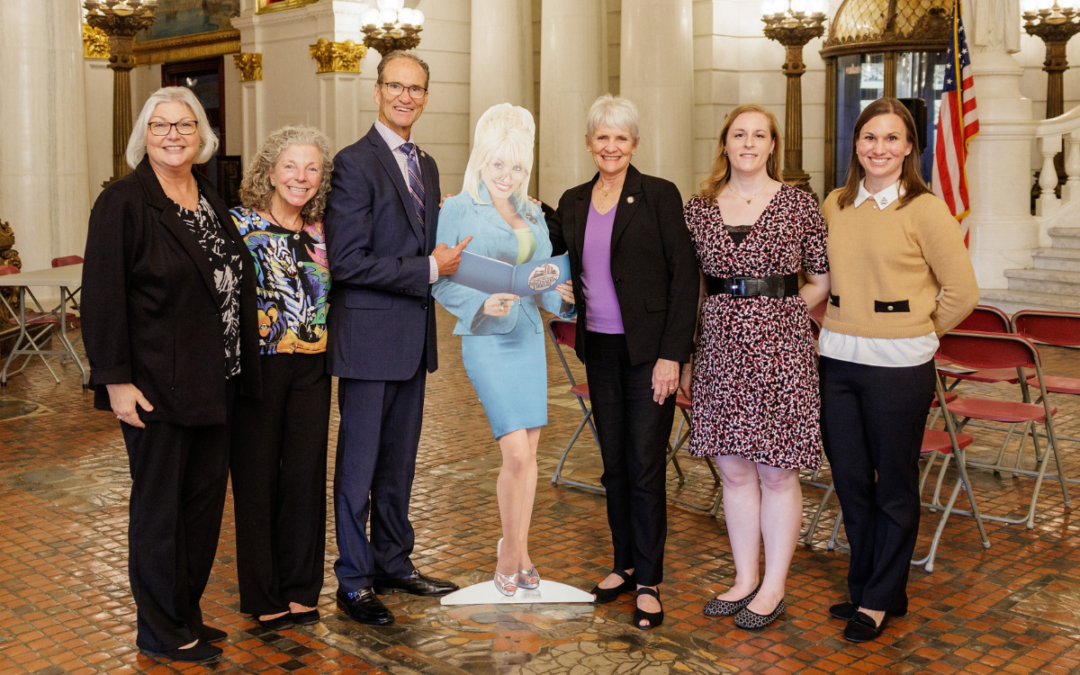
West Chester, Pa (October 11, 2024) –To help foster a love of reading in children, state Senators Carolyn Comitta and John Kane secured new funding for Arts Holding Hands and Hearts (AHHAH) to administer Dolly Parton’s Imagination Library in Chester County.
The program sends one age-appropriate book each month to children in Chester County from birth through age five, at no cost to families.
“Reading at an early age is important for developing language skills, fostering creativity, and supporting cognitive development. Having books at home helps engage parents and families in a child’s learning and literacy,” said Comitta, a former public school educator and member of the Senate Education Committee. “I’m thrilled to help secure this funding to support the good work of AHHAH in promoting reading readiness and ensuring the long-term success of children in our community.”
“Books are the keys that unlock a child’s imagination,” said Senator Kane. “With this grant to Arts Holding Hands and Hearts, we’re not just putting books in kids’ hands – we’re giving them the power to explore new worlds, dream big, and write their own stories. AHHAH and the Imagination Library are turning the page on literacy and advancing the incredible narrative in our Chester County communities. I’m proud to support AHHAH and thrilled to see these books in our kids’ hands, knowing their potential will soar!”
AHHAH serves Chester County children with a mission to build equity and justice by empowering youth, strengthening families, and mobilizing communities through arts, literacy, and mindfulness.
“Arts Holding Hands and Hearts (AHHAH) is grateful to Senator Comitta and Senator Kane for their support of the Chester County Imagination Library and for initiating the PA Statewide Expansion of the Dolly Parton Imagination Library, said Jan Michener, executive director of AHHAH. “To date, over 9,100 children under age 5 in Chester County are receiving a brand new, age-appropriate book every month in the mail.”
Earlier this year, Comitta, Kane, and state Senator Maria Collett introduced legislation to expand the Imagination Library program throughout Pennsylvania.
Currently, more than 53,000 Pennsylvania children are enrolled in the Imagination Library across 44 counties. However, there are approximately 700,000 eligible children in the Commonwealth.
For more information on Arts Holding Hands and Hearts Inc., the Imagination Library, and enrollment information go to: www.ahhah.org
October 10, 2024
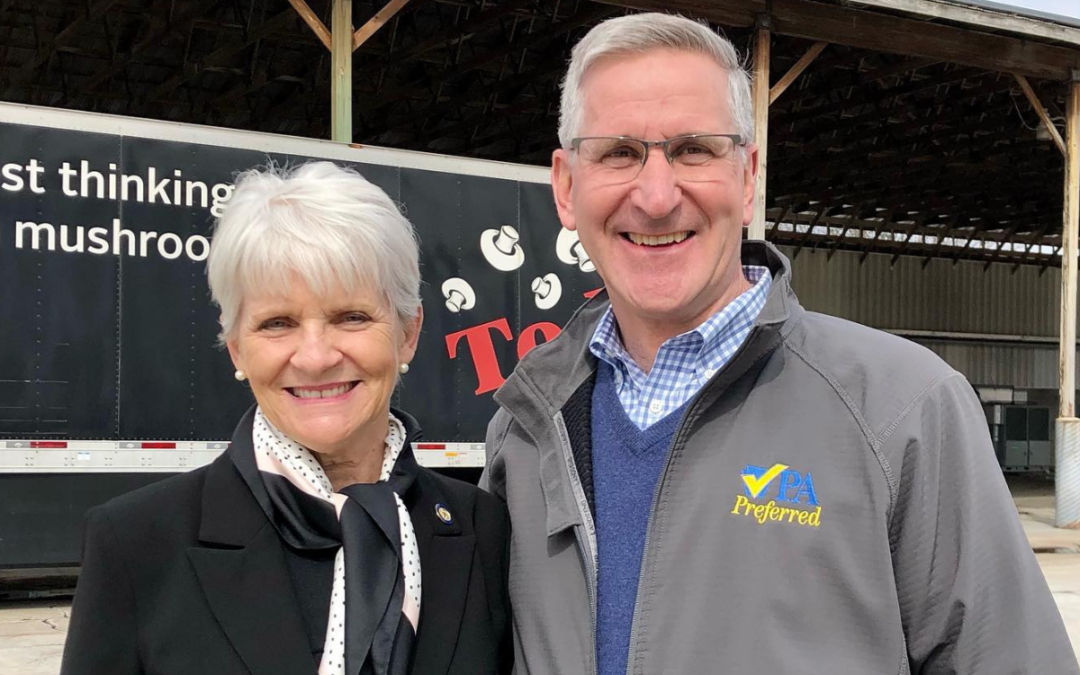
West Chester, Pa (October 10, 2024) – Students in the Great Valley School District will have access to more fresh, locally-grown food thanks to state funding awarded through the Pennsylvania Farm Bill, state Senators Carolyn Comitta and Katie Muth announced.
The Great Valley School District was recently awarded $15,000 in state funding through the Pennsylvania Department of Agriculture’s Farm-to-School Grant Program to purchase local, seasonal produce, yogurt, beef, and other products from Pequea Valley Farm, Frecon Farms, Happy Valley Meat, and other farms. The items will be served in school cafeterias along with information on where food was sourced.
“Offering fresh, locally grown food items in our schools not only gives students more nutritious options, but also hopefully sets them on the lifelong path to making healthier eating choices and supporting local farms and community agriculture,” said Comitta, who serves on the both the Senate Agriculture and Rural Affairs and Senate Education Committees.
“Farm-to-School Grants are such an important investment not only to support our local farms, but to ensure that all students are eating quality, locally sourced food,” Muth said. “This grant is great news for Great Valley School District and I am hopeful that more of our regional schools can benefit from this program moving forward.”
“Farm-to-School grants are an investment not just in feeding hungry minds, but feeding our future,” Pennsylvania Agriculture Secretary Russell Redding said. “Introducing children to fresh, local food can change their diets and open their eyes to career possibilities when they learn how food is produced and who produces it. The Shapiro Administration is making critical investments to feed the future of our communities and expand opportunities for children to succeed and Pennsylvania farms to prosper.”
The funds for Great Valley come as part of more than $462,000 in total Farm-to-School Grant Program funding awarded to 45 schools, school districts, and childhood education centers in 26 counties.
Grants of up to $15,000 are available to fund projects aimed at improving access to healthy, local food and increasing hands-on learning for children in pre-kindergarten through eighth grade.
Farm-to-School projects connect local farmers to schools to supply fresh, in-season products to be served in cafeterias, expanding market opportunities for farmers. Other projects support school gardens, field trips, and other hands-on agriculture education, enriching early career awareness.
Pennsylvania remains the only state in the nation with its own Farm Bill. This year marked the fifth anniversary of the landmark investment in Pennsylvania agriculture – an industry that supports 593,000 jobs and contributes $132.5 billion to our economy annually.
###

October 8, 2024
West Chester, Pa (October 8, 2024) – The Housing Partnership of Chester County (HPCC) will be able to help more seniors stay in their homes thanks to funding secured by state Senator Carolyn Comitta.
Comitta recently secured $50,000 in state grant funding for HPCC’s Senior Citizen Home Maintenance Program, which provides basic home maintenance, repairs, and access modifications for low-to-moderate income seniors.
The funding will help HPCC address a significant backlog of seniors in need of immediate home repairs and modifications to address safety concerns.
“In Chester County and across Pennsylvania, our senior citizen population is growing. And as more and more of our friends, neighbors, and loved ones move into their golden years, it’s important that they have the opportunity to stay in their own homes safely,” Comitta, who serves on the Senate Aging and Youth Committee said. “I want to thank the Housing Partnership of Chester County for supporting this program, as well as the agencies, nonprofit organizations, volunteers, and senior centers that that assist our older residents.”
“Making safety repairs or mobility modifications can be daunting for many seniors. HPCC steps in to make the process easier by working with the construction team, managing progress, and answering questions along the way. HPCC clients can stay in their home safely without the financial stress and logistical burden of big repair or modification projects,” said Ken Hutton, HPCC Executive Director. “This grant provides critical capital to complete these projects so that our older adult clients can safely age in place.”
Administered by the HPCC on behalf of the Chester County Department of Community Development, the program serves eligible Chester County residents aged 65 and older who cannot afford necessary home repairs and modifications that are critical to them being able to stay in their homes. There is a $6,000 limit on work performed for each residence, which may include any type of home maintenance and repairs including, but not limited to, roof repair, heater installation, windows, decks, bathrooms, siding, etc.
Seniors who are interested in the program should contact Rob Malone, HPCC Director of Programs, at (610) 518-1522 x104 or rob@housingpartnershipcc.com.
Pennsylvania is home to one the highest populations of senior citizens in the nation. One in four residents are senior citizens and that is projected to grow to one in three Pennsylvanians by 2030.
According to Census data, senior citizens currently make up about 18 percent of Chester County’s population (up from approximately 13 percent in 2010).
Senator Comitta has consistently supported investments and policies aimed at helping seniors stay in their homes, including significantly expanding the Property Tax and Rent Rebate Program, funding the Whole Home Repairs Program, and enacting “Aging Our Way,” the Pennsylvania Department of Aging’s 10-Year Master Plan for Older Adults.
###
October 4, 2024
Coatesville, Pa (October 4, 2024) – The Coatesville Youth and Women’s Alliance (CYWA) will soon have a new vehicle to transport clients, thanks to $50,000 in state grant funding secured by state Senator Carolyn Comitta.
The nonprofit organization, dedicated to serving pregnant women and children in the Coatesville area, plans to use the vehicle to transport clients to medical appointments and mothers to visit newborn children in neonatal intensive care.
“The CYWA is community asset and a vital safety net for so many people in need, especially our youngest and most vulnerable residents,” Comitta said. “I hope this new vehicle helps further bridge the gap to health and wellness services that impacts too many women and families in the Coatesville community.”
By purchasing its own vehicle, CYWA can cut costs related to ridesharing and transportation and reallocate those funds to support its programs.
CYWA offers four programs to help better the mental, social, and physical well-being of Coatesville area residents:
- Samara House, a residential drug and alcohol treatment program specifically for women and children.
- The Family Center, providing home visitation and case management services.
- The Gateway Shelter, for women and children experiencing homelessness and seeking affordable housing options.
- The Food Program, which provides everything from fresh produce, baked goods, meat, and non-perishable items to people in need.
For more on the Coatesville Youth and Women’s Alliance, visit their website at https://cywa.org

September 26, 2024
West Chester, Pa (September 26, 2024) – Small businesses that are looking to improve energy efficiency, reduce their waste, and cut costs can apply now for grant funding through the Pennsylvania Department of Environmental Protection (DEP), state Senator Carolyn Comitta announced.
The Small Business Advantage Grant Program provides reimbursement grants ranging from 50-80 percent of eligible project costs to Pennsylvania small businesses to upgrade or replace equipment or supplies, improve processes, or reduce runoff into affected waterways.
“Small businesses are the backbone of our economy, making up 99.6 percent of businesses in Pennsylvania and this grant program can help them make improvements that benefit both our environment and their bottom lines,” said Comitta, who serves as minority chair of the Senate Environmental Resources and Energy Committee. “I encourage our small businesses to take advantage of this program as it can help offset the upfront costs of important upgrades that have economic benefits while leading us to a more sustainable future.”
Lighting, HVAC, boiler, and digital x-ray upgrades are the most common project types funded by the Small Business Advantage Grant, but a wide variety of projects are eligible for funding.
Maximum grant awards vary from $7,500 up to $12,000 based on the environmental impact of the project and whether the project is located within an environmental justice area.
Approximately $1 million in total grants funding is available on a first-come, first-served basis.
For grant program guidelines and application details, please visit the Pennsylvania Department of Environmental Protection’s website.
###

September 24, 2024
West Chester, PA (September 24, 2024) – Seven Chester County historic organizations have been awarded more than $100,000 in total state funding through the Pennsylvania Historical and Museum Commission (PHMC), state Senator Carolyn Comitta said.
The grants, which come through the PHMC’s Cultural and Historical Support Grant Program, support the general operations of eligible museums and official county historical societies. They are as follows:
- $10,000 for the American Helicopter Museum & Education Center.
- $28,400 for the Chester County History Center.
- $13,100 for the Graystone Society, Inc.
- $7,500 for the Historic Sugartown, Inc.
- $27,000 for the Historic Yellow Springs.
- $4,000 for the Oxford Area Historical Association.
- $14,000 for the Wharton Esherick Museum.
“Our region is home to a rich history – one that predates the founding of our nation. It is alive in our local landmarks, historical places, cultural artifacts, and stories. It’s part of who we are. These funds will ensure that our history is explored, interpreted, shared, and understood by future generations,” Comitta said. “We thank the PHMC for this support and appreciate all of our local historians, historical groups, supporters, and volunteers for their ongoing work to preserve the past while looking to the future.”
The grant funding comes as part of almost $4 million in total Cultural and Historical Support Grants awarded to 173 eligible museums and official county historical societies from 59 counties across the Commonwealth. According to PHMC, this is an increase over previous years by $2 million to better benefit Pennsylvania’s historical resources.
Under the program, eligible museums must have an annual operating budget exceeding $100,000 (excluding capital and in-kind services), at least one full-time professional staff person (or approved equivalent), and not be supported by other state agency funding programs.
Grants are awarded using a formula based on a percentage of the organization’s annual operating budget with a maximum grant of $62,000 and a minimum grant of $4,000
###
September 23, 2024
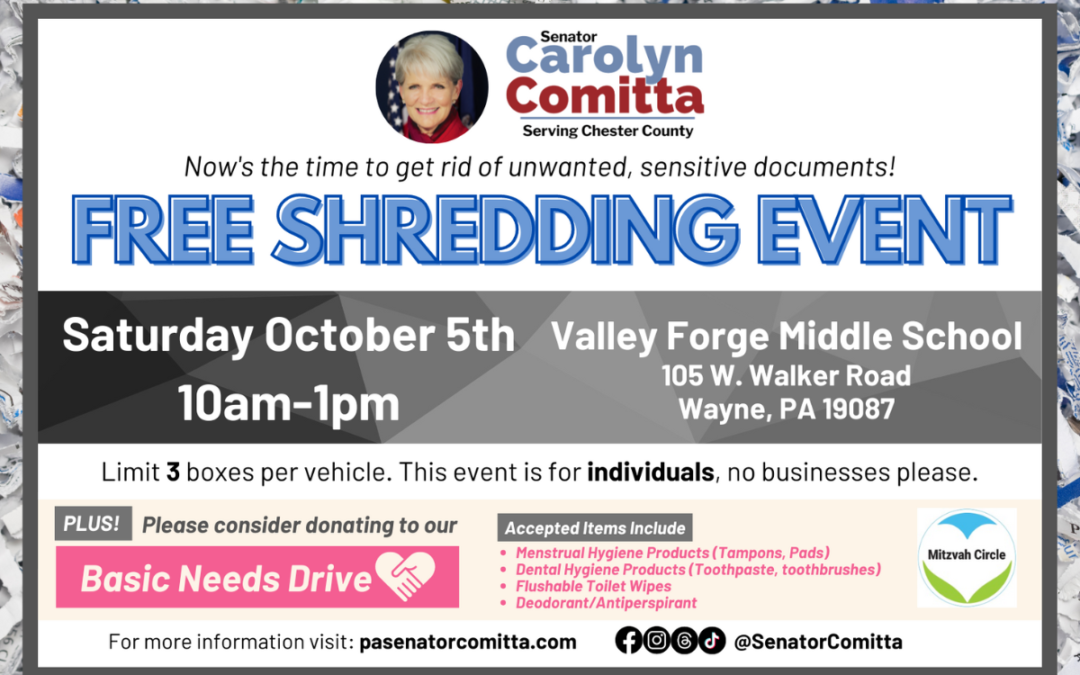
West Chester, Pa (September 24, 2024) – To help safely and securely dispose of documents containing sensitive information, state Senator Carolyn Comitta is holding a free community shredding event at Valley Forge Middle School on Saturday October 5 from 10 a.m. to 1 p.m.
“If you are doing some fall cleaning around the house and come across sensitive documents that you no longer need, now’s the time to properly dispose of them,” Comitta said. “This is a great way to help prevent identity theft and fraud. I encourage you to take advantage of this opportunity and please arrive on time because we have limited capacity and our shredding events are often well attended.”
The event is free and open to the public. However, please note the following:
- This event is for individuals only, not businesses.
- It is first come, first served, and will end at 1 p.m. or until the trucks are full.
- There is a three (3) box limit per car for shredding.
- Only paper will be accepted for shredding. Please do not bring binders, binder clips, or books.
Some examples of unneeded documents that should be shredded include: credit card statements and applications, bank records, canceled checks, income tax forms, insurance records, medical and retirement or pension fund information, and any documents that contain personal information like Social Security, credit card, or bank account numbers.
Please note: electronic materials and e-waste will not be collected at this event.
In addition, at the event, participants are invited to bring donations of basic needs products such as menstrual hygiene products, toothbrushes and toothpaste, flushable wipes, and deodorant for the nonprofit organization Mitzvah Circle.
While donations are welcomed and encouraged, they are not required to access the free shredding services.
Valley Forge Middle School is located at 105 W. Walker Road in Wayne.
For more information contact Senator Comitta’s district office at (610) 692-2112.
###
September 20, 2024
West Chester, PA (September 20, 2024) – State Senator Carolyn Comitta is reminding colleges and universities that they have only a few days left to apply for funding through the Hunger-Free Campus Grant Program.
The program, now in its third year, provides grants to colleges that set up and expand free food pantries on campus and take other steps to meet students’ nutritional needs.
Eligible postsecondary institutions with the PA Hunger-Free Campus or PA Hunger-Free Campus+ designation have until September 23, 2024, at 11:59 p.m. to apply for funding through the Pennsylvania Department of Education’s eGrants system
Additionally, Pennsylvania schools working to address food insecurity that have yet to receive PA Hunger-Free Campus designation are encouraged to apply for designation by September 30, 2024.
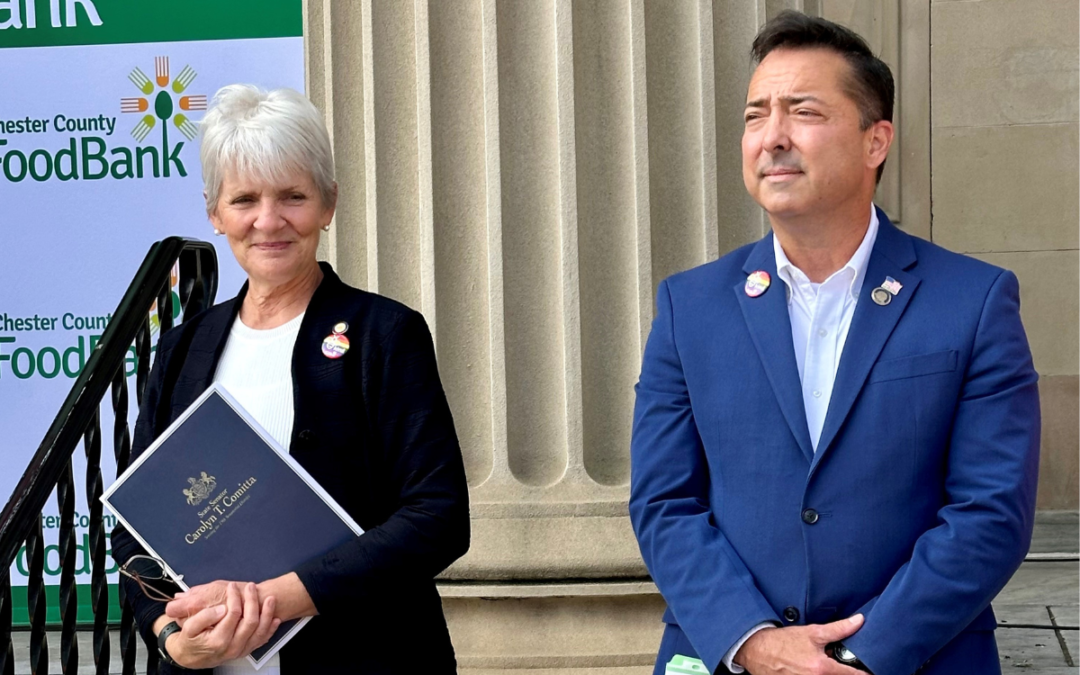
This week, at the Chester County Food Bank’s inaugural Rally Against Hunger, Comitta discussed the importance of addressing hunger on college campuses.
“No student should have to go hungry to access the dream of higher education. When one-third of college students report missing meals due to food insecurity, that’s a problem,” Comitta, who serves on the Senate Education Committee said. “We’ve made great progress in addressing hunger in Pennsylvania public schools with universal free breakfast. Now, we’re working to address food and basic needs insecurity on campus.”
The rally, organized as part of Hunger Action Month, took place on the steps of the historic Chester County Courthouse. It also included remarks from state Rep. Chris Pielli, the Chester County Commissioners, Chester County Food Bank CEO Andrea Youndt, and others.
Comitta, a former public school teacher and West Chester University (WCU) alumna, also praised the campus community for their efforts to connect with food bank partners, like the West Chester Food Cupboard.
“We all deserve to know where our next meal is coming from. Hunger is a solvable problem and that is most apparent when we come together and work together to ensure that everyone has the food and resources they need to thrive,” she said in thanking food bank volunteers and advocates.
Last year, WCU was awarded more than $54,000 in state grant funding through the PA Hunger-Free Campus Grant Program.
This year, eligible colleges and universities may apply for competitive funding in an amount up to:
- $20,000 for institutions with 3,000 or fewer learners;
- $40,000 for institutions with 3,001 to 7,000 learners; and
- $60,000 for institutions with 7,001 learners or more.
According to the U.S. Department of Education, nearly 23% of undergraduate students in the United States experience food insecurity. The rate of undergraduate students experiencing food insecurity is more than double the rate among all U.S. households.
To help combat this growing problem, Comitta introduced legislation creating a permanent Hunger-Free Campus Grant Program to assist colleges in establishing and maintaining food pantries and other resources to combat basic needs insecurity.
In 2022, a budget initiative based on Comitta’s legislation created the Pennsylvania Hunger-Free Campus Initiative and has since allocated $3 million to Pennsylvania colleges to address food insecurity on their campuses.
For more information on the Pennsylvania Hunger-Free Campus Initiative please visit the Pennsylvania Department of Education’s website.
September 16, 2024
West Chester, PA (September 16, 2024) – West Chester Borough was awarded important grant funding to purchase new body cameras for its police officers, state Senator Carolyn Comitta and state Rep. Chris Pielli announced.
The $250,000 grant, supported by federal funding through the Pennsylvania Local Law Enforcement Support Grant Program, was approved this week by the Pennsylvania Commission on Crime and Delinquency.
“Body cameras are an important tool in instilling trust in law enforcement, promoting openness, accountability, and transparency, and gathering evidence from an objective viewpoint,” said Comitta, who previously served as Mayor of West Chester Borough. “Our police and emergency first responders deserve the latest technology to protect our communities and themselves. Investing in upgraded body cameras for our police is an investment in public safety.”
“I am extremely happy to have worked with Senator Comitta to bring about this much-needed grant for our police and first responders. These state-of-the art body cameras will help support West Chester Police Department’s dedicated mission of protecting and serving the citizens of our community with their continued high level of professionalism, transparency, and accountability,” Pielli said.
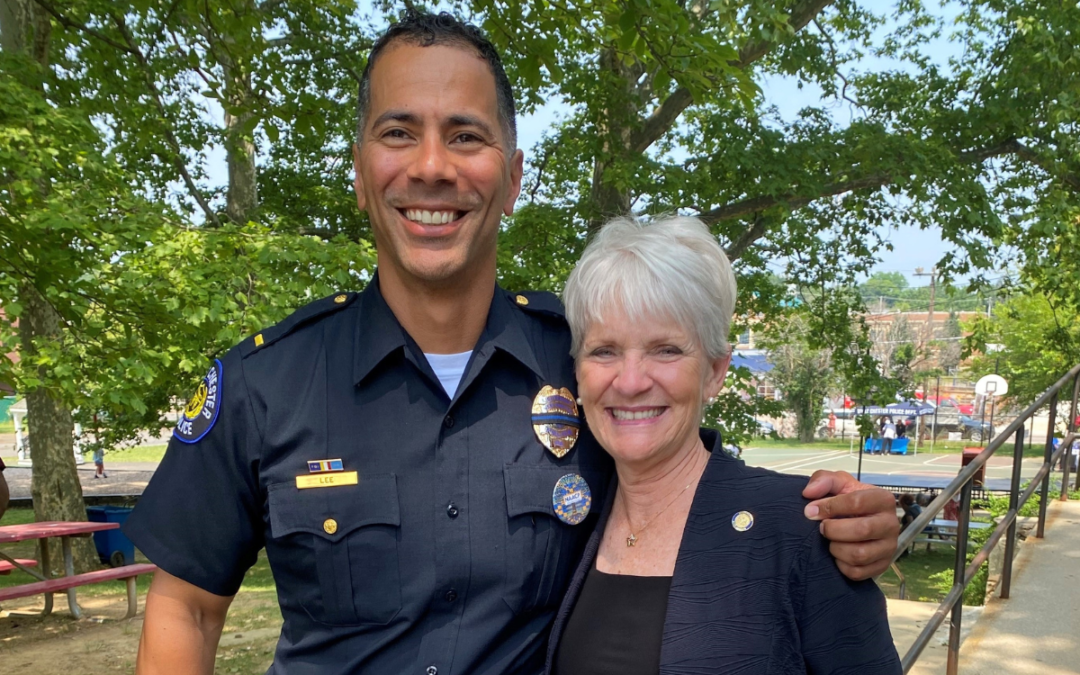
“I am beyond thrilled that the West Chester Police Department has been awarded this Justice Assistance Grant for $250,000. These funds will be used to offset much of the cost of obtaining new, state-of-the-art body-worn cameras and in-car video systems. The new cameras and systems will improve police operations and enhance public safety and trust. We thank Senator Comitta and Representative Pielli for their continued support,” said West Chester Police Chief Josh Lee.
Supported with state funding, the West Chester Police Department first began to use body cameras in 2020. The department requires that all field operations personnel wear body cameras. Officers are required to record situations during which they encounter the public and an arrest, detention, or use of force is likely. However, most of the cameras currently in use are out of warranty and approaching the end of their life cycle.
In the spring, West Chester Borough Council approved applying for grant funding to purchase new cameras for all 44 department officers. The borough is also budgeting funds to support the investment, which is expected to cost between $500,000 and $600,000 according to reports.
The Pennsylvania State Police (PSP) is currently rolling out body cameras to troopers across the Commonwealth. So far, PSP troops covering 19 counties have successfully implemented body-worn cameras. PSP expects to have fully implemented body-worn cameras and updated mobile video recorders for all of its troops by the end of the first quarter of 2025.
In addition, full-time Pennsylvania Wildlife Conservation Officers (now known as State Game Wardens) already wear body cameras and the Pennsylvania Fish and Boat Commission is currently in the process of procuring and rolling-out cameras for its Waterways Conservation Officers
There are also proposals before the legislature to authorize body cameras for parole agents and others.
September 10, 2024
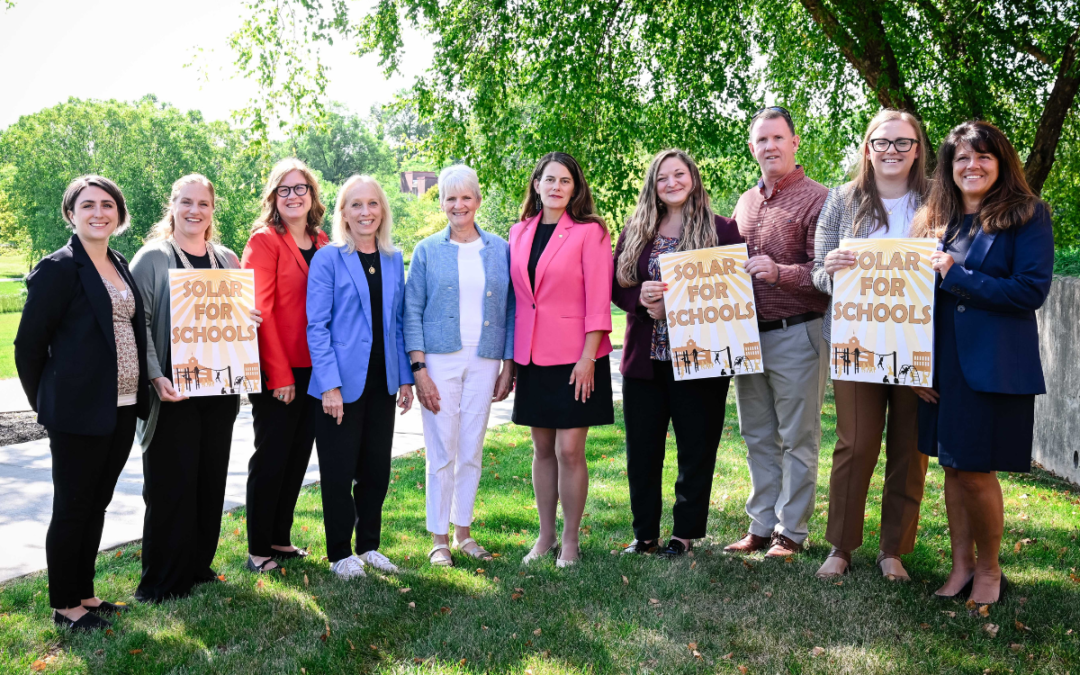
State Senator Carolyn Comitta joined U.S. Rep. Mary Gay Scanlon, state Rep. Jennifer O’Mara, and other members of the PA House Democratic Southeast Delegation celebrated the recent enactment of state Rep. Elizabeth Fiedler’s Solar for Schools program this week.
Solar for Schools is a new state grant program designed to help school districts across Pennsylvania install solar panels on school grounds or roofs. The grants will cover up to 50% of the cost of solar projects for schools and can be paired with federal funding available through the Inflation Reduction Act.
“My colleagues and I in Congress passed the Inflation Reduction Act. This provides incentives for schools, nonprofits, and houses of worship to deploy wind, solar, and other renewable energy technologies to generate clean electricity,” Scanlon said. “I’m so excited that decades after I was on the school board, our state legislature, led by Representative Fiedler, stepped up and took this really important step so our school districts can do renovations, implement solar energy and other clean energy options, and reap the savings of those options. The IRA is an essential step, but it can’t be the last step.”
“Solar for Schools is not just an opportunity to bring clean energy and good jobs to our school communities. It’s an innovative way to pair state and federal funds to benefit Pennsylvania’s students,” Fiedler said. “I’m grateful to my colleagues who helped pass the bill through the legislature, and to those at the federal level who worked hard to pass the IRA and secure funds for these game-changing projects.”
Energy is the second-highest cost for schools, behind staffing. By generating their own solar energy, districts can save millions of dollars over the life of a project, allowing them to free funds that could be used on educational resources, staff, and student programming.
“Our public schools, community colleges, and career and technical schools are powering the future of Pennsylvania. It just makes sense that they are powered in a sustainable, environmentally friendly, and cost-effective way. I want to thank the governor and all of our partners in the state legislature, U.S. Congress, environmental community, and labor for making this a reality. When students and families see that their schools are powered by solar, it shows that we are putting their future and the future of our planet first,” said state Sen. Carolyn Comitta, who introduced companion legislation in the Pennsylvania Senate.
“Concerns about the environment are top-of-mind for the young adults in our community. Solar for Schools demonstrates we are taking their concerns seriously and doing what we can to make positive change. It will also mean savings for taxpayers as solar can substantially lower school energy costs…a win for our communities on so many levels,” said state Rep. Lisa Borowski.
“This program creates family-sustaining union jobs, helps our commonwealth meet its climate goals, and has the potential to help school districts save hundreds of thousands of dollars so they can invest in what matters most – our students. Embracing the Solar for Schools program is more than just a step toward reducing our environmental impact—it’s a commitment to building a sustainable future that benefits everyone,” said O’Mara.
The program united a broad coalition of environmental and labor leaders, who are excited about its potential to create jobs, prepare the next generation of workers for careers in solar installation, and reduce environmental impact.
“Solar for Schools presents an important opportunity to demonstrate to Pennsylvanians across our commonwealth that the clean energy revolution is here and will help their communities,” said Jess Cadorette, director of civic engagement for Conservation Voters of Pennsylvania and PennFuture. “This innovative program will leverage federal investments under the Biden-Harris climate agenda to increase access to clean energy while creating union jobs and lowering energy costs across Delaware County and all of Pennsylvania.
“IBEW 654 supports the Solar for Schools legislation because it supports the safe, productive and sustainable growth of renewable energy systems in Pennsylvania. We support creating good paying, family sustaining jobs in our communities,” said Bill Adams, president and assistant business manager for IBEW Local 654.
The media event was part of an ongoing Solar for Schools tour that aims to highlight energy and financial needs at schools, spread the word about the grant program, and ensure school districts are prepared to apply.
September 6, 2024
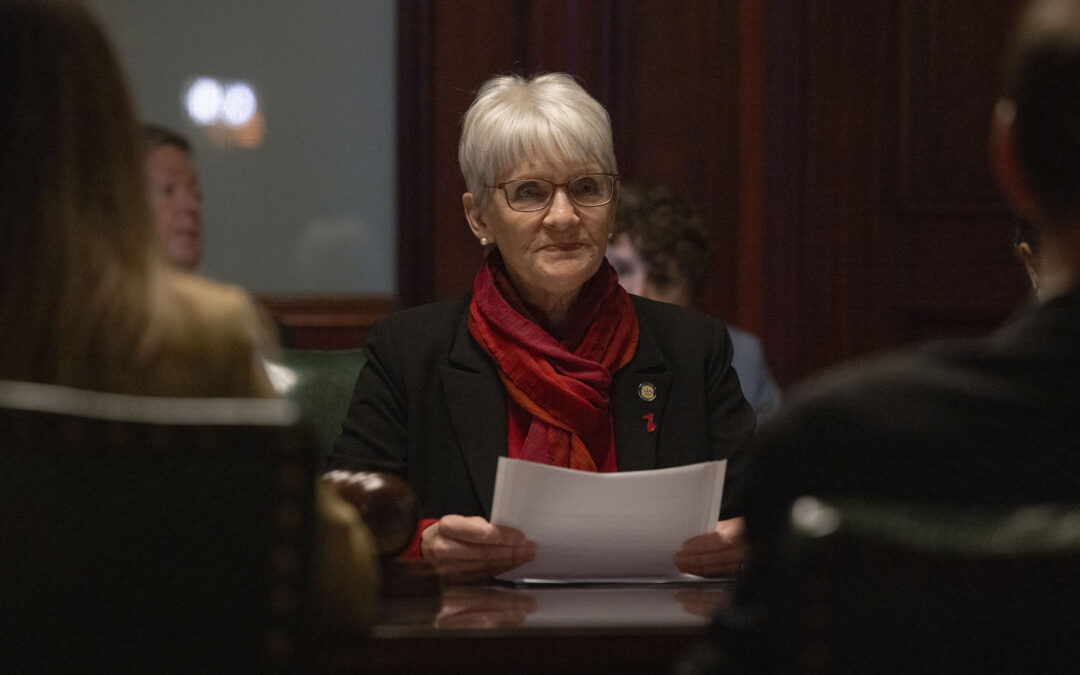
West Chester, PA (September 6, 2024) – New rules enhancing pipeline safety and governing hazardous liquids pipelines in Pennsylvania are expected to be finalized this fall, state Senator Carolyn Comitta announced.
Earlier this year, the Pennsylvania Public Utility Commission (PUC) unanimously voted to adopt a Revised Final Form Rulemaking aimed at strengthening state public utility safety standards related to the pipeline transport of hazardous liquids in intrastate commerce.
The regulations provide hazardous liquid public utilities with Pennsylvania-specific safety standards designed to deter inadvertent returns, leaks, subsidence events, and water contamination events related to the construction, operation and maintenance of highly volatile liquid pipelines and other public utility pipelines transporting hazardous liquids within Pennsylvania.
Once finalized, hazardous liquid public utilities will have Pennsylvania-specific standards to comply with, in addition to federal regulations currently administered by the Pipeline and Hazardous Materials Safety Administration and enforced by the PUC.
“This is a major step forward in protecting public health, safety, and our land, air, and water,” said Comitta, who serves as minority chair of the Senate Environmental Resources and Energy Committee. “As a major energy-producing state, it only makes sense that the Commonwealth have clearer, stronger, and more comprehensive regulations protecting our communities from the potential dangers of hazardous liquids pipelines.”
This important development comes as a result of a years-long effort initiated by Comitta and others to enact stronger pipeline rules that better protect the health, safety and well-being of children, residents, and families in communities across the Commonwealth.
The process began in 2017, when then-state Rep. Comitta, brought together multiple stakeholders to discuss much-needed safety reforms to the pipeline construction process. Those talks, some of the only of their kind taking place in Pennsylvania, included input from residents, pipeline safety groups, industry representatives, the PUC, the Pennsylvania Department of Environmental Protection, emergency response officials, the Pennsylvania Emergency Management Agency, state and federal lawmakers, local municipalities, and the Chester County Association of Township Officials.
In addition, the need for stronger pipeline safety regulations in Pennsylvania was largely highlighted by problems with the Mariner East pipeline project, which resulted in numerous geological issues and public safety concerns, not to mention dozens of DEP violations and fines.
“This has been a long and extensive process, but it shows that persistence pays off, collaboration works, and we can work together to better protect people and our environment,” Comitta said. “I want to thank everyone who stuck with the process and helped see this through, especially our local officials, community advocates, and emergency management professionals, as well as the PUC staff and everyone who submitted public comment.”
According to the PUC, the new rules focus on the following key elements.
- Improves communications among utilities and members of the public; local, county, and state governments; and excavators, contractors, emergency responders, and school administrators.
- Delegates authority to the PUC’s Pipeline Safety Section to make certain determinations and to request and receive key reports necessary for the Pipeline Safety Section to do its job of ensuring compliance with these standards.
- Prevents construction, relocation, or conversion of existing pipelines under any buildings or dwellings except for repairs or replacement of existing pipelines.
- Requires nondestructive tests of all girth welds with few exceptions.
- Requires regular inspection and maintenance of proper depth of cover required by federal law for all pipe in use for transporting hazardous liquids, construction, and the maintenance of 12 inches clearance between the outside of the pipe and the extremity of other underground structures.
- Requires geological and environmental impact studies regarding construction.
- Requires the utility to be responsible for ensuring land agents interacting with the public regarding easements hold a valid PA license in law, real estate, engineering, land surveying, geology, or membership in good standing with the International Right of Way Association or its successor as the association has an ethics code of conduct.
- Requires additional training of emergency personnel.
This final rule amends Chapter 59 of Title 52 of Pennsylvania’s Public Utility Code.
Earlier this summer, it was unanimously approved by the Independent Regulatory Review Commission (IRRC) and reviewed by the Office of Attorney General for form and legality, and by the Office of Budget for its fiscal impact.
The final rulemaking order is expected to be published in the Pennsylvania Bulletin this month and take effect in November.
The new rules do not apply to pipelines covered under Act 127 of 2011, the Gas and Hazardous Liquid Pipeline Act, and there are no retroactive design or construction regulations for those pipeline facilities that exist when the rule is made effective by operation of law. However, the operations and maintenance, accident reporting, and public awareness regulations do apply to existing hazardous liquid pipeline facilities.
August 28, 2024
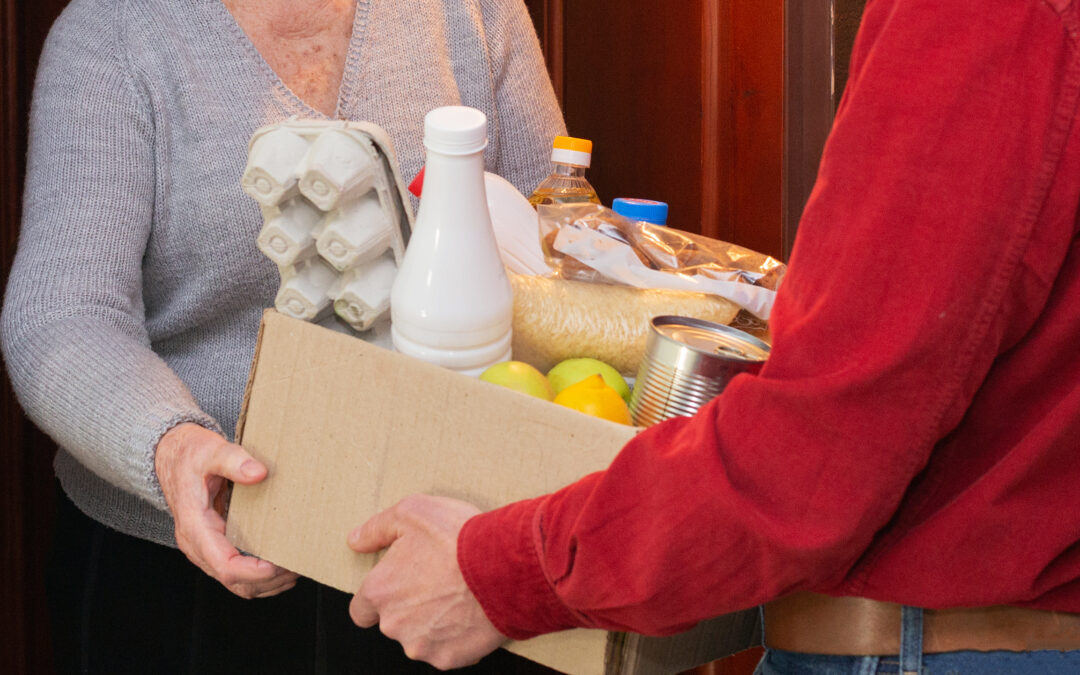
West Chester, PA (August 29, 2024) – SILO, a nonprofit organization serving Oxford Borough and the surrounding community, is expanding its efforts to combat hunger and food insecurity thanks to the work of state Senator Carolyn Comitta.
Comitta recently secured $50,000 in state funding through the Pennsylvania Department of Community and Economic Development for SILO, which stands for Serving, Inspiring and Loving Others.
Comitta said she saw SILO’s positive impact and dedication to the community in response to last fall’s fire in downtown Oxford, which destroyed multiple buildings and displaced dozens of families.
“SILO is always ready to step forward to help people and families in need. It was a pleasure to secure this funding and I want to thank all of the SILO staff, volunteers, supporters, and board members for their important and transformative work,” she said. “In addition to addressing food insecurity, SILO helps bring people together and build relationships, while educating and inspiring individuals to find and pursue their purpose,” Comitta said.
The funding will support the organization’s multi-pronged approach to ensure that no one in the Oxford community is isolated or experiencing food insecurity, including:
- Delivering Hope – provides people facing food or basic needs insecurity with free meals, groceries, and other basic necessities.
- Growing Together Community Garden – teaches people to grow fresh food for themselves and increase their self-sufficiency. SILO has also installed more than 280 raised-bed gardens in the backyards of those struggling with food insecurity.
- Monthly Meals – held every third Saturday of the month. Free monthly meals for the community also include activities and games for kids, crafts for the entire family, and opportunities to socialize and build relationships.
SILO Executive Director Melissa Pacella thanked Comitta for the support and said the organization plans to use the funding to expand its food programs, which focus on empowering families, fostering community connections, and supporting people with dignity and compassion.
“Working families who are having a hard time keeping up with daily expenses and rising consumer costs are increasingly turning to SILO for support. Requests for food have skyrocketed and this funding allows us to expand our food delivery program and ensure we are able to meet the growing needs of our community,” she said.
Pacella also said SILO is looking to launch an app to help manage its food delivery program and envisions adding an educational mural to its community garden.
“People are drawn to SILO’s monthly meals and the community garden, in part, because they can meet and get to know people unlike themselves. It’s an opportunity for people from all walks of life to come together and experience a sense of community pride,” she added.
For more information about SILO, visit oxfordsilo.com
###

August 28, 2024
West Chester, PA (August 26, 2024) – State Senator Carolyn Comitta and State Rep. Christina Sappey are hosting a free shredding and electronic recycling event on Saturday, September 7, in West Bradford.
The event runs from 10 a.m. to 1 p.m. at the PennDOT Chester County Stockpile located at 1649 Telegraph Road.
Residents and families are welcome to take advantage of the opportunity to safely dispose of personal or confidential paperwork, as well as old or unwanted electronic devices and small appliances.
“As summer winds down and we look toward fall, I know many of us are de-cluttering and cleaning out garages, sheds, basements, and closets,” Comitta said. “This is your chance to protect yourself from the risk of identity theft and fraud and protect our environment by ensuring electronics are properly disposed of.”
“This event is a great way to dispose of sensitive documents and unwanted electronics in a safe, sustainable way, keeping potentially harmful materials out of landfills. I encourage residents to take advantage of this opportunity,” Sappey said.
Some examples of unneeded documents that should be shredded include: credit card statements and applications, bank records, canceled checks, income tax forms, insurance records, medical and retirement or pension fund information, and any documents that contain personal information like Social Security, credit card, or bank account numbers.
The documents will be destroyed onsite, and the shredded paper will later be recycled.
The event is free and open to the public. However, please note the following:
- This event is for individuals only, not businesses.
- There is a three (3) box limit per car for shredding.
- There is a three (3) item limit for electronics recycling.
- Only paper will be accepted for shredding. Please do not bring binders, binder clips, or books.
In addition, electronic items will be accepted for recycling, including computer hard drives, CPU’s, LCD screen and CRT (glass screen) TVs and monitors, printers, computer accessories, and small appliances that have a plug.
Air conditioners, dehumidifiers, and any items containing freon cannot be accepted.
###

August 28, 2024
West Chester, Pennsylvania (August 9, 2024) – Families and children are welcome to join in for an afternoon of free, fun activities during this year’s Library Card Sign-Up Fest on Sunday, September 8, from 1- 4 pm at Chester County Library in Exton
The event, organized by state Senator Carolyn Comitta and the Chester County Library System (CCLS), marks Library Card Sign-Up Month, held annually to invite everyone to discover the incredible resources and opportunities available at your local library by signing up for a library card.
“Getting a library card is a transformative experience. It opens up a whole new world of education, exploration, entertainment, and enrichment. I am thrilled to again partner with the Chester County Library for our Library Sign Up Fest. And I want to thank all of the staff, volunteers, and supporters working to spread the word about the power of public libraries,” said Comitta, who serves on the Senate Education Committee.
“Chester County Library is so excited to partner with Senator Comitta once more for our second Library Card Sign-Up Fest this September!” said Chester County Library Director, Jenna Persick. “Join us on Sunday, September 8th, from 1-4 pm at Chester County Library in Exton for a fun day where you can get a taste of some delicious ice cream from Handel’s of Downingtown and check out all the fun activities we have planned for the day including crafts, face painting, STEM kits, Touch-a-Truck, a photo booth, story times with special guest readers including Miss Pennsylvania’s Teen, Arianna Spurlin, the YMCA of Greater Brandywine’s Zoo & Stem On Wheels and special character visits. Staff volunteers will also be accepting donations of new or gently used books for ages 0-18 years to be distributed to local non-profits. Please consider donating to this worthy cause. Of course, the main reason for this celebration is that you can register for and roll out with your library card and start the school year off right, with your most important school supply—a library card. Everyone should have one!”
Today’s libraries are vibrant community centers offering much more than just books. With a CCLS card, you can explore the system’s full catalog of books, visit local museums, access resources for entrepreneurs and small businesses, and other services to help meet the needs of our community.
The Chester County Library System is made up of eighteen libraries across the county. To find your local library and to learn more about applying for a library card go to ccls.org
###

August 28, 2024
West Chester, Pennsylvania (August 28, 2024) – State Senator Carolyn Comitta and US Representative Chrissy Houlahan announced today that students at four elementary schools in the Coatesville Area School District will have access to fresh fruit and vegetable snacks during the school day thanks to federal funding.
The grant funds, provided through the U.S. Department of Agriculture’s (USDA) Fresh Fruit and Vegetable Program (FFVP) and administered through the Pennsylvania Department of Education, are as follows:
- Caln Elementary School will receive $29,766.
- East Fallowfield Elementary School will receive $21,450.
- Rainbow Elementary School will receive $45,936.
- Reeceville Elementary School will receive $24,222.
“Young people need nutritious food to fuel their learning and growth. By introducing students to fresh fruit and vegetable snacks during the school day, we hope to steer them toward healthy eating habits in the long run,” said Comitta, a former public school teacher who serves on the Senate Education Committee.
“As a former educator, I have seen first-hand what happens when students come to school hungry,” added Representative Houlahan. “Hunger compromises a child’s healthy development and their ability to engage with their education. While we continue to work on a number of issues related to education, this specific USDA funding will measurably and meaningfully improve students’ ability to learn, and that is always an investment worth making.”
The goal of the FFVP is to create healthier school environments by providing healthier food choices, expanding the variety of fruits and vegetables that students can try, increasing the consumption of unprocessed food, and positively impacting students’ present and future health. Additionally, it promotes nutrition education among students.
“Access to healthy food options gives our students the fuel they need in order to learn, grow, and achieve,” said Secretary of Education Dr. Khalid N. Mumin. “The Fresh Fruit and Vegetable Program helps learners across the Commonwealth access nutritious foods and create healthy habits that benefit them both in the classroom and at home – at no cost to students or their families.”
The program, implemented in Pennsylvania in 2004 and now available in all 50 states, has successfully introduced elementary school children to a variety of produce that they otherwise might not have the opportunity to try. According to the USDA, it also helps combat childhood obesity by increasing the overall acceptance and consumption of healthier food alternatives among children.
Under the program, selected schools receive reimbursement for the cost of making free fresh fruits and vegetables available to students during the school day. These fresh fruits and vegetables must be provided separately from the lunch or breakfast meal, in one or more areas of the school during the school day.
To be eligible, schools must participate in the National School Lunch Program. FFVP prioritizes schools with the highest percentage of children eligible for free and reduced-price meals in order to give children from low-income families more opportunities to regularly consume fresh produce.
The funding for CASD schools comes as part of nearly $7.3 million in total grant funding awarded to 268 schools across the Commonwealth under the FFVP. The list of awardees can be found on PDE’s website.
This funding is in addition to the universal free breakfast program, which makes breakfast available to 1.7 million students across Pennsylvania. Since its implementation two years ago, the program has served more than 23 million breakfasts to students across the Commonwealth.
August 27, 2024
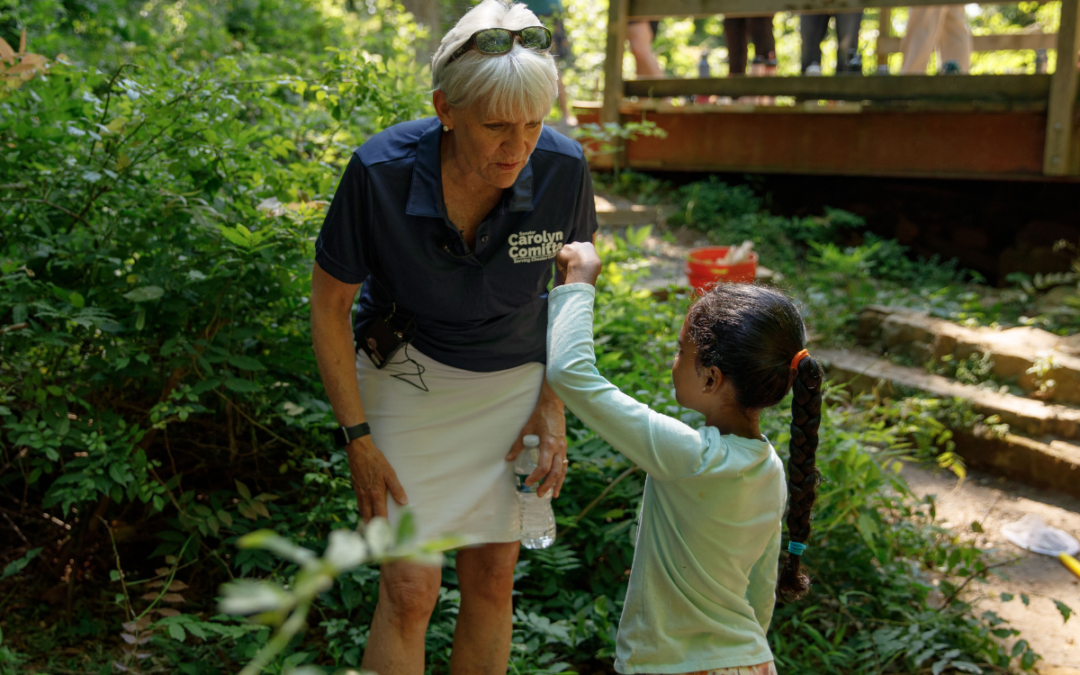
West Chester, PA (August 27, 2024) – Nearly $1 million in total state funding is available for Chester County schools, colleges, businesses, nonprofit groups, and environmental organizations that promote environmental education and stewardship, state Senator Carolyn Comitta announced.
Now through November 15, the Pennsylvania Department of Environmental Protection (DEP) is accepting applications for its 2025 Environmental Education Grants Program. The program supports projects that engage people about clean water and climate change, especially those with a focus on environmental justice areas.
“Quality environmental education programs offer a great way for students to get outside, engage with their communities, learn STEM skills, and begin to think differently about the world around them,” said Comitta, who serves as minority chair of the Senate Environmental Resources and Energy Committee . “As climate change is increasingly impacting our lives and our way of life, it’s vital that the next generation is prepared to lead with an understanding of science, sustainability, and the symbiotic relationship between human health and environmental health.”
“Environmental Education grants are some of the best ways to teach people about the water they drink and the air they breathe. The projects that these grants support strengthen the bonds between people and their environment so that they are able to make informed decisions and take responsible actions for their communities,” said DEP Acting Secretary Jessica Shirley. “These projects are especially important to communities that have been disproportionately impacted by pollution.”
Projects with a local focus may receive up to $5,000 and regional or statewide initiatives may receive up to $30,000. Projects that engage students and teachers from at least 60 Pennsylvania counties at three levels, local, state, and national, may be awarded up to $65,000.
Funding is provided on a reimbursement basis. Projects must be implemented during the period July 1, 2025-June 30, 2026.
The Environmental Education Grants Program has supported a wide range of activities from tours and workshops to hands-on field experiences and action projects. Projects in Senate District 19 that received funding last year include the Camp Linden Children’s Summer Program and partnerships between the Stroud Water Research Center and local school districts to create outdoor learning spaces and lessons about the impacts of climate change on freshwater resources.
Many of last year’s awardees also supported people in environmental justice communities, communities composed of Pennsylvanians that are more threatened by climate change, air pollution, and water pollution.
Information about the grants program is available at Environmental Education Grants. Electronic applications must be submitted through the Keystone Login (first-time users will need to register).
In addition, potential applicants will have an opportunity to ask questions and get tips from DEP staff at a free 2025 Environmental Education Grants Program webinar scheduled for October 10, 2024, from 11:30 AM – 1:00 PM. DEP staff will also review instructions for completing required application forms and the program will conclude with a Q&A session. Please register by September 30, 2024: 2025 EE Grants Program Webinar Registration.
The Environmental Education Grants program was established by the Environmental Education Act of 1993, which mandates setting aside 5 percent of the pollution fines and penalties DEP collects annually for environmental education in Pennsylvania. Since the program began, more than 2,200 projects, totaling over $14 million, have been awarded grant funds.
###

August 20, 2024
West Chester, Pa (August 20, 2024) – Important transportation and streetscape improvements are coming to the City of Coatesville and Oxford Borough thanks to state investments through the Multimodal Transportation Fund, state Senator Carolyn Comitta said. “By investing in walkability, traffic safety, and pedestrian access in downtown Coatesville and Oxford, we can help attract new businesses, visitors, and residents,” Comitta said. “As Coatesville looks to the opening of its new train station next year and Oxford continues to revitalize and rebuild after last year’s fire, I hope these funds will support community efforts to create a more prosperous and connected future.”
In Coatesville, nearly $122,000 is allotted for the extension of new streetscape improvements along the north side of Lincoln Highway between Third and Fourth Avenues.
In Oxford, $854,356 in state funding is slated for improvements to Niblock Alley, Market to Hodgson Street, including making the adjacent Broad St. Bridge into a public street and gateway to downtown Oxford. The project also calls for improved pedestrian safety and multimodal circulation, and improved rail movement with a new switch.
The investments in Senate District 19 come as part of more than $51 million in funding from the Multimodal Transportation Fund to support 66 crucial transportation projects across 32 counties in Pennsylvania. Also in Chester County, funds were awarded to improve Bridge and Starr Streets in Phoenixville Borough and Prospect Avenue in West Grove.
“Infrastructure is critical to our Commonwealth’s progress, and our ability to complete major projects is key to spurring economic growth and creating real opportunity,” said Governor Shapiro. “Investing in and improving our infrastructure is a commonsense way to spur economic development, create jobs, and help Pennsylvanians reach their destinations safely and efficiently. These improvements will help our communities grow as we continue working together to move Pennsylvania forward.”
“Whether we’re making roadways more accessible to all modes of travel or creating new connections for businesses investing in our communities, transportation is integral to our quality of life,” said PennDOT Secretary Mike Carroll. “These projects will bring long-lasting improvements across the state.”
Established under Act 89 of 2013, the Multimodal Transportation Fund provides financial assistance to encourage economic development and ensure that a safe and reliable system of transportation is available to Pennsylvania residents. Eligible applicants include municipalities, councils of governments, businesses, economic development organizations, public transportation agencies, and ports and rail freight entities. Eligible projects include streetscape, lighting, sidewalk enhancement, pedestrian safety, connectivity of transportation assets, and transit-oriented development.
PennDOT will begin accepting applications for the next round of funding for grants under the Multimodal Transportation Fund on September 23, 2024. Applications are due by 4:00 p.m. on November 5, 2024. Grant recipients are expected to be announced next year for funding that will be available in July 2025.
Applications are evaluated based on criteria such as safety benefits, regional economic conditions, technical and financial feasibility, job creation, energy efficiency, and operational sustainability.
###

August 19, 2024
West Chester, Pa (August 19, 2024) –With many students preparing to return to class in the coming days, state Senator Carolyn Comitta is reminding motorists to drive safely, pay extra attention around schools and bus stops, and follow Pennsylvania’s School Bus Stopping Law.
“The back-to-school season means there will be more school buses on our roadways, more children at bus stops, and an increase in traffic, especially around schools,” Comitta said. “It’s an exciting time of year, but please stay focused while driving. Allow extra time for your commute, put down your cell phone while driving, and pay extra attention when approaching a school bus or crosswalk.”
Under Pennsylvania’s School Bus Stopping Law:
- Motorists must stop at least 10 feet away from school buses that have their red lights flashing and stop arms extended.
- Motorists must stop when they are behind a bus, overtaking a bus, meeting the bus, or approaching an intersection where a bus is stopped.
- Motorists following or traveling alongside a school bus must also stop until the red lights have stopped flashing, the stop arm is withdrawn, and all children have reached safety.
- If physical barriers such as grassy medians, guide rails, or concrete median barriers separate oncoming traffic from the bus, motorists in the opposing lanes may proceed without stopping.
- Do not proceed until all the children have reached a place of safety.
- The penalties for violating the School Bus Stopping Law can be significant, including a 60-day driver’s license suspension, five points on your driving record, and a $250 fine.
According to PennDOT, each year hundreds of drivers in the Commonwealth are convicted for passing a stopped school bus with its red lights flashing. In addition, some school districts have equipped school buses with stop-arm cameras, designed to capture and record violations (those violations include a $300 fine).
Nationwide, an estimated 251,000 vehicles illegally passed school buses in a single day according to a survey of school bus drivers conducted this year by the National Association of State Directors of Pupil Transportation Services. That was up from the 242,000 estimate for last year.
Motorists are also reminded to slow down to the posted speed limit of 15 mph in school zones, which are particularly busy in the morning and afternoon hours during student arrival and dismissal.
Comitta, a former public school teacher and member of the Senate Education Committee, also said parents and families should talk with bus riders about safety while boarding, deboarding, or waiting for the bus, including standing back from the roadway while waiting, never running after the school bus if it has already left, never crossing the street behind a bus, and walking at least 10 feet in front of the bus when crossing.
In addition, students can do their part to stay safe while walking or crossing roadways by unplugging from phones and electronic devices, using crosswalks and intersections with crossing guards, making eye contact with drivers, wearing visible clothing, especially in the early morning and evening hours, watching for turning vehicles, and traveling in groups.
“We all want our children and students to get to school safely and come home safely. And we all have a role to play in ensuring they do,” Comitta said.
More than 30,000 buses transported nearly 1.5 million children about 400,000 miles on Pennsylvania roads last year, according to PennDOT.
For more safety tips, visit penndot.pa.gov
###