
December 22, 2021
WEST CHESTER (December 22, 2021) – Phoenixville senior citizens had a hand in making the holidays extra bright by contributing handmade ornaments to the 2021 Capitol Christmas Tree on display in the Main Rotunda of the State Capitol in Harrisburg.
The Phoenixville Area Senior Center was part of more than 32 senior community centers in 27 counties across the commonwealth that crafted and submitted ornaments for the tree as part of an annual initiative organized by the Pennsylvania Department of Aging
“Our Social Stitchers group resumed in person this fall and we’re thrilled to contribute to the Capitol Holiday tree after taking a year off. While we have not resumed eating meals together, our participants safely enjoy exercise, games, crafts, and educational activities here at the Phoenixville Area Senior Center. We look forward to more activities in 2022,” said Christine McManus, Program Coordinator at the Phoenixville Area Senior Center.
State Senator Carolyn Comitta welcome the Phoenixville Area Senior Center’s local contributions to the tree and thanked center volunteers and staff for their ongoing work. She also said it was uplifting and heartening to see the tradition of the Capitol tree, this year a 20-foot Douglas fir, officially resume after it took a hiatus last year due to the pandemic.
“It brings me great joy to see the talents of our local seniors on display in the state Capitol,” Comitta said. “The ornaments are also a beautiful and poignant reminder of the important work of our senior community centers in ensuring that our older friends and neighbors feel welcomed, valued, and included in our communities, especially during the holiday season.”
“Every year, the Department of Aging receives a tremendous number of ornaments from the senior centers with letters or cards thanking the department for inviting the seniors to make them,” Secretary of Aging Robert Torres said. “The seniors really get into the holiday spirit with their creativity and the work that they put into creating the ornaments. Each is unique and embodies the pride of being ‘made in PA’ along with the holiday tree that comes from a Pennsylvania tree farm every year. I would like to thank all of the seniors from across the commonwealth who devoted their time and talent in making the ornaments to support our holiday celebration.”
The tree will remain in the rotunda until January 10.
Individuals can get a closer look at the ornaments made by the older adults, as well as information about resources and programs for seniors, by visiting the Department of Aging’s Facebook page.

December 21, 2021
State Senator Carolyn Comitta recently joined Department of Conservation and Natural Resources (DCNR) Secretary Cindy Adams Dunn today announced $333,991 in Keystone Recreation, Park and Conservation Fund grant funding for a Stroud Water Research Center water quality pilot project aimed at finding market-driven solutions to improving environmental conditions.
The grant will help fund Stroud Center’s implementation of 60-acres of multifunctional riparian forest buffers. Mutlifunctional buffers are an agroforesty practice that provide ecological benefits while producing income. Stroud Water Research is partnering with Propegate Ventures to demonstrate proof of concept for investment in agroforestry practices that improve water quality and soil health, while assisting landowners in meeting their production and income goals.
“Our streams and watersheds not only a source of outdoor recreation in terms of fishing, boating, and supporting wildlife, they’re also a defining aspect of our regional landscape,” Comitta, who serves as minority chair of the Senate Environmental Resources and Energy Committee, said. “I thank DCNR and Stroud Water Research Center for supporting this project. By investing in riparian buffers, we’re investing in the future of waterways and our ecosystems. And when we protect water, we protect our way of life.”
“This project represents a unique and innovative look at addressing a critical need to help improve water quality and stewardship of our freshwater systems in Chester County,” Dunn said. “We are proud to award this grant to Stroud Water Research Center and look forward to seeing the ecological and economic impact strategic agroforestry initiatives can have when focused on and incentivized.”
“Stroud Water Research Center deeply appreciates support from the Department of Conservation and Natural Resources to demonstrate agroforestry as a way of increasing forest cover in Pennsylvania to meet a long list of societal needs from clean water to climate change,” said Matthew J. Ehrhart, Director of the Robin L. Vannote Watershed Restoration Program within the Stroud Water Research Center. “The unique contribution of Propagate Ventures to this partnership is their ability to help a farmer plan and execute a financially sound and profitable business model that turns a profit while improving natural resources. We hope this 60-acre demonstration project on three farms will help unleash the private sector potential for this valuable work.”
Analysis supported by the William Penn Foundation supports this pilot project and its intent to encourage farmers to plant trees and shrubs to create or improve freshwater buffers with the long-term goal of measuring the impact buffers have on water quality. The project will focus on the lower Susquehanna and Delaware watersheds and will include landowner outreach and engagement, buffer plantings and post-planting establishment, and other related site improvements.
DCNR provides grants to myriad projects across the commonwealth annually. Its Community Conservation Partnerships Program grants can fund:
- Planning, acquisition, and development of public parks and recreation areas
- Motorized and non-motorized trails
- River conservation and access
- Heritage areas and facilities
- Conservation of critical habitat, natural areas and open space
Eligible applicants for these grants include counties, municipalities, municipal agencies, nonprofit organizations, state heritage areas, prequalified land trusts, and for-profit enterprises (for some grant types). Grant funding for the program comes from a variety of state funding sources including Keystone Recreation, Park and Conservation Fund, Environmental Stewardship Fund, ATV and Snowmobile Management Restricted Accounts, Pennsylvania Heritage Area Program and federal sources including the Recreational Trails Program and the Land and Water Conservation Fund. DCNR selects the most appropriate funding source based on the applicant and proposed project.
“Stroud Water Research Center, which is located in the 158th legislative district, is world-renowned for its research and conservation work. I’m thrilled they have been awarded these funds, especially for riparian buffer installation, something I have worked on for many years,” Rep. Christina Sappey said. “Riparian buffers prevent flooding and stream bank erosion, ensuring healthy waterways while also providing natural habitat. As our region faces more frequent and severe storms, these buffers are becoming an increasingly important investment.”

December 20, 2021
WEST CHESTER (December 20, 2021) – Two projects to upgrade rail freight infrastructure in Chester County will receive nearly $1.1 million in total state funding, state Senator Carolyn Comitta said today.
The investments, recently approved by the State Transportation Commission, are as follows:
- $700,000 to the East Penn Railroad to rehabilitate the Octoraro Branch by replacing approximately 7,000 ties, 1,100 feet of rail, and three mainline switches, as well as 10 miles of surfacing.
- $371,000 to International Paper Company to construct approximately 500 feet of new track to the new plant and rehabilitate 1,200 feet of track with new ties and ballast.
The Chester County projects come as part of 25 rail freight improvement projects statewide slated to receive $33 million in total funding through the Pennsylvania Department of Transportation’s Rail Freight Assistance Program. In total, the projects will create or sustain more than 200 jobs across the Commonwealth.
“Continued investments in our rail freight infrastructure help support job growth, reduce traffic congestion, strengthen our supply chain, and ensure businesses can connect with consumers effectively and efficiently,” Comitta said.
“Keeping goods moving efficiently has proven to be more important now than ever,” said Governor Wolf. “These investments in Pennsylvania’s rail system create jobs, support efficient freight travel, and help keep the business community connected to the global economy.”
Pennsylvania has 65 operating railroads, which is more than any other state. PennDOT is committed to working with private rail operators and rail-served businesses to construct new rail lines and assist in maintaining and improving Pennsylvania’s roughly 5,600 miles of freight lines.
According to PennDOT, the RFAP provides financial assistance for investment in rail freight infrastructure to preserve essential rail freight service where economically feasible, and preserve or stimulate economic development through the generation of new or expanded rail freight service.
The maximum state funding for an RFAP project is 70 percent of the total project costs, not to exceed $700,000.

December 20, 2021
WEST CHESTER (December 20, 2021) – Construction is set to begin in the first quarter of 2022 on International Paper’s state-of-the-art corrugated packaging plant in Atglen, a project that is expected to bring approximately 150 new jobs to the area.
State Senator Carolyn Comitta welcomed the company’s investment in Chester County, which was supported by news that it had been awarded a $371,000 grant through the Pennsylvania Department of Transportation’s Rail Freight Assistance Program.
The funds, which were recently approved by the State Transportation Commission, will be used to construct approximately 500 feet of new track to the new plant and rehabilitate 1,200 feet of track with new ties and ballast.
“This is promising news for southern Chester County as we continue to work to expand manufacturing, invest in our transportation infrastructure, and attract and retain family-sustaining jobs,” Comitta said.
“International Paper is pleased to receive the Rail Freight Assistance Program (RFAP) grant for our rail project at our new corrugated packaging facility in Atglen. The grant will enable IP to more efficiently and effectively move materials and goods into our plant while limiting truck traffic in the surrounding communities,” said Peter Heist, Area Vice President, North Area, North American Container, International Paper.
The company, one of the world’s leading producers of renewable fiber-based packaging and pulp products, expects the plant to be fully operational in the first quarter of 2023.
###
December 17, 2021
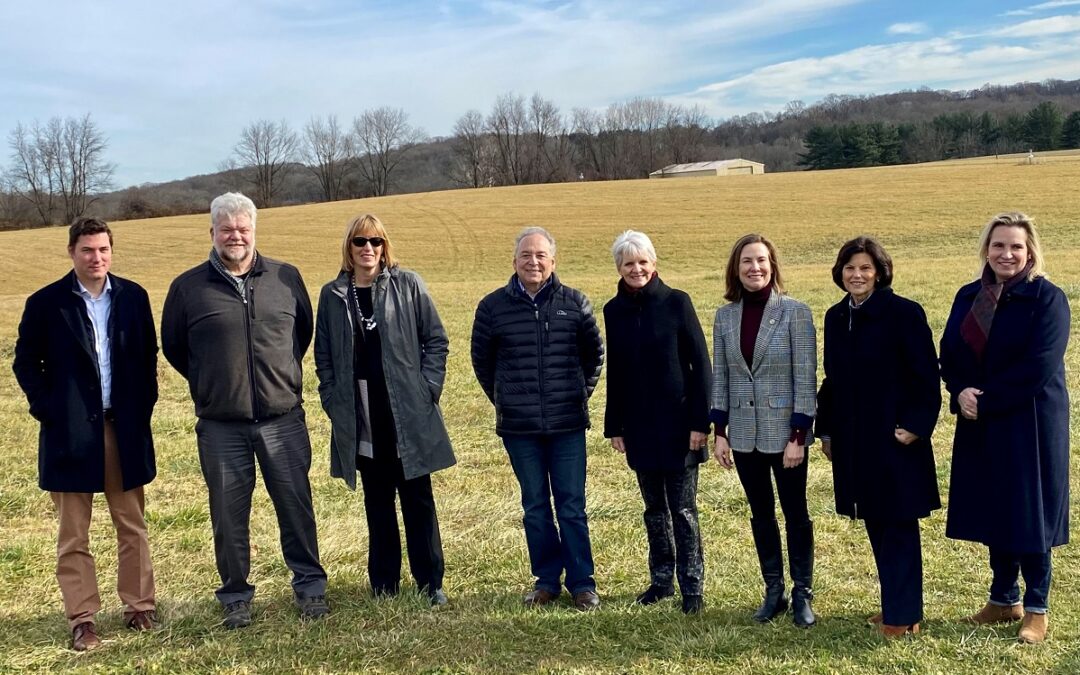
East Bradford (December 17, 2021) — State Senator Carolyn Comitta and state Rep. Christina Sappey today joined Department of Conservation and Natural Resources (DCNR) Secretary Cindy Adams Dunn and local and county officials in announcing $1.2 million in federal Land and Water Conservation Fund (LWCF) grant funding for the acquisition of Starr Farm in East Bradford Township.
“The preservation of the historic Starr Farm property in East Bradford adds to our ongoing commitment to conserving our natural resources for all people, including generations yet to come,” Sen. Carolyn Comitta said. Increased opportunities for outdoor recreation and access to more open space leads to healthier communities, stronger environmental stewardship, and an overall better quality of life for families and children. I look forward to seeing our friends, neighbors, and visitors enjoy Starr Farm and the thousands of additional acres we’ve succeeded in saving here in Chester County.”
“This acquisition is particularly important because of the connection it makes to other preserved historic lands,” Rep. Christina Sappey said. “The residents of East Bradford have made a commitment to open space and I’m proud to stand with them to support this funding. Protecting this land provides opportunities for the public to use and enjoy the unaltered beauty that has existed here for centuries.”
With help from the grant, funding from the Chester County Preservation Partnership Program, and its own investment, the township will acquire the deed to the 156-acre property, which includes a half-mile stretch of West Valley Creek, for natural resource conservation and passive recreational public use and enjoyment. The township will manage the property as part of a 477-acre complex of contiguous public parkland under the township’s jurisdiction.
“With more and more people turning to the outdoors since the beginning of the COVID-19 pandemic, we are pleased to support land acquisitions of this nature that help expand outdoor recreation opportunities in Pennsylvania communities,” Dunn said. “This grant will help ensure current and future generations can have nearby access to a large, beautiful park and I look forward to seeing the impact this acquisition has in East Bradford Township and for Chester County at large.”
“The acquisition of the 156-acre addition to the Starr Farm Park caps an over two-decade program of perpetually protecting the Paradise Valley and Harmony Hill Conservation Area, including virtually all of the remaining open spaces between the East Branch of the Brandywine and Valley Creek,” said Vince Pompo, chair of the East Bradford Township Board of Supervisors. “This would not have been possible without the continuing support of the Commonwealth of Pennsylvania, DCNR, Chester County, many conservation organizations, and mostly, the residents of East Bradford.”
DCNR provides grants to myriad projects across the commonwealth annually. Its Community Conservation Partnerships Program grants can fund:
- Planning, acquisition, and development of public parks and recreation areas
- Motorized and non-motorized trails
- River conservation and access
- Heritage areas and facilities
- Conservation of critical habitat, natural areas and open space
Eligible applicants for these grants include counties, municipalities, municipal agencies, nonprofit organizations, state heritage areas, prequalified land trusts, and for-profit enterprises (for some grant types). Grant funding for the program comes from a variety of state funding sources including Keystone Recreation, Park and Conservation Fund, Environmental Stewardship Fund, ATV and Snowmobile Management Restricted Accounts, Pennsylvania Heritage Area Program and federal sources including the Recreational Trails Program and the Land and Water Conservation Fund. DCNR selects the most appropriate funding source based on the applicant and proposed project.
More than 220 land acquisition projects have been awarded under the administration of Gov. Tom Wolf, leading to the permanent protection of 37,000 acres of publicly accessible open space across the commonwealth.

December 17, 2021
WEST CHESTER (December 17, 2021) – Two universities and one organization in Chester County will receive more than $55,000 in total state funding to support vaccine outreach and public health awareness efforts, state Senator Carolyn Comitta said today.
The grant funds, which come through the Pennsylvania Department of Community and Economic Development’s COVID-19 Vaccine Outreach Grant Program, support grassroots outreach efforts including local media buys, creation of outreach and training materials, sponsorship of vaccine-related community events, equipment rental to assist with scheduling vaccine appointments, and more.
The Chester County grant awards are as follows:
- $24,250 for the Maternal & Child Health Consortium of Chester County (MCHC)
- $20,000 for Lincoln University
- $11,000 for West Chester University
Comitta, who serves on the Senate Health and Human Resources Committee, said that, in light of new variants, it remains important for all eligible Pennsylvanians to strongly consider getting vaccinated and boosted.
“This week we marked one year since the first American received the COVID-19 vaccine. Tragically, we also saw the pandemic eclipse 800,000 total U.S. deaths,” said Comitta. “Increasing vaccination, reducing transmission, and saving lives begins with establishing a welcoming environment for trusted community leaders and organizations to educate and address hesitancy concerns and barriers to vaccination.”
Meanwhile, a new study from the Kaiser Family Foundation also found that more than 160,000 COVID-19 deaths in the U.S. could have been prevented by vaccination since June of this year and that the virus is one of the leading causes of death in all age groups.
The Chester County grant projects come as part of $2.5 million in funding awarded statewide through the COVID-19 Vaccine Outreach Grant Program for organizations to provide direction on where and how to schedule a vaccine appointment and improve uptake of the vaccine in hesitant communities for the health and safety of all Pennsylvanians.
Up to $100,000 was available to non-profit organizations and childcare and educational institutions through the program
Milena Oberti-Lanz, Executive Director of MCHC said, “We so are grateful for the support to continue educating our community. Our goal in 2022 is to increase knowledge on the COVID-19 vaccine among residents in Chester County, including the number of high-risk individuals vaccinated. With this support, MCHC will develop an outreach plan, coordinate staff training on COVID-19 vaccine information and disparities, incorporate this information into MCHC’s annual health insurance gatherings, and set up a community vaccine clinic.”
“West Chester University is deeply grateful to Governor Wolf and his administration for taking action and awarding significant grant funding to encourage Pennsylvanians to secure the vaccines they need to protect the Commonwealth from the devasting impacts of the COVID-19 virus,” said Dr. Chris Fiorentino, President of West Chester University. “With the abundance of vaccines that are now available, we encourage all citizens to engage in becoming vaccinated or receiving a booster. We absolutely must protect one another and getting vaccinated today is the very best way to do so.”
Approximately 70 percent of Pennsylvanians age 18 and older are fully vaccinated, according to the Pennsylvania Department of Health. However, many communities are still experiencing disparities in vaccination, including Black/African Americans, Latinx, the LGBTQ community, low-income persons, persons experiencing homelessness, persons less likely to use the Internet and others without Internet access, persons residing in rural or geographically isolated areas, and persons who have distrust in the government.
“Vaccines remain an absolutely essential element in combatting the COVID-19 pandemic, however there are still Pennsylvanians who are hesitant to get their first dose,” Governor Wolf said. “By providing funding to grassroots organizations for vaccine outreach efforts, we’re enabling them to serve as trusted messengers in vaccine-hesitant communities and promote the COVID-19 vaccine as a safe and effective way to protect themselves and their loved ones from the virus.”
“The Department of Health remains committed to eliminating obstacles and challenges that prevent Pennsylvanians from getting vaccinated,” said Physician General Dr. Denise Johnson. “Thanks to our incredible vaccine providers, and the ‘PA Unites Against COVID’ campaign, we are continuing to do that by providing educational materials, events, vaccine toolkits and posters in multiple languages to help encourage people to get vaccinated. I am impressed by the tens of thousands of Pennsylvanians who are stepping up every day to get their first, second, or third dose of vaccine to protect themselves, their loved ones, and their neighbors against COVID-19.”
All Pennsylvanians age 5 and older are eligible for the COVID-19 vaccine. If it’s been over six months since your second vaccine, you may be eligible for a booster vaccine. To find a COVID-19 vaccine provider near you, visit www.vaccines.gov to schedule an initial or booster appointment.
December 13, 2021
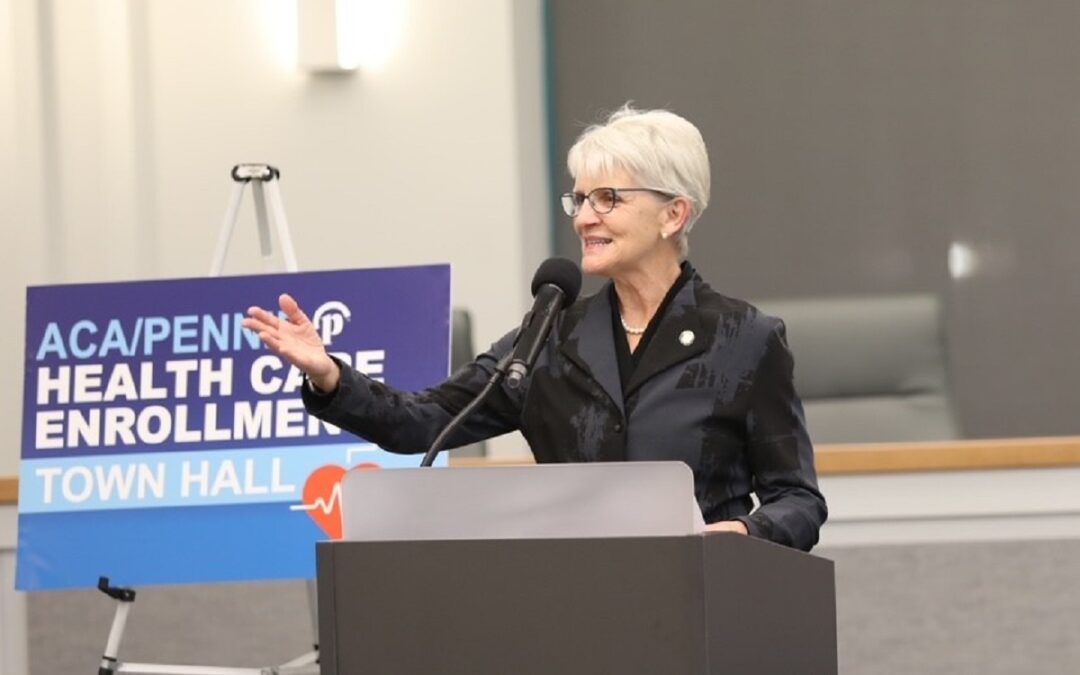
Recently, state Senator Carolyn Comitta held a healthcare enrollment townhall with experts from Pennie. If you were not able to attend, you can watch a video of the presentation.
In addition, Senator Comitta’s office compiled this list of 10 Takeaways from the meeting to help answer your questions.
- Pennie replaces Healthcare.gov for Pennsylvanians. The official and only website for Pennie is pennie.com.
- Pennie Customer Service can be reached at 1-844-844-8040.
- Please be aware that some companies and websites are attempting to pose as official Pennie representatives. When in doubt, hang up. If you receive an unsolicited call or e-mail, contact Pennie’s customer service to confirm that you are speaking with a Pennie certified broker/assister.
- If you sign up by December 15, you’re guaranteed to be covered by the New Year. Those who sign up by January 15 will start coverage on February 1, 2022.
- The American Rescue Plan Act brought significant savings to low-income families and even to those who may not have previously qualified for financial assistance. Compare plans and estimate your potential savings through Pennie.
- Enrolling for health coverage through Pennie will provide you with tax credits that go towards your plan’s premium. However, even if you enroll with a provider directly, you may be eligible for tax credits at the end of the year.
- Assisters can guide you throughout the process to buy coverage but cannot make recommendations on which plan to choose. Find an assister through Pennie here.
- Brokers are qualified and trained specialists to help residents choose the right healthcare plan. Find a broker through Pennie here.
- The special enrollment period begins on January 16 through December 31. This allows those with a qualifying life event (ex: birth of a child, marriage, loss of employment, etc.) to enroll in healthcare coverage throughout the year.
- In addition to health insurance plans for individuals and families, Pennie can help connect you with dental insurance plans.
If you have any additional questions, browse the Pennie FAQs or contact Pennie directly at 1-844-844-8040.

December 9, 2021
WEST CHESTER (December 9, 2021) – Important programs to prevent crime, support community policing efforts, assist victims in recovery, and enhance mental health services in Chester County will receive more than $830,000 in state and federal grant support, state Senator Carolyn Comitta and state Rep. Christina Sappey said today
Comitta, who previously served as Mayor of the Borough of West Chester, overseeing the West Chester Police Department, said the investments would support initiatives that aim to more efficiently and effectively manage public safety and address mental health needs.
“These investments help prevent crime, support victims, and reduce recidivism through a data-driven approach and better understanding of mental health and community needs,” she said. “Our county and local law enforcements agencies continue to be public safety leaders by utilizing these important resources to launch and maintain proven, innovative, and highly successful programs.”
Sappey said the grants would help Chester County continue to implement the latest public safety strategies and best practices while ensuring compliance with necessary standards and regulations.
“The PCCD grants that Chester County received will provide essential funding for programs serving the most vulnerable and working to keep our communities safe,” said Sappey. “I’m proud to see investments that will prevent crime, help victims of domestic violence and child abuse, update law enforcement policies and support crisis intervention services to better address our county’s needs.”
Chester County District Attorney Deb Ryan also welcomed the funding.
“These funds play a key role in protecting children, communities, and families in Chester County by giving our police, detectives, and law enforcement professionals the tools and resources they need to prevent crime, support victims, and focus their efforts and attention,” she said.
The grants, which were recently approved by the Pennsylvania Commission on Crime and Delinquency (PCCD), fall into several categories. They are:
- $374,951 for the Chester County Commissioners through the STOP Violence Against Women Act (VAWA). Established in 1994, the STOP VAWA Program seeks to develop and implement law enforcement and prosecution strategies to effectively decrease violent crimes against women. These grant funds also help to develop and enhance services provided to the victims of violent crimes, including emergency housing, supportive counseling, transportation assistance and more.
- $150,000 for the Chester County Commissioners through PCCD Mental Health and Justice Advisory Committee (MHJAC) Funds. The funds will be used to develop a pilot program with a mental health assessor to assist Magisterial District Court Judges in diverting individuals with mental illness, co-occurring disorders, and/or autism spectrum disorders from the county prison and connecting them with comprehensive and appropriate diversion and treatment services.
- $104,911 for the Chester County Commissioners in federal Byrne Justice Assistance Grant funds. The funding will continue to support a fulltime Pre-Trial Program Resource Navigator position. The Pre-Trial Program Resource Navigator engages justice-involved individuals on pre-trial and or probation/parole supervision by assisting them in scheduling and attending Court-Reporting Network Evaluations, Alcohol Safe Driving School, Drug and Alcohol Evaluations, and any other Court-ordered conditions. By continuing this program, Chester County hopes to effectively provide support for services and programs to adult offenders and reduce court delays and recidivism.
- $47,000 for Chester County District Attorney in PCCD Children’s Advocacy Center Advisory Committee funds. The funding will support increased efficiency in handling child abuse reports submitted through ChildLine by continuing to employ an Administrative Assistant responsible for the processing of all ChildLine reports, including entering them into various record-keeping systems. Designating a professional to handle reporting requirements allows cases to be processed in a more timely and efficient manner and ensures detailed records are maintained. In addition, it also allows the detectives assigned to the CAC to focus on interviewing victims and investigating child abuse cases.
- $40,330 for the Chester County District Attorney in federal Byrne Justice Assistance Grant funds for a Policy Development Project for the Chester County Detectives. The funds will be used to create a comprehensive policy directive manual that is based on accepted best police practices and are compliant with current federal, state, and local statutes. This project aims to create an online platform to manage and update policies and procedures, revise current policies and write new policies to incorporate up-to-date industry standards and best practices, provide daily scenario-based training that reinforces the agency’s policies, and track acknowledgements of policy and training.
- $57,422 for the Oxford Police Department federal Byrne Justice Assistance Grant funds to support obtaining accreditation through the Pennsylvania Law Enforcement Accreditation Program. The project aims to integrate software tools and technologies required to secure accreditation and to facilitate transparency and information sharing, and to ensure best practices. Accreditation will provide a critical framework for Oxford’s continued effort to enact community-oriented strategies to solve problems and ensure consistency and accountability.
- $58,726 for Phoenixville Borough federal Byrne Justice Assistance Grant funds to expand the business district area cameras located on Bridge Street. This project will complete the goal of having the capability to review video of crimes that occur in heart of the community in order to protect citizens and all of those who come within the jurisdiction. Augmenting the existing camera system will provide law enforcement with an unbiased view of what occurred during the commission of a crime.

December 9, 2021
West Chester (December 9, 2021) — State Senator Carolyn Comitta today issued the following statement in response to Tower Health’s announcement that the sale of Jennersville Hospital and Brandywine Hospital to Canyon Atlantic will not take place. Tower Health now plans to close Jennersville Hospital on December 31, 2021, and Brandywine Hospital on January 31, 2022.
“To say I feel disappointed, frustrated, and even angry by news of the sudden reversal of course by Tower Health is an understatement. When it was announced that Jennersville would close, our legislative delegation, local municipalities, and county commissioners worked and acted sincerely and in good faith to do everything in our power to save it. When it was announced, days before Thanksgiving, that Tower had found a new buyer for both Jennersville and Brandywine, we took them at their word. When we raised questions about Canyon Atlantic, a largely unknown entity, we were met first with reassurances and later with silence.
Now, to learn that the sale will not go through and both hospitals will close feels like a betrayal. What the people of Chester County need and deserve is an honest, open, dedicated, and patient-centered approach to keeping both hospitals open as vital community health assets.
Like all our elected officials, I remain committed to saving both hospitals and finding solutions to preserve quality and affordable healthcare, emergency, and acute services. Like patients and employees, I am extremely concerned that by Tower raising our hopes and then dashing them just two weeks before Christmas, we have lost precious time.
Finally, please know that we will continue to work at the local, county, and state levels to address the vital and heightened urgency of this issue. And though our communities, leaders, and residents here in Chester County may have lost faith in Tower Health, given these developments, it seems that the very least it can do is delay the closures of both hospitals. In the spirit of the season and the spirit of its mission statement – ‘advancing the health and transforming the lives of the people it serves’ – Tower Health has a moral obligation to, at the bare minimum, keep these hospitals open until we can find a solution for those who rely on them.”
December 8, 2021
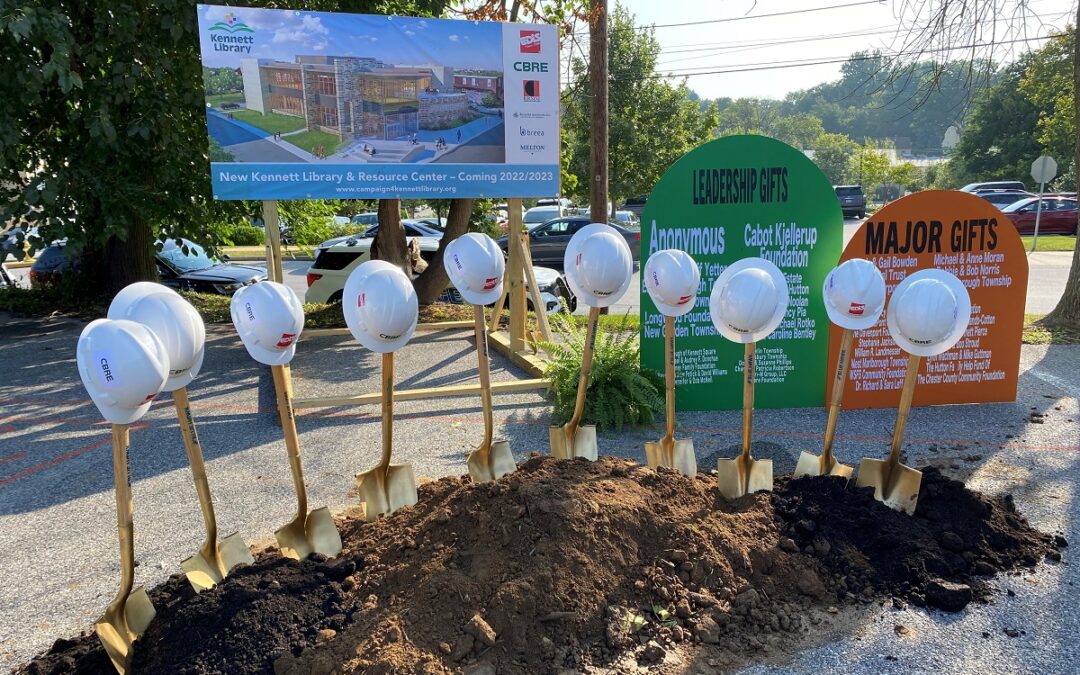
WEST CHESTER (December 8, 2021) – State Senator Carolyn Comitta announced today that she has helped secure $1.9 million in state funding for the new Kennett Library and Resource Center, a nearly 31,500-square-foot facility set for the corner of State and Willow Streets in Kennett Square.
“Education is the most powerful force for transformational change in the world,” said Comitta, an educator by trade and a member of the Senate Education Committee. “And I know that this new library and state-of-the-art resource center will be a place where children, families, residents, senior citizens, and community members can come together to learn, grow, and succeed for decades to come.”
The new Kennett Library and Resource Center, set for the corner of State and Willow Streets, will offer ample opportunity for residents and visitors to explore our cultural history and share life stories and experiences. Plans for the LEED-Gold certified facility call for a large adult library, a spacious children’s and teen space and study, quiet areas for private reading and reflection, and various-sized classrooms and flexible community rooms, all equipped with state-of-the-art audio/visual equipment, laptop, and computer access, as well as expanded digital communications technology. The facility will also include two Maker Spaces, equipped with 3D printers, large format scanner and printer, embroidery machines and computers with design software to foster creativity for both adults and children, and a resource for companies and organizations. In addition, it will offer a 110-seat auditorium for performances, discussions, meetings, and film screenings.
Located in the heart of historic downtown Kennett Square, the modern building is designed with large swaths of glass to allow abundant natural light and Avondale brown stone to reflect the region’s heritage and landscape. It will include outdoor common spaces, a sweeping second-floor terrace, and 19 off-street parking spaces. In addition to making room for an expanded book and media collection, the new facility will allow for the library to vastly expand its programming to launch new and build on existing offerings regarding adult literacy, English as a Second Language, student learning and tutoring, arts and culture, historical, and community discussion programs. The building design also incorporates energy-efficiency measures and modern health and safety systems. Perhaps most importantly, the new library will be free, open, and accessible to all, including vulnerable populations, like lower-income families, elderly residents, and those with disabilities.
Established over a century ago, the Kennett Library currently serves 45,000 residents in eight Chester County municipalities including the Borough of Kennett Square, as well as the townships of East Marlborough, Kennett, New Garden, Newlin, Pennsbury, Pocopson, and West Marlborough.
Ground was broken for the new $20 million facility in August and the organization has already raised nearly $12.5 million through public and private donations. The current facility, located just west of the new site at 216 E. State Street, is 60 years old and only 11,000 square feet.
The Redevelopment Assistance Capital Program (RACP) is a Commonwealth reimbursement grant program administered by the Office of the Budget for the acquisition and construction of regional economic, cultural, civic, recreational, and historical improvement projects. RACP projects are authorized in the state budget, have a regional or multi-jurisdictional impact, and generate substantial increases or maintain current levels of employment, tax revenues, or other measures of economic activity.
To learn more about the new Kennett Library, visit https://campaign4.kennettlibrary.org/.

December 6, 2021
WEST CHESTER (December 6, 2021) – State Senator Carolyn Comitta announced $2 million in state funding for the construction of a new office building in Tredyffrin that will support hundreds of new high-wage jobs.
The funds will support the construction of a new corporate headquarters for Equus Capital Partners, a real estate investment manager that acquires and develops office, multi-family, industrial, research and development, and retail assets.
The shovel-ready project, planned for a 10-acre site on Swedesford Road, will be the first mass-timber office headquarters in the Philadelphia market. It also calls for a two-story parking structure. Upon completion, the new building will support 660 new, high-paying jobs.
“It’s important that we continue to support projects that bring new investment and job opportunities to our region while utilizing renewable materials and sustainable building practices,” Comitta said.
The Redevelopment Assistance Capital Program (RACP) is a Commonwealth reimbursement grant program administered by the Office of the Budget for the acquisition and construction of regional economic, cultural, civic, recreational, and historical improvement projects. RACP projects are authorized in the state budget, have a regional or multi-jurisdictional impact, and generate substantial increases or maintain current levels of employment, tax revenues, or other measures of economic activity.

December 6, 2021
WEST CHESTER (December 6, 2021) – The Chester County Council, BSA will receive $750,000 in state funding for the construction and installation of expanded shower facilities at its Camp Horseshoe Scout Reservation in West Nottingham Township.
The funding, secured by state Senator Carolyn Comitta, will support the installation of three separate shower houses, as well as an additional 17 shower stalls in an existing shower house. Each of the proposed shower houses will include seven private, gender-neutral combination bathroom/shower stalls, in addition to the new shower stalls created through the renovation and modernization of the existing shower house. Both these parts of the project will help better serve all campers and leaders.
“Scouting has a rich heritage of developing character and leadership skills in our young people and it’s important that those opportunities are available and open to all children and teens,” Comitta said. “I support the Chester County Council, BSA in welcoming and encouraging equity and diversity in scouting programs and activities. These investments will help ensure that more young people can access and enjoy the wonders of summer camp while maintaining an emphasis on health and inclusivity.”
Last year, the Chester County Council, BSA was forced to close its camps due to the pandemic. With increased scout membership, camps experienced a surge in attendance this year and are already seeing more reservations for 2022. In response, the Council is now working to modernize its facilities to accommodate all campers with gender-neutral amenities.
Rated a top BSA camp in the area, Camp Horseshoe is located on the Mason-Dixon line separating Pennsylvania and Maryland, its name is derived from the Octoraro Creek, a tributary of the Susquehanna River, that makes a meandering 4-mile horseshoe through the property. The camp offers a multitude of scouting programs and opportunities, including more than 50 merit badges, a computer lab, STEM offerings, various outdoor activities, and programs for first-year and older scouts alike.
The Chester County Council, BSA is the local operation of Scouts, BSA (formerly the Boy Scouts of America), serving Chester County, Pennsylvania and the northwestern corner of Cecil County, Maryland. With a charter dating back to 1919, the Council has a rich heritage of developing character and leadership skills in youth, recently celebrating its 100th Anniversary. It serves nearly 5,000 youth annually through thousands of dedicated, talented volunteers and a small number of professional staff and it partners with over 110 community organizations to deliver quality scouting programs.
In 2018, the Scouting program began serving both boys and girls from kindergarten through fifth grade. The Scouts, BSA program launched in February 2019 and serves boys and girls, ages 11 to 18, thus allowing more young people than ever before to experience the benefits of a time-tested program that builds character and leadership.
The Redevelopment Assistance Capital Program (RACP) is a Commonwealth reimbursement grant program administered by the Office of the Budget for the acquisition and construction of regional economic, cultural, civic, recreational, and historical improvement projects. RACP projects are authorized in the state budget, have a regional or multi-jurisdictional impact, and generate substantial increases or maintain current levels of employment, tax revenues, or other measures of economic activity.
December 6, 2021
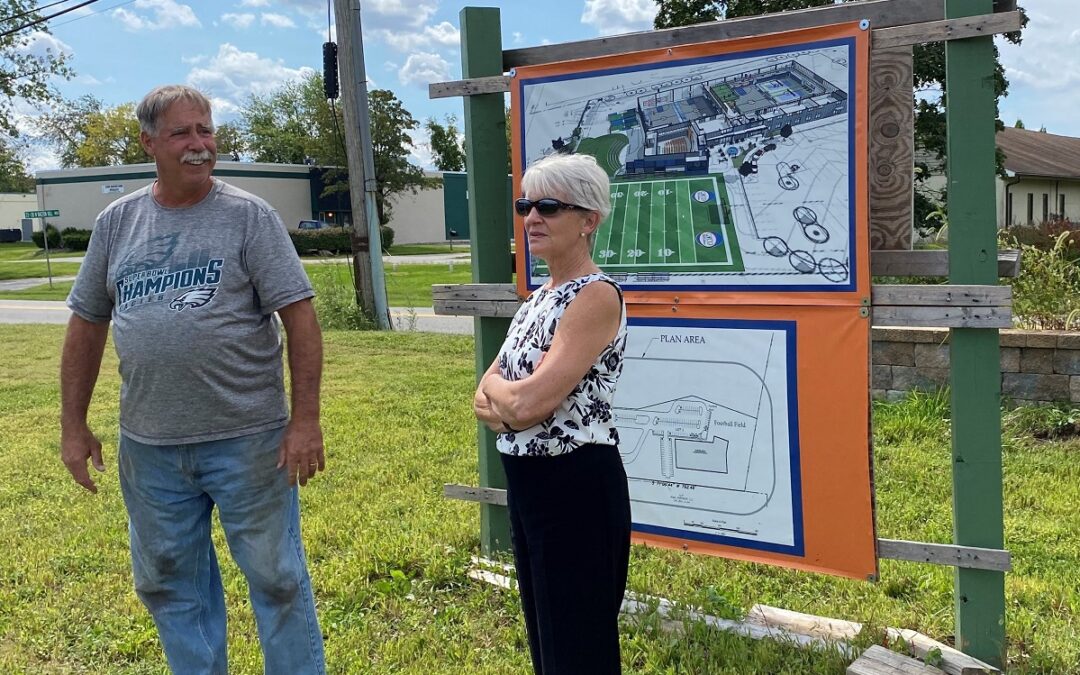
WEST CHESTER (December 6, 2021) – The Great Valley Community Organization (GVCO) will receive $750,000 in state funding for the construction of a new, state-of-the-art community center.
The funding, secured by state Senator Carolyn Comitta, will support the construction of a more than 40,000 square-foot community featuring multiple indoor sports courts, an outdoor field, a café, an elevated track and workout area, an indoor performance venue, and an outdoor amphitheater, as well as multipurpose rooms for community programs, activities, and events.
Site development and preparation work is currently underway for the center, which is planned for a seven-acre location at 17-19 N. Bacton Hill Road in East Whiteland.
“I am proud to support funding for the new Great Valley Community Center, a place where residents, families, and young people can come together to participate in athletic, artistic, creative, and career-oriented activities with a focus on health, safety, and empowerment,” Comitta said. “I thank all of the staff, volunteers, patrons, and donors who continue to work to make the new center a reality. I look forward to its completion, and have no doubt that these investments will pay dividends in the future of our young people and our community.”
GVCO is a nonprofit organization dedicated to building a strong, vibrant, and connected community by providing facilities, activities, and programs enriching the lives of all local residents. Thousands of families have participated in the organization’s activities and many of the Great Valley Area School District’s students take part in GVCO’s youth sports offerings, including basketball, football, sideline cheer, volleyball, crew, and competitive cheer.
Since its inception in 2001, it has expanded to include tutoring, arts, senior programs, community, and educational events as well as new sports to serve the entire Great Valley community. Previously, the organization had been operating out of a smaller, 10,000-square-foot facility on Bacton Hill Road, but population growth and the growing demand for expanded programs limited its offerings.
GVCO is currently undergoing a $3 million capital campaign to support the center’s construction. Learn more at www.gvco.org
December 6, 2021
WEST CHESTER (December 6, 2021) – State Senator Carolyn Comitta today added to her growing record of support for Coatesville’s revitalization, announcing an additional $2 million in state funding for the parking and transportation facility adjacent to the site of the new Coatesville Train Station.
The latest funding comes in addition to $650,000 in state multimodal transportation grant funding she helped secure for the project in the spring and a $1 million Redevelopment Assistance Capital Program (RACP) grant she announced last year.
“I know residents have been eagerly awaiting this project and construction is finally beginning,” Comitta said. “As we move forward with building the new train station and look forward to making Coatesville’s revitalization a reality, I am fully committed to supporting continued investments in the future of Chester County’s only city – a future that must include economic growth and job opportunity for residents of Coatesville and the surrounding region. This funding is just one more piece of the puzzle in that ongoing effort.”
The funding was awarded to the Redevelopment Authority (RDA) of the City of Coatesville, which is working to construct the parking facility to support the train station, widely considered a lynchpin of the city’s ongoing revitalization plans and strategic economic development vision.
The multi-level 175,000 square foot parking facility is key to the success of the train station, which currently offers Amtrak service but is expected to provide SEPTA Regional Rail service in the future.
The facility will also feature bus transportation integration, covered waiting shelters, bike racks, ample lighting, wayfinding signage, and nearly 500 parking spaces to support SEPTA, Amtrak, and Link and Kraft Bus transportation services
The multimodal commuter parking facility set for Fleetwood Street is estimated to cost more than $10 million.
Meanwhile, officials recently broke ground on the new train station with construction set to get underway soon. The revitalization project is slated to be completed by 2025 and is funded by support from Federal Transit Administration, PennDOT, and Chester County.
Prior to project design and bidding, PennDOT led multiple planning efforts with the Coatesville community to identify strategies that would revitalize the area surrounding the proposed train station. Streetscape projects on Third Avenue and Fourth Avenue completed in 2019 and 2020 improved access from Coatesville’s downtown area to the proposed new train station location.
The Redevelopment Assistance Capital Program (RACP) is a Commonwealth reimbursement grant program administered by the Office of the Budget for the acquisition and construction of regional economic, cultural, civic, recreational, and historical improvement projects. RACP projects are authorized in the state budget, have a regional or multi-jurisdictional impact, and generate substantial increases or maintain current levels of employment, tax revenues, or other measures of economic activity.

December 2, 2021
WEST CHESTER (December 2, 2021) – Two Chester County initiatives aimed to prevent gun violence are slated to receive more than $2 million to total state grant funding, state Senator Carolyn Comitta announced.
The funding, which comes through the Pennsylvania Commission on Crime and Delinquency (PCCD)’s Violence Intervention and Prevention (VIP) grant program, supports local programs to stop gun violence in neighborhoods and reduce community violence through outreach and violence interruption programs.
In Chester County, the grants that received initial approval are as follows:
- $1,520,092 to West Chester University to increase access to evidence-based, trauma-informed behavioral health care for youth and young adults in Coatesville, Pottstown, Norristown, and Reading. Mental health care providers will deliver mobile therapy via telehealth or in-person at sites in at-risk communities.
- $500,000 to the Youth Mentoring Partnership in Exton to support, expand, and enhance its mentoring, safe haven and social-emotional learning programs for middle and high school youth 11-19 years of age. It will also support reentry efforts from incarceration, through access to healthcare, stable housing, educational opportunities, and meaningful employment.
Comitta, a member of the bicameral PA Safe Caucus, said the investments will support proven strategies and programs to prevent and reduce gun violence at the community level.
“Everyone in every community deserves to live and thrive in a healthy, safe, and peaceful environment,” Comitta said. “It is critical that we invest in the efforts of our local groups and organization that are working directly with residents and on the frontlines of the crisis of gun violence. In addition, this funding offers direct and targeted support and mental health resources for those in underserved communities.”
“Gun violence is a scourge that cuts right to the heart of our communities. We must do more to prevent violence in our commonwealth and stop the trauma of violence from blighting our future,” said Governor Tom Wolf. “These grants will provide communities and local organizations with necessary resources to disrupt violence, promote healing and make our communities safer. This funding is an important next step in tackling the gun violence epidemic and reducing violence in our communities.”
Mark Mintzer, CEO of Youth Mentoring Partnership said, “The funds provided by the Commonwealth’s VIP anti-violence grant program come at an immensely critical time for the families and communities we serve. These resources will allow us to expand our collaborative efforts, including those in the greater Coatesville Area, providing vulnerable youth with additional trauma-informed mentors, safe havens, and our unique 3G social-emotional learning curriculum. Special thanks to Senator Carolyn Comitta and Chester County Commissioner Marian Moskowitz and their offices for their support around these initiatives.”
The Chester County programs come as part of $15.7 million in total grant funding initially approved to support 40 projects and programs to stop gun and community violence statewide.
More information about the VIP and PCCD’s efforts to address gun violence, can be found under the Gun Violence tab on www.pccd.pa.gov.
###

November 29, 2021
WEST CHESTER (November 29, 2021) – State Senator Carolyn Comitta will host a healthcare enrollment townhall with experts from Pennie, the official health insurance marketplace for Pennsylvania, and the Pennsylvania Association of Community Health Centers (PACHC) on Monday, December 6, 2021, at 7 p.m. at West Chester Borough Hall.
Comitta, who serves on the Senate Health and Human Services Committee, encouraged anyone who has questions about shopping for health insurance to attend. <<REGISTER NOW>>
“The pandemic has highlighted the importance of having healthcare coverage to protect your health and your budget. And Pennie is the one-stop-shop for options and resources to find the coverage you need to access quality, affordable care,” Comitta said. “If you have questions or feel overwhelmed with the idea of shopping for healthcare, please consider attending our townhall, so you can hear directly from experts about all the available options to apply, shop, and enroll.”
Anyone can buy insurance through Pennie and the other ACA marketplaces, but they are typically designed for people who do not have insurance through an employer, and are not eligible for Medicare, which covers seniors and people with disabilities, or Medicaid, which is for low-income individuals and families. Currently, there are nearly 344,000 Pennie customers throughout Pennsylvania.
The open enrollment period for coverage through Pennie is now underway. If you sign up by December 15, you’re guaranteed to be covered by the New Year. Those who sign up after December 15 will start coverage February 1, 2022.
Townhall attendees will hear from Zachary Sherman, Pennie Executive Director, and Erik Huet, Pennie’s Legislative Liaison, about Pennsylvania’s healthcare marketplace and the many resources available. Following the presentation and Q&A with Senator Comitta and her guests from Pennie, individuals will be able to speak one on one with staff from PACHC to learn more about specific options available to them and their families.
“Pennie’s 2022 Open Enrollment Period runs from November 1 to January 15, 2022, with December 15 marking the deadline for coverage beginning New Year’s Day. All uninsured Pennsylvanians, even those who previously thought health coverage was unobtainable, should visit Pennie.com or attend a local townhall event to see how things have changed,” said Zach Sherman, Pennie Executive Director. “I look forward to joining Senator Comitta to discuss Pennie’s offerings and options that are available to improve the financial security and peace of mind of our customers.”
As a result of the American Rescue Plan, affordable coverage has never been more accessible for so many Pennsylvanians. Nine out of 10 Pennie customers qualify for savings which have increased in value for low-income individuals, working families, and near-retirees.
Individuals interested in attending the ACA/Pennie Healthcare Enrollment Townhall can register at www.pasenatorcomitta.com/aca.
For those who cannot make it in person, the event will be livestreamed on the Senator’s Facebook page www.facebook.com/SenatorComitta and www.pasenatorcomitta.com/live/
November 22, 2021
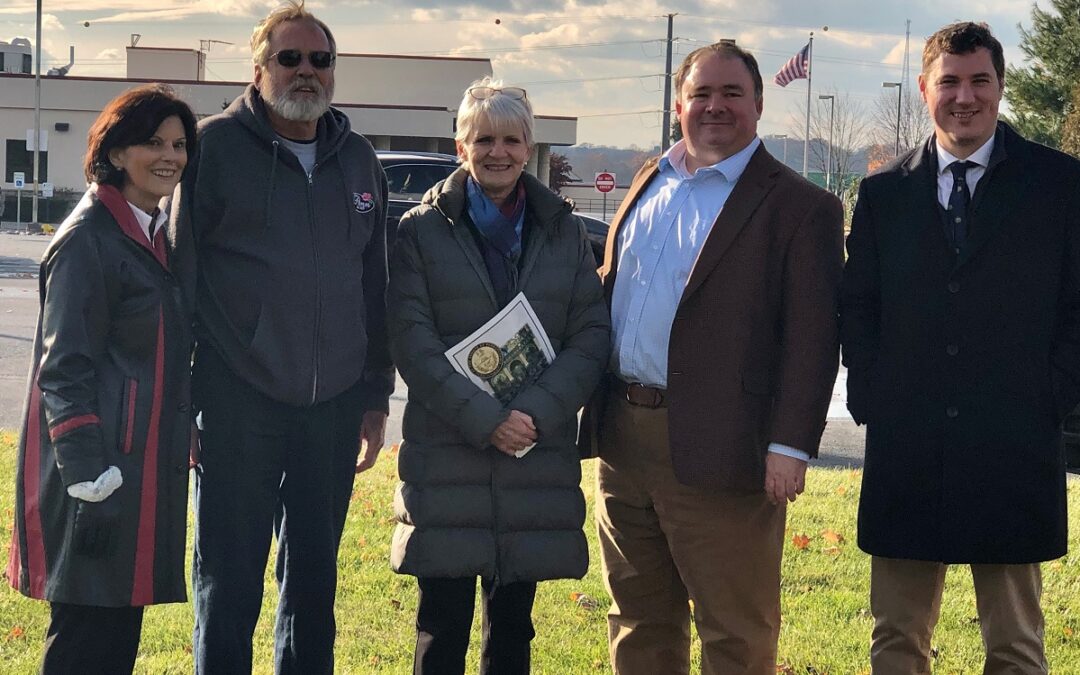
WEST GROVE – Rep. John Lawrence was joined by state Senator Senator Carolyn Comitta, Chester County Commissioners Marian Moskowitz, Josh Maxwell, and Michelle Kichline, Penn Township Supervisor Victor Mantegna, and other local officials at the Penn Township Building earlier today to announce the continued operation of Jennersville Hospital. The hospital had been slated for closure at the end of the year by its current owner, Tower Health.
“Today’s announcement is welcome news for our community,” said Rep. John Lawrence. “For the past seven weeks, we have worked night and day to find a solution to keep this facility open for the people of our community, and keep this Emergency Room open for the acute medical needs of our area. I am so grateful for each person that contacted my office to voice their support, and especially to the hardworking first responders with Medic 94, Union Fire Company, and West Grove Fire Company, who serve our community with such dedication. Keeping the Jennersville ER open is critical both for them and our community.”
“This is a win for the community that was driven by the community – the residents, patients, staff, doctors, nurses, and medical personnel served by and employed by Jennersville Hospital,” said state Senator Carolyn Comitta. “They spoke up and stood up. Together, we worked with various stakeholders to amplify their voices and ensure that this vital community asset and center for medical and emergency care in southern Chester County is preserved. I want to thank our local municipalities, the Chester County Commissioners, our bipartisan legislative delegation, the Pennsylvania Department of Health, and Tower Health for finding a solution to save Jennersville Hospital.”
Canyon Atlantic Partners will assume ownership and operation of Jennersville Hospital effective Jan. 1, 2022. The announcement follows Tower’s previous decision to close Jennersville at the end of 2021. Based in Reading, Tower Health purchased five local hospitals, including Jennersville Hospital, for $423 million in 2017.
Chester County Commissioners Marian Moskowitz, Josh Maxwell and Michelle Kichline said, “Confirmation that hospital services, especially emergency treatment, will continue at Jennersville and Brandywine is excellent news, and we are grateful to the leadership at Tower Health for working to find a way to keep the operations going. Together with Representative Lawrence and Senator Comitta, we have been trying to secure ways to keep Jennersville and Brandywine open. We look forward to working with the new hospital operator to ensure the range of healthcare services continue.”
Lawrence, Comitta, and Moskowitz participated in numerous calls and in-person meetings after Tower’s abrupt late-September closure announcement. A particular focus developed in keeping the Emergency Room open, with alternate facilities more than 40 minutes away. Recent population increases and the growth of senior living options across the southern part of the county also contributed to the need to find a solution.
“Jennersville Hospital has faithfully provided for the health, safety and welfare of southern Chester County residents for over 100 years,” said Victor Mantegna, Chair of the Penn Township Board of Supervisors. “The news of its imminent closure was both devastating and constituted a substantial threat to our community at large, PA State Police, and emergency services. Today is a great day as we celebrate the continued presence of this health providing organization in the community of Penn Township. On behalf of the Penn Supervisors, community of Penn and our neighboring townships throughout southern Chester County, I would like to thank our PA Department of Health, Senator Comitta, Representative Lawrence, our Chester County Commissioners, Board of Supervisors, staff and Tower Health for working diligently together to preserve our Jennersville Hospital with this sale. We look forward to continuing our close partnership with Jennersville Hospital and working hand in hand with its new owners for years to come as we continue to work to keep our community healthy, safe, and well.”
###

November 22, 2021
WEST CHESTER (November 22, 2021) – Residents, businesses, and families who wish to give back to children and families in need this holiday season can donate to Toys for Tots of Chester and Southern Montgomery Counties via a drop box located at the district office of state Senator Carolyn Comitta.
Now through December 15th, new and unwrapped toys can be dropped off at the atrium of 17 East Gay Street in downtown West Chester. The office is open during regular business hours, Monday through Friday, from 9 a.m. to 5 p.m.
Residents can also stop by one of Senator Comitta’s mobile/senior outreach offices to drop off their donations.
“Every child deserves the opportunity to experience the joy and magic of the holiday season,” state Senator Carolyn Comitta said. “For nearly 75 years, Toys for Tots and its volunteers, and donors have been working to make that happen. This year, I am again thrilled to support their efforts. The season of gift-giving is here, and I thank everyone who helps spread the cheer to those in need.”
In addition, donations are accepted and encouraged at any number of Toys for Tots collection sites throughout the area. To find a collection site, visit https://chester-county-pa.toysfortots.org/
Donations may include new and unwrapped toys such as:
- Dolls/Barbies
- Stuffed animals
- Art, Jewelry, Nail and Craft Kits
- Board games/Puzzles
- Action figures
- Radio control cars/trucks
- Hand-held electronics
- Sporting goods
- Books
- STEM Science kids
- Legos
This year, so far, Toys for Tots of Chester and Southern Montgomery Counties has received applications for nearly 15,000 children. In addition to providing gifts for younger children, the group also collects and distributes holiday gifts to young people and teens up to 18 years old.
In fact, according to organizers, gifts for older children and teens, including those between ages 8 and 10 and 10 and up, tend to be needed. To close the gap, the organization often utilizes donated funds to purchase age-appropriate gifts for them, such as books, games, makeup and nail polish sets, inexpensive (but not gaudy) jewelry, cologne and perfume sets, and electronics like LED lights and Blue-tooth headphones.
While toy and gift donations for all ages are appreciated, organizers also ask that supporters not donate clothes as they cannot distribute them and must be passed along to other appropriate local agencies.
Toys for Tots of Chester and Southern Montgomery Counties serves all of Chester County, as well as a small portion of Montgomery County centered on Norristown that is not covered by another campaign.
According to its website, last year the group collected and distributed 20,161 toys to 10,227 children.
Since 1947, Toys for Tots distributes toys to children from homes that cannot afford to buy gifts for the holidays. In that time 604 million toys have been collected and distributed to 272 million children.
The program is a 501(c)(3) not-for-profit public charity run by the United States Marine Corps Reserve Foundation. According to its website, it remains a top-rated charity, with more than 97 percent of donations going directly to its mission of providing toys, books, and other gifts children in need. The 3 percent spent on support principally covers fundraising expenses — not one donated dollar goes to salaries or any other manpower costs.

November 19, 2021
WEST CHESTER (November 19, 2021) – State Senator Carolyn Comitta and state Rep. Christina Sappey announced that more than $2.5 million in state funding has been awarded to four projects in Chester County that will enhance transportation safety and expand opportunities for outdoor recreation.
“Continued investments in our transportation infrastructure, our trail network, and access to our preserved open space will pay dividends in the health, safety, well-being, and overall quality of life in our Chester County communities,” Comitta said. “These projects represent exciting opportunities for more residents, families, and visitors to enjoy everything our region has to offer.”
“I’m thrilled that this funding has been approved to support outstanding local projects. These grants increase safety and traffic flow, connect communities by trail, conserve open space and provide recreation opportunities,” said Sappey. “I was pleased to support these applications for funding and look forward to seeing the results.”
The projects, approved today by the Commonwealth Financing Authority, are financed through two sources, the Multimodal Transportation Fund, and the Greenways, Trails and Recreation Program.
The projects are as follows:
- $1.47 million from the Multimodal Transportation Fund for streetscape improvements along Birch Street and construction of a railroad underpass as part of the Kennett Greenway Project. The greenway project calls for a 14 mile multi-purpose trail loop connecting the greater Kennett area, including New Garden and East Marlborough township communities. The proposed railroad underpass will include a new 10-foot-wide multi-use trail approaching an 8-foot high by 12-foot-wide underpass, to be located beneath the East Penn Railroad, with pedestrian lighting.
- $1 million for West Bradford Township through the Multimodal Transportation Fund for traffic safety improvements at the intersection of Marshallton-Thorndale Road and Poorhouse Road.
- $100,000 for New Garden Township through the Greenways, Trails and Recreation Funds to support rehabilitation efforts at St. Anthony’s in the Hills. Phase I of rehabilitation includes adding accessible paved trail and parking, sidewalks, recreation features and sustainable improvements. In 2019, Sappey helped the township secure $60,000 in funding for the acquisition of the property.
- $25,000 for Natural Lands Trust in Greenways, Trails and Recreation Funds for improvements to the bridge at the Stroud Preserve that connects the parking lot to the Preserve and trail system.
The Multimodal Transportation Fund provides grants to encourage economic development and ensure that a safe and reliable system of transportation is available to the residents of the commonwealth. Eligible projects include the development, rehabilitation and enhancement of transportation assets to existing communities, streetscape, lighting, sidewalk enhancement, pedestrian safety, connectivity of transportation assets and transit-oriented development.
Act 13 of 2012 established the Marcellus Legacy Fund and allocates funds to the CFA for planning, acquisition, development, rehabilitation and repair of greenways, recreational trails, open space, parks and beautification projects using the Greenways, Trails and Recreation Program.
The CFA was established in 2004 as an independent agency of the Department of Community and Economic Development to administer Pennsylvania’s economic stimulus packages. The CFA holds fiduciary responsibility over the funding of programs and investments in Pennsylvania’s economic growth. Unique among state agencies in structure and scope, the CFA consists of seven board members: four legislative appointees and the secretaries of DCED, the Office of the Budget, and Department of Banking and Securities.

November 19, 2021
WEST CHESTER (November 19, 2021) – State Senator Carolyn Comitta and state Rep. Kristine Howard announced today that nearly $700,000 in state funding has been awarded to improve the intersection of Phoenixville Pike and Yellow Springs Road/Sidley Road in East Whiteland Township
The funding, approved today by the Commonwealth Financing Authority (CFA), will support widening the intersection to create turning lanes and upgrading the traffic signal to enhance safety and reduce congestion.
“This investment will improve safety at a key intersection that is traveled each day by many students, parents, teachers, and staff at Great Valley High School and Middle School, as well as employees and commuters working in business centers along the Route 202 corridor,” Comitta said. “I strongly support this and other investments in our transportation system as part of an ongoing local, statewide, and national push to upgrade our infrastructure.”
“This grant is an investment and commitment from the state to update our aging infrastructure,” Howard said. “It will go a long way to improve a key economic area of our region and meet both current and future needs.”
The Multimodal Transportation Fund provides grants to encourage economic development and ensure that a safe and reliable system of transportation is available to the residents of the commonwealth. Eligible projects include the development, rehabilitation and enhancement of transportation assets to existing communities, streetscape, lighting, sidewalk enhancement, pedestrian safety, connectivity of transportation assets and transit-oriented development.
The CFA was established in 2004 as an independent agency of the Department of Community and Economic Development to administer Pennsylvania’s economic stimulus packages. The CFA holds fiduciary responsibility over the funding of programs and investments in Pennsylvania’s economic growth. Unique among state agencies in structure and scope, the CFA consists of seven board members: four legislative appointees and the secretaries of DCED, the Office of the Budget, and Department of Banking and Securities.