March 22, 2022
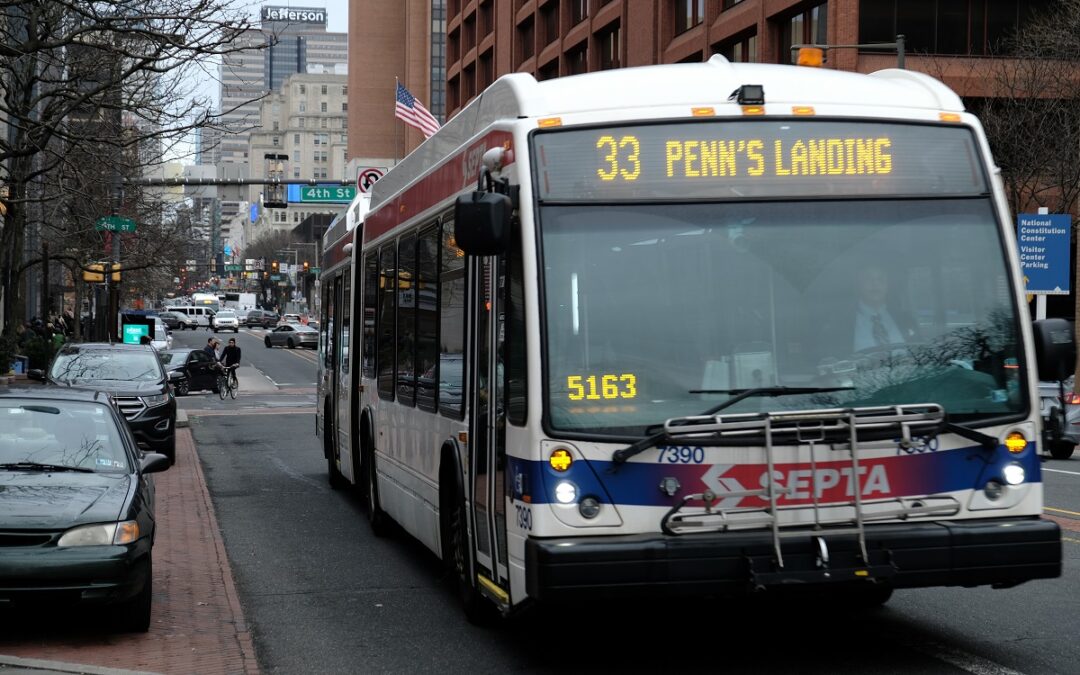
West Chester, Pa (March 22, 2022) – Chester County senior citizens can now renew their SEPTA Key Senior ID Cards at state Senator Carolyn Comitta’s West Chester District Office.
While SEPTA has extended all cards through the year, going forward the new option to renew locally will provide an added convenience for the many seniors who rely on the free and reduced fare program. Previously, seniors had to travel to the SEPTA Headquarters in Philadelphia to renew their cards, which are valid for four years.
“We welcome this new and easier way for seniors to renew their SEPTA Key Senior ID Cards at my district office and other state legislative offices in our region,” Comitta said. “It just makes sense that seniors can renew their cards right here – the same place where many applied to begin with. I encourage all seniors to take advantage of the SEPTA Key senior fare program as a valuable and no-cost option to travel with ease.”
The cards enable seniors, aged 65 years and older to ride free at all times on all Transit Routes (Bus, Trolley, Trackless Trolley, Broad Street/Broad Ridge Spur Line, Market Frankford Line/Norristown High Speed Line) and on Regional Rail for travel to/from stations located in the Commonwealth of Pennsylvania. They also allow seniors to pay a discounted fare rate for travel to/from New Jersey and Delaware.
Earlier this year, SEPTA extended the expiration dates for Senior Key ID Cards with 2020, 2021 and 2022 expiration dates. Cards with printed expiration dates of 2020, 2021 and 2022 will remain effective through the end of the month printed on the card in 2023.
Seniors who are still interested in renewing their cards or applying for cards for the first time are highly encouraged to schedule an appointment at Senator Comitta’s West Chester District Office, 17 E. Gay Street, Suite 301, by calling (610) 692-2112 or emailing senatorcomitta@pasenate.com
Renewal applicants should bring in their expired SEPTA Key card and state-issued ID.
First-time applicants must provide their driver’s license or state-issued ID.
Please know that renewals processed at legislative offices will take two weeks for processing. Applicants will receive the new card in the mail. If you wish for a new card to be issued same-day, you must schedule an appointment to renew at SEPTA Headquarters (1234 Market St., Philadelphia).
If your SEPTA Key Senior Card was lost or stolen, you must immediately call the Key Customer Call Center at 855-567-3782 (this is not SEPTA Customer Service). For more information about the SEPTA Key card program, visit www.septa.org.
###

March 14, 2022
West Chester, Pa – Chester County residents interested in supporting the people of Ukraine and the victims and refugees of the war there can now drop off donated items at the office of State Senator Carolyn Comitta.
Comitta has partnered with Chester County Hospital to collect donations of medical supplies, hygiene products, and necessities for children and babies through the United Ukrainian American Relief Committee, Inc (UUARC).
“It is estimated that 2.8 million Ukrainians have fled their country since Russia’s invasion. Many others, including children, families, and the elderly, have been injured and upended by the escalating violence,” Comitta said. “The outpouring of support and compassion for the people of Ukraine and their independence is a testament to our shared values as Americans, Pennsylvanians, and Chester Countians. Thank you to everyone who has donated.”
Now through March 24, items can be donated via a collection box at Comitta’s West Chester District Office, located at 17 East Gay Street in downtown West Chester. The building is open Monday through Friday during regular office hours.
All donations support humanitarian aid to victims of war in Ukraine.
Requested items include:
For Children and Babies:
- Children’s fever and pain medicine: Tylenol, Benadryl, Ibuprofen (at least a year prior to expiration date)
- Thermometers
- Pacifiers
- Baby bottles
- Diaper rash cream
- Baby wipes
- Hand and foot warmers
For the Elderly:
- Canes, crutches, walkers, wheelchair
- Adult diapers
- Pain relief medicine: Tylenol, Ibuprofen (at least a year prior expiration date)
Hygiene Products:
- Bar soap
- Toothpaste and toothbrushes
- Feminine hygiene products
- Adult diapers
- Children’s diapers
- Wipes
- Towels, blankets, sleeping bags
Other Critical Needs:
- Water purifiers
- Water purifying pills or straws
Please note: no clothing items are being collected at this time.
Residents can also stop by one of Senator Comitta’s mobile/senior outreach offices to drop off their donations.
With millions more potential victims in Ukraine, UURAC is collecting donations to provide vital medical supplies to victims, the injured, and refugees. According to its website, the organization is working closely with other groups and the Ukrainian Embassy to coordinate aid.

March 14, 2022
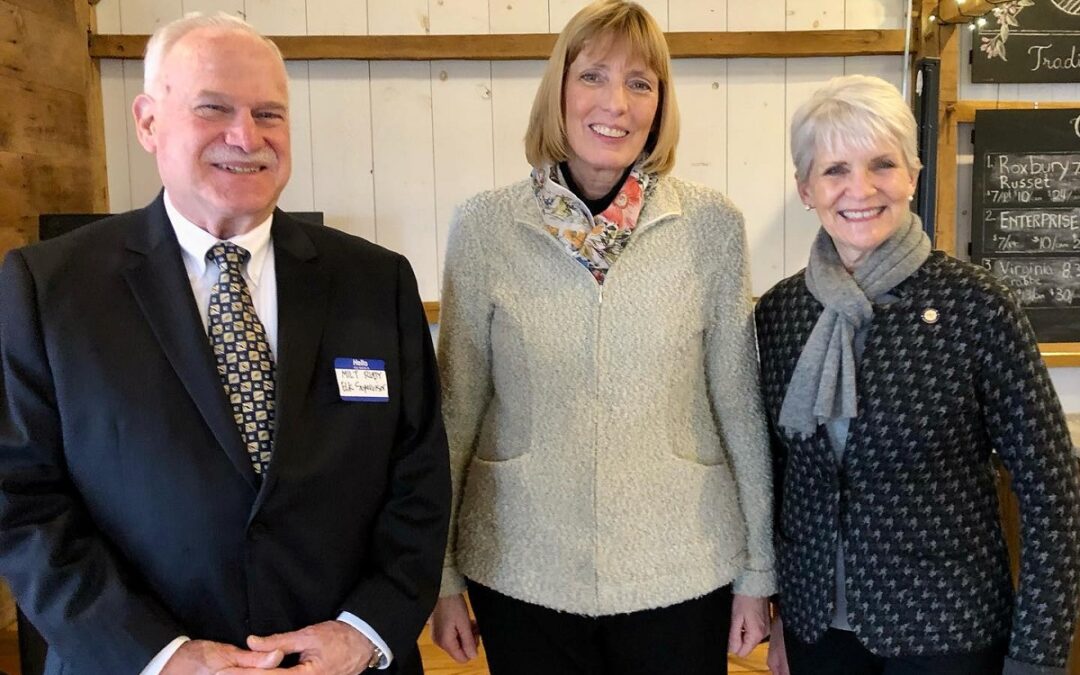
West Grove, Pa – State Senator Carolyn Comitta recently joined Pennsylvania Agriculture Secretary Russell Redding and Department of Community and Economic Development Acting Deputy Secretary Mandy Book at Chester County’s To-Jo Mushrooms, Inc., on the Food Fuels Pennsylvania tour. The company’s West Grove processing facility demonstrates how Pennsylvania’s $746 million mushroom industry powers jobs and innovation and fuels our state economy.
“The growers of this region are what make the ‘Mushroom Capital of the World’ the perfect place to highlight how Food Fuels Pennsylvania,” said Secretary Redding. “Food brings people together and fuels both our bodies and our livelihoods, thanks to innovative farmers and food manufacturers who feed the commonwealth and the world.”
Pennsylvania’s mushroom industry leads the nation in production, with nearly 60% of all mushroom production occurring in southeast Pennsylvania and nearly two-thirds of all mushrooms harvested in the U.S. are harvested in Chester County. The industry supports more than 9,300 jobs and contributes $1.2 billion to the economy.
“Agriculture is a leading industry in Pennsylvania and here in Chester County, our mushroom industry is world-class,” said state Senator Carolyn Comitta, who serves on the Senate Agriculture and Rural Affairs Committee. “I want to thank Secretary Redding and To-Jo Mushrooms for highlighting and promoting mushrooms as fresh, nutritious, locally grown food products that fuel our economy and our workforce. And I look forward to working with the Department of Agriculture and partners like the American Mushroom Institute to support continued growth, innovation, and success in the mushroom industry.”
Pennsylvania agriculture is a $132.5 billion industry that supports nearly 53,000 farms and more than 593,000 jobs each year. Food manufacturing is one of the largest sectors of the commonwealth’s agriculture industry, supporting 140,000 jobs and contributing $22.4 billion to the state’s economy annually.
“Agriculture continues to be an essential part of industry in Pennsylvania with food manufacturers like To-Jo Mushrooms helping to fuel our economy and create jobs,” said Mandy Book, DCED Acting Deputy Secretary.
Pennsylvania has faced an agricultural workforce shortage that at one point estimated a deficit of 75,000 workers as farmers retire and new technology-based positions become available. In recognition of workforce needs and agriculture’s importance to the economy, the Wolf Administration partnered with Team Pennsylvania to analyze economic trends and workforce needs. The 2021 Economic Impact of Agriculture in PennsylvaniaOpens In A New Window report defines the commonwealth’s unique agricultural landscape, quantified economics and workforce impacts.
“The mushroom industry’s economic ecosystem is like its growing ecosystem—complex, interwoven, and highly sophisticated,” said Rachel Roberts, president of the American Mushroom Institute. “Compost is formulated specifically for mushrooms to grow in. Harvesters train for months to identify and select mushrooms from the growing beds to match the buyer’s specs. Haulers get a mushroom harvested today on the shelf anywhere in the United States in one to three days. Large and small machine operators operate systems from frontloaders to mushroom packing lines. Controlled environment technicians make sure a mushroom house feels like a temperate forest home for mushrooms all year round. The beauty of all this effort is a delicious product unlike any other that can be added to breakfast, lunch and dinner meals to add essential nutrients and flavor.”
“AgConnect has had the opportunity to partner with our agriculture businesses to provide workforce training programs for the past decade,” said Gary W. Smith, President of the Chester County Economic Development Council. “Notably, AgConnect, in partnership with the American Mushroom Institute and the PA Department of Labor and Industry, has provided training for hundreds of employees on dozens of our Berks and Chester County mushroom farms in the areas of workplace safety, lock out tag out, CPR and AED training, and supervisor leadership training. These trainings have provided valuable opportunities for workers.”
To-Jo, a PA Preferred® member, is a fourth generation, family owned and operated grower-shipper of fresh and prepared mushrooms for both the food service and retail industries. PA Preferred is the statewide promotional program helping consumers recognize locally grown products and offering marketing opportunities to growers. The PA Preferred symbol assures consumers that what they are buying is produced in Pennsylvania by Pennsylvanians.
Since 2019, the PA Farm Bill has invested more than $7 million in the PA Preferred program to grow support of the overall program, bolster enrollment in the Homegrown by Heroes program, and create opportunities in organic agriculture. These investments help qualified businesses of all sizes compete in the marketplace and connect with consumers.
Find more info online at papreferred.com. For more information on Pennsylvania’s work to strengthen the resilience of Pennsylvania agriculture visit agriculture.pa.gov.
March 10, 2022
Elk Township, Pa – State Senator Carolyn Comitta recently joined Pennsylvania Department of Conservation and Natural Resources (DCNR) Secretary Cindy Adams Dunn today announced the department had awarded a $754,300 grant for a major addition at White Clay Creek Preserve.
“White Clay Creek Preserve is integral to providing outdoor recreation opportunities in this community and the region at large, which is why we are pleased to make today’s grant announcement,” Dunn said. “I am grateful for the positive impact this acquisition, and the incredible work being done locally to help protect and expand public lands, will undoubtedly have in the future.”
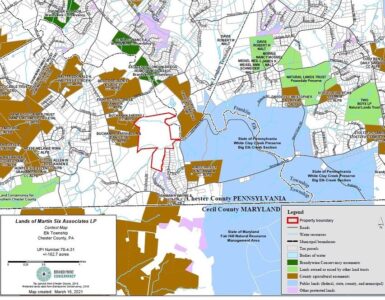 The acquisition of the Martin tract adds 162 acres to White Clay Creek Preserve for additional recreation space. The 3,050-acre White Clay Creek Preserve is in southern Chester County, three miles north of Newark, Delaware, and offers outstanding scenic, wildlife, recreational, and cultural value. It has been designated by Congress as a National Wild and Scenic River, and shall be preserved in free-flowing condition for the benefit and enjoyment of present and future generations.
“Elk Township is very happy to receive over $750,000 from DCNR towards the purchase of the 162-acre Martin Tract,” said Melanie Ryan, a member of the Elk Creek Watershed Association and of the Elk township Open Space Board. “This property contains significant woodlands, wildlife habitat, and headwater streams to the Big Elk Creek. The Martin property is an extension of the Big Elk Section of the White Clay Preserve in southern Chester County.”
Comitta, who serves as minority chair of the Senate Environmental Resources and Energy Committee, praised the effort to conserve, protect, and add to the White Clay Creek Preserve as the product of years of work and significant investment across a collaborative partnership of state, local, and nonprofit organizations.
“Every time we preserve our open spaces and watersheds, we’re supporting the constitutional right of all Pennsylvanians to ‘clean air, pure water, and the preservation of the natural, scenic, historic and esthetic values of the environment,’” she said. “I thank DCNR for this investment in expanding the White Clay Creek Preserve. And I continue to work to ensure that the preserve and this new addition can be accessed and enjoyed by all residents, families, and visitors for generations to come.”
DCNR provides grants to myriad projects across the commonwealth annually, including a $70 million investment during the 2021-22 fiscal year. Its Community Conservation Partnerships Program grants can fund:
- Planning, acquisition, and development of public parks and recreation areas
- Motorized and non-motorized trails
- River conservation and access
- Heritage areas and facilities
- Conservation of critical habitat, natural areas and open space
Eligible applicants for these grants include counties, municipalities, municipal agencies, nonprofit organizations, state heritage areas, prequalified land trusts, and for-profit enterprises (for some grant types). Grant funding for the program comes from a variety of state funding sources including Keystone Recreation, Park and Conservation Fund, Environmental Stewardship Fund, ATV and Snowmobile Management Restricted Accounts, Pennsylvania Heritage Area Program and federal sources including the Recreational Trails Program and the Land and Water Conservation Fund. DCNR selects the most appropriate funding source based on the applicant and proposed project.
More than 220 land acquisition projects have been awarded under the administration of Gov. Tom Wolf, leading to the permanent protection of 37,000 acres of publicly accessible open space across the commonwealth.
February 25, 2022
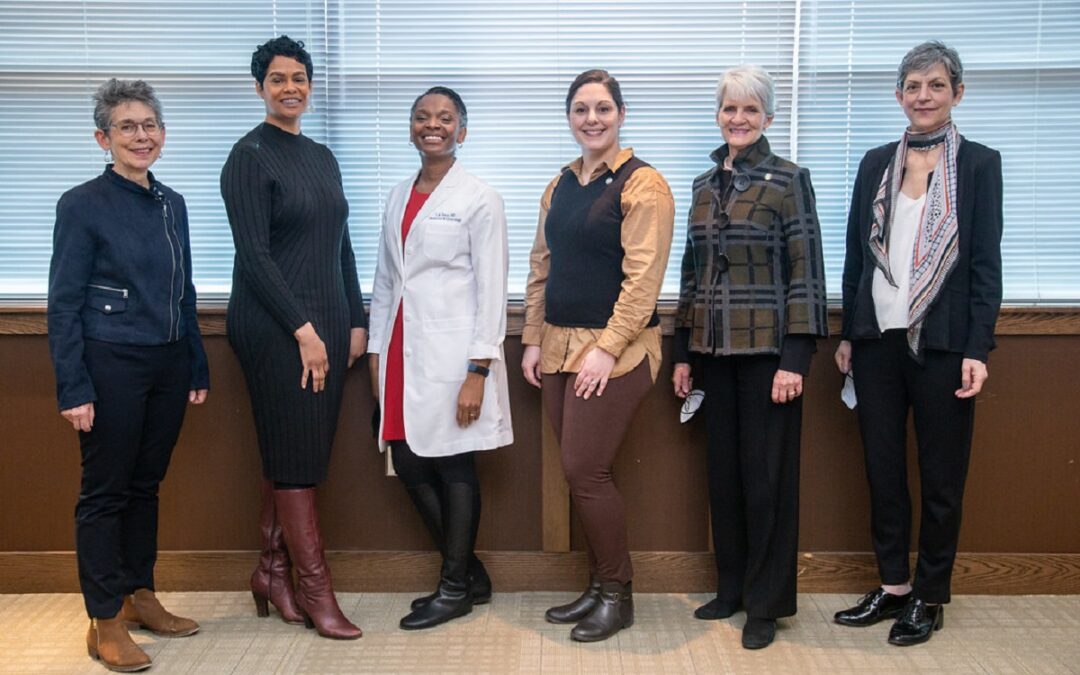
Phoenixville, Pa – The co-chairs of the Pennsylvania Women’s Health Caucus (WHC) hosted a press conference today at Tower Health in Phoenixville to applaud the Pennsylvania Department of Human Services’ decision to opt in our Medicaid program for postpartum individuals.
“As a public health expert, it is important that we prioritize our resources in ways that will ensure better health outcomes for all Pennsylvanians,” said Senator Amanda M. Cappelletti and co-chair of the Women’s Health Caucus. “Birthing individuals can experience health complications up to one year postpartum and beyond. By extending Medicaid coverage to one year, we are improving maternal mortality and morbidity, improving childhood health outcomes, and ensuring a healthy start for Pennsylvania families.”
As part of President Biden’s American Rescue Plan, this provides a federal option for states to extend Medicaid coverage for postpartum individuals from 60 days to one year. The program will start on April 1, 2022 and be available for five years in Pennsylvania.
“It’s clear that 60 days of postpartum coverage is not only insufficient, it’s also dangerous,” said Senator Judy Schwank and co-chair of the Women’s Health Caucus. “By extending postpartum Medicaid coverage from 60 days to 12 months, Pennsylvania is seizing a major opportunity to address the shocking rate of postpartum morbidity and mortality we are seeing. Opt-In PA raises awareness about this decision, which will undoubtedly save lives, and encourages everyone to join the Women’s Health Caucus in our fight to address the maternal mortality crisis with the urgency it deserves.”
“Along with my colleagues in the Women’s Health Caucus, I am grateful that Pennsylvania is taking this important step in the right direction by extending postpartum coverage for Medicaid patients from the current 60 days to a full 12 months,” said Representative Mary Jo Daley and co-chair of the Women’s Health Caucus.
“Extending Medicaid coverage to one year postpartum will benefit all Pennsylvania families, especially those in communities of color where maternal mortality is significantly more prevalent,” said Senator Carolyn Comitta and member of the Women’s Health Caucus. “The first year postpartum is a crucial time for new mothers, parents, and babies. Expanded coverage under Medicaid will not only save lives. It also means more time and more opportunity to focus on recovery from childbirth, mental health, preventative care, self-care, and overall wellness as families adjust to the new roles, joys, and challenges that come with a new baby.”
“As DHS seeks to enhance supports available to perinatal and parenting families, this extension of postpartum Medicaid coverage will help new moms continue to access physical and behavioral health care necessary to keep themselves healthy and their families on a path to good health and well-being,” said DHS Senior Advisor Sara Goulet. “We cannot leave mothers alone during such a vulnerable and foundational time for their child’s and their own futures. Moms, babies, and all parents raising children deserve more, and this is our opportunity to continue to do better.”
“Statistics show that over half of the postpartum maternal deaths happen after the current 60 day Medicaid coverage after giving birth,” said Representative Melissa Shusterman and member of the Women’s Health Caucus. “Opting in to the Maternal Medicaid Extension offered through the American Rescue plan is a simple way that we can address postpartum mortality deaths in Pennsylvania. This is a commonsense decision that will save lives.”
“As an OBGYN, I have seen firsthand how a lapse in access to medical care affects women and families,” said Dr. Carlene Denis, MD, Phoenixville Hospital Medical Staff President Elect and OB/GYN with Axia Women’s Health – Valley Forge. “Extending coverage can help meet our current maternal health needs and protect our most vulnerable. Moms can’t wait.”
To learn more about this program, you can visit the Department of Human Services’ website.
If you missed our press conference, view the livestream here.

February 24, 2022
The Pennsylvania Association of Nonprofit Organizations (PANO) is receiving $250,000 in federal American Rescue Plan Act (ARPA) funding to support nonprofit organizations throughout the Commonwealth.
The grant funding, allocated through the Pennsylvania Department of Community and Economic Development with support from state Senators Carolyn Comitta and Tim Kearney, will address the increased need for technical assistance and training resulting from the pandemic.
Since COVID-19’s beginning, Pennsylvania nonprofits have seen an overwhelming (nearly 20 percent) increase in service demand. According to PANO, demand for the top two needs – housing and utility assistance – has experienced increases of 17 percent and 19 percent respectively. In addition to an increased demand for services, 87 percent of nonprofits experienced a negative financial impact due to COVID. More recently, many nonprofits are facing significant turnover of qualified employees, an estimated 79 percent of which is attributed to the inability to offer competitive salaries.
Struggling to manage a sharp rise in service demands with a reduced workforce, nonprofits increasingly turn to PANO for technical assistance and training on issues like pandemic-related legal, funding, and HR requirements; flexible strategy and budget development; racial justice programming; and governance support. In turn, PANO’s service requests have increased by 60 percent since COVID’s beginning.
“PANO is particularly grateful for Senators Comitta and Kearney’s assistance in securing this funding, in recognition of the critical work of nonprofits throughout the state who have worked tirelessly throughout the pandemic,” said PANO Executive Director Anne Gingerich. “Eighty-eight percent of all nonprofits have budgets of under $500,000, and thus often lack organizational capacity. PANO walks alongside these organizations, assisting them to reach the capacity needed for mission fulfillment. With their support, the Senators elevate the value of PANO and the nonprofit professionals who find needed resources and connect with each other through PANO’s work.”
The ARPA funding will be used by PANO to support its nonprofit partner organizations by offering:
- Nonprofit helpdesk support for all things related to nonprofit management and governance.
- Online workshops and a hybrid conference to connect nonprofit professionals to expertise and to each other.
- Access to Standards for Excellence resource packets, which include the most up-to-date guidance related to nonprofit law and legal resources governing nonprofit organizations in Pennsylvania.
- Community-based cohorts designed to reshape organizational policies and practices through a racial justice lens, addressing a need identified by nonprofits elevated during the pandemic.
“Like businesses and families across Pennsylvania and the nation, the COVID-pandemic has had a significant impact on nonprofit organizations. Facing a heightened demand and reduced staff, many local nonprofits are already doing more with less,” said Comitta. “This investment in PANO and its nonprofit network will help organizations continue to operate effectively and efficiently in meeting the needs of individuals, children, and families. Our communities rely on nonprofits and our nonprofits deserve to know that they can count on PANO and our legislative leaders for much-needed support.”
“Nonprofit organizations take care of our local communities, and we need to make sure they have the support needed to comply with local, state, and federal financial and ethical guidelines while also planning and growing their business and services,” said Kearney. “PANO is a smart investment that can provide the level of board and organizational development and growth required for such a big lift. I will continue to champion for funding to support nonprofits and other organizations that look to better our communities and serve constituents.”
Kearney, Comitta and Gingerich also thanked Pennsylvania Senate Democratic Leader Jay Costa and Senate Democratic Appropriations Committee Chair Vincent Hughes for their work in allocating the funding, as well as U.S. Reps. Chrissy Houlahan and Mary Gay Scanlon for supporting the American Rescue Plan.
“Before serving our community in Congress, I led an early childhood literacy nonprofit in southeastern Pennsylvania,” said Rep. Houlahan. “So, I understand firsthand how vital nonprofits are, especially in times like these when we’ve seen demand for these community services increase dramatically as a result of the pandemic. I’m thrilled to hear $250,000 in American Rescue Plan funds has been awarded through Sen. Comitta and Sen. Kearney’s diligent work. The American Rescue Plan continues to deliver for our vital nonprofits and provide direct help to our community members. I proudly voted for this legislation to support the work of groups like the Maternal and Child Health Consortium of Chester County, the Domestic Violence Center of Chester County, CASA Youth Advocates, and the Delaware Valley Fireman’s Association, and I’m looking forward to all the progress that will be made with these funds.”
“The Pennsylvania Association of Nonprofit Organizations (PANO) provides critical logistical support to nonprofits across our region, and we all know about the important role that nonprofits have played in meeting the extraordinary demands created by the COVID-19 pandemic,” said Congresswoman Mary Gay Scanlon. “We passed the American Rescue Plan to provide a lifeline for the American people and our economy — including small businesses, nonprofits, and civic institutions. That’s why I am so pleased to see PANO receiving this grant from money we allocated in the American Rescue Plan, allowing PANO to help even more local organizations and the people they serve.”
Several nonprofit organizations in southeastern Pennsylvania welcomed news of the funding and thanked PANO for its ongoing support.
A PANO member for 13 years, the Chester County Maternal and Child Health Consortium (MCHC) works to improve maternal and child health through the collaborative efforts of individuals, providers, and policymakers.
“PANO provides impactful support to hundreds of nonprofits in our region and around the Commonwealth. MCHC has accessed and used organizational policy templates and guidance through PANO’s Standards for Excellence Program. We have obtained and maintained Standards accreditation since 2011,” said Milena Oberti-Lanz, MCHC Executive Director. “PANO’s tools helped us build a strong foundation so that we can continue to achieve our mission, ensuring that families start healthy, stay healthy, and succeed in school. PANO has brought us to a different level in showing that we have taken every step to ensure we’re serving the community and operating ethically and responsibly.”
The Delaware County Firemen’s Association provides leadership, support, and opportunities for advancement in representing firefighters, fire departments, and emergency service providers in Delaware County.
“In my engagement with the Fire and EMS Administrative Officer Course, developed by Public Safety Training Program at Harrisburg Area Community College and PANO, I learned about elements of nonprofit management which I previously only understood in a cursory way,” said Tom Savage, Treasurer and Past President, Delaware County Firemen’s Association. “For example, I gained a deeper understanding of the importance of well-defined bylaws, board governance responsibilities, a strong strategic plan, and financial oversight including internal controls. I used the valuable information and materials I received to train our Executive Board, which led to better productivity and overall effectiveness, and as a result, a few of Board members also attended the course.”
An accredited organization and PANO organization for more than a decade, the Domestic Violence Center of Chester County (DVCCC) is committed to working to prevent domestic violence and empowering survivors of domestic abuse through providing information and supporting them as they reclaim their lives.
“PANO’s Standards for Excellence Accreditation provides nonprofit organizations with support and materials to successfully achieve organizational strength. This external review of organizational policies, procedures, practices, financial health and program evaluation enhances sustainability and the overall process is priceless!” said Dolly Wideman Scott, DVCCC CEO. “Having documents in one place helps with the ease of legal compliance as the organization has gone through vigorous monitoring processes by local, state and federal funding partners. The accountability facilitates best practices and ongoing engagement of our various stakeholders.”
CASA (Court Appointed Special Advocates) Youth Advocates helps ensure that children who have experienced abuse or neglect can be safe, have a permanent home, and achieve a bright future.
“CASA Youth Advocates has experienced significant increases and changing needs for our advocacy services on behalf of abused and neglected children in Delaware and Chester counties over the last two years as our communities have navigated the COVID-19 pandemic,” said Executive Director Leigh Anne McKelvey. “As a small nonprofit organization rapidly evolving and working to be adaptive to the needs of the children and youth we serve, we rely heavily on PANO to provide guidance on best practices, resources to build and retain a competent and dedicated Board of Directors and staff, and support with policies and procedures that advance our organizational health and ensure legal compliance.”
For more information on PANO’s services, visit www.pano.org and read about the experiences of current PANO members.

February 22, 2022
West Chester, Pa – Amid growing concern regarding a declining blood supply, state Senator Carolyn Comitta has partnered with the American Red Cross and the Oscar Lasko YMCA to hold a blood drive on Friday, April 22.
The blood drive will take place from 8 a.m. to 1 p.m. at the Oscar Lasko YMCA, 1 East Chestnut Street in West Chester.
Interested donors are encouraged to schedule their appointment in advance via the American Red Cross’s website and enter sponsor code “Senator Comitta” or call 1-800-RedCross. Walk-ins will be accepted based on availability.
“Blood donations are vital to maintaining a strong health care infrastructure. Donated blood is used in everything from major surgery to helping treat those with serious injuries or illnesses,” Comitta, who serves on the Senate Health and Human Resources Committee, said. “I encourage all healthy, eligible donors to consider giving blood. And if you cannot, please help spread the word. Every donation can help save lives.”
During the COVID-19 pandemic, the need for donated blood has risen even as the number of donors and opportunities to donate have declined. In 2021, the Hospital and Health System Association of Pennsylvania noted that the demand for blood had increased as much as 25% since 2019. Since the pandemic began, there has been a 10 percent decline in the number of people donating blood, according to the Red Cross.
Earlier this month, Pennsylvania Physician General Dr. Denise Johnson expressed her growing concern over the dramatically decreasing number of volunteers who regularly donate blood.
“The critical shortage of blood across Pennsylvania and the nation is still a major concern as COVID-19 has prevented some donors from giving blood and impacted the scheduling of blood drives,” Dr. Johnson said. “Blood is essential for surgeries, traumatic injuries, cancer treatment and chronic illnesses, which is why it is so important for individuals to go to their local blood bank or find a blood drive near them and donate. An adequate supply of blood is essential to ensure Pennsylvanians have safe, continuous access to the highest quality of health care. I encourage all Pennsylvanians to consider giving blood.”
Approximately 36,000 units (a unit is equivalent to one pint) of red blood cells are needed every day in the United States. While blood donations are a critical and integral part of medical care, only about 3 percent of age-eligible people donate blood yearly. However, one donation can save up to three lives.
All blood types are needed to make sure there is a reliable supply for patients, but type O blood is most commonly requested and used by hospitals. Type O blood can be transfused to patients with any blood type, which is why it is often used in emergencies when there is not enough time to determine a patient’s blood type. Because only 7 percent of people in the U.S. are type O negative, it’s always in great demand and often in short supply.
Most individuals are eligible to donate blood in Pennsylvania if they are:
- In good health,
- 16 years old or older; and
- Weigh a minimum of 120 pounds.
For more information on donor eligibility or to register online, visit www.redcrossblood.org.

February 14, 2022
West Chester, Pa – Residents with old or unused glasses that can be repurposed may donate to the Lions Club Recycle for Sight Program Please via a drop box located at the district office of state Senator Carolyn Comitta.
Old or unused glasses can be dropped off at the atrium of 17 East Gay Street in downtown West Chester. The office is open during regular business hours, Monday through Friday, from 9 a.m. to 5 p.m.
Residents can also stop by one of Senator Comitta’s mobile/senior outreach offices to drop off their donations.
“This is a great way to recycle your old glasses or frames and help give the gift of clear vision to someone in need,” Comitta said. “I want to thank the Lions the Club for their efforts to give back to communities here in Chester County, across the nation, and around the world.”
An estimated 120 million people have visual impairments because of uncorrected refractive errors (far and near sightedness), according to the World Health Organization. Almost all cases can be corrected, and normal vision can be restored with eyeglasses, contact lenses, or refractive surgery.

February 10, 2022
West Chester, Pa – Chester County was recently awarded $300,000 in funding to support the new 988 hotline to assist people with any behavioral health crisis 24 hours a day, seven days a week.
The 988 line is part of a nationwide effort to streamline access and services for those who are suicidal, in emotional distress, or facing a mental health or substance abuse crisis. It was created by an act of Congress, which established 988 as the nationwide number for the National Suicide Prevention Lifeline and Veterans Crisis Line. The line is expected to launch by July.
The $300,000 in funding, administered by the Pennsylvania Department of Human Services, will support the Chester County Department of Mental Health/Intellectual & Developmental Disabilities (MH/IDD) in implementing 988 for the Comprehensive Crisis Response System Planning and Development.
It comes as part of $28 million in additional, one-time federal funding awarded to 30 counties across the Commonwealth through the Consolidated Appropriations Act of 2021 in combination with funds from Pennsylvania’s annual Community Mental Health Services Block Grant award.
State Senator Carolyn Comitta said the funding comes at a critical time as mental health services are in high demand and crisis calls have risen drastically due to the stress, anxiety, disruptions, and uncertainty associated with the COVID-19 pandemic.
“It’s vital that residents know that it’s ok to ask for help and that help is readily available,” said Comitta, who serves on the Senate Health and Human Services Committee. “The new 988 line will more effectively and efficiently connect anyone in crisis with specially trained behavioral health professionals and services, while relieving our 911 line and existing agencies that don’t specialize in behavioral health from influx of crisis calls.”
U.S. Rep Chrissy Houlahan also noted that the new 988 line would improve access to mental and behavioral health services for veterans.
“Our community is tragically familiar with the importance of mental health services, especially among our student population,” said Houlahan. “Understanding the struggle so many veterans face as well, I strongly advocated for and helped pass the Campaign to Prevent Suicide Act and the REACH for Veterans Act. These bipartisan bills bolstered federal efforts and funding for 9-8-8, the new number for the National Mental Health Crisis Suicide Prevention Hotline. This effort will truly save lives, and I’m thankful for our community leaders who are supporting this vital service here in southeastern Pennsylvania.”
While the Federal Communications Commission adopted regulations on how 988 should operate, states are now largely responsible for implementing the number, including building the infrastructure, training staff, and integrating it with 911 and other emergency services.
In Chester County, the new, easy-to-remember 988 crisis number will replace the ten-digit numbers to call the Valley Creek Crisis Center, the National Suicide Prevention Lifeline and the Veterans Crisis Line.
The county’s 988 planning process is being coordinated by its Department of MH/IDD with consulting support from Capacity for Change. The planning team, which represents diverse stakeholder needs and concerns, aims to reimagine a more comprehensive, effective, and accessible crisis response system for all residents.
“The issues associated with mental health cross many boundaries,” said Michael J. Duncan, President and CEO of Chester County Hospital and a member of the planning team. “The 988 effort is exciting to me because it brings together everyone from public to private sector and from law enforcement to direct healthcare providers. We can, and must, work more collaboratively.”
In addition, 988 will also decrease the number of calls routed to 911. Chester County’s 911 Call Center receives an average of 400 emotional support calls each month.
Chief Howard Holland, the President of the Chester County Chiefs of Police Association and member of the county’s 988 planning team, noted that the current expectation for law enforcement to manage mental health incidents needs to change.
“This project should greatly reduce the amount of law enforcement resources used for mental health crises,” he said.
Across the country, many communities envision the implementation of 988 as an opportunity to create a system that will offer a continuum of care – connecting those in need with highly trained behavioral health specialists via 24/7 call (text and chat) centers, crisis mobile response teams and a center for crisis stabilization.
“I’m excited to serve on Chester County’s 988 Mental Health Planning Committee to develop a coordinated comprehensive approach to address the rise of mental health needs. A county-wide 988 infrastructure is crucial to the mental health ecosystem,” said Vanessa Briggs, President and CEO of The Alliance for Health Equity in Coatesville.
The 988 line is slated to launch by July 18. The existing National Suicide Prevention Line, 1-800-273-TALK and the Veterans Crisis Line, 1-800-273-8255 (Press #1), will both remain operational during and after the 988 transition.
According to the CDC, in 2019 suicide was the tenth leading cause of death overall in the United States, claiming the lives of over 47,500 people. It was the was the second leading cause of death among individuals between the ages of 10 and 34, and the fourth leading cause of death among individuals between the ages of 35 and 44.
Veterans also appear to be at particular risk of suicide. About 20 veterans a day commit suicide nationwide, according to the Department of Veterans Affairs. Veterans are 1.5 times more likely to die by suicide than Americans who never served in the military, and the risk factor for female veterans is even higher at 2.2 times, according to the Pennsylvania Department of Military and Veterans Affairs.
If you or someone you know is struggling with mental health or suicidal ideation or have in the past, please know that help is always available:
- Valley Creek Crisis Center (Chester County): 610-280-3270
- Chester County Warm Line: 1-866-846-2722
- Chester County Teen Talk Line: 855-852-8336 (text: 484-362-9515)
- Persevere PA Support and Referral Helpline: 1-855-284-2494
For TTY, dial 724-631-5600
- Mental Health Crisis Text Line: Text PA to 74174
- The National Suicide Prevention Lifeline: 1-800-273-TALK (8255)
- The Spanish-language National Suicide Prevention Lifeline is 1-888-628-9454
- Veterans Crisis Line: 1-800-273-8255 (Press #1) or Text: 838255
- TrevorLifeline for LGBTQ individuals: 866-488-7386
- Trans Helpline: 877-565-8860
For more information about mental health resources, visit Chester County MH/IDD’s website.
February 8, 2022
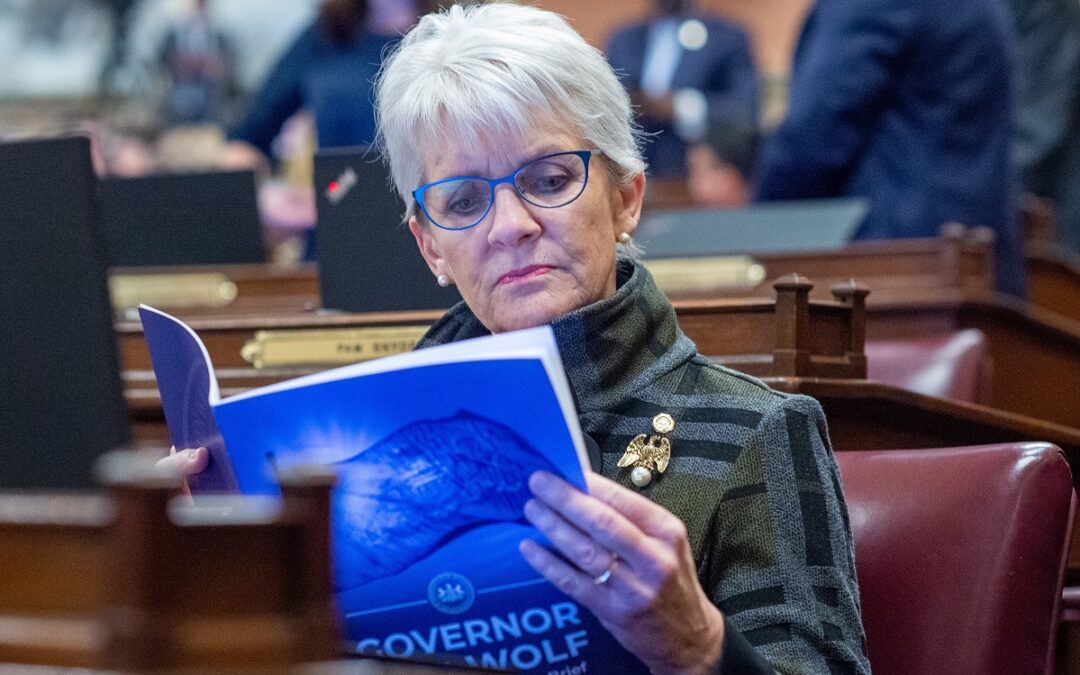
West Chester, Pa – State Senator Carolyn Comitta today issued the following statement in response to Governor Wolf’s 2022-2023 budget proposal:
“Pennsylvania is at a unique moment in history. As we continue to manage the public health, economic, educational, and community impacts of the COVID-19 pandemic, for one of the first times in memory we look to the upcoming budget year with remarkable promise and potential.
Thanks to federal American Rescue Plan funds, sound fiscal management, and higher than expected revenues, the Commonwealth is projected to end this fiscal year with a nearly $6.4 billion surplus. Today, the governor presented his 2022-23 budget proposal.
Some of the highlights include:
Investments in Education:
- A $1.55 billion increase in funding for basic education
- Including $300 million in Level Up funding to the 100 highest‐need school districts
- A $200 million increase for special education.
- More than $70 million in additional funding for early childhood education programs.
- A more than $180 million increase for higher education programs to freeze tuition, support scholarships, and make college more affordable.
- $1 million to establish the Hunger-Free Campuses Initiative, which I have introduced in the Senate.
- And a $500,000 increase for the “It’s On Us” campaign to combat sexual assault on college campuses.
Investments in Public Health, Mental Health, and Human Services:
- A nearly $37 million increase in county mental health funding to support critical behavioral health services.
- $50 million to increase supplementary payments for personal care homes to invest in support services.
- Nearly $19 million to provide services to individuals with intellectual disabilities on the emergency waiting list
- $15 million to expand access to evidence-based home visiting programs.
- And strong investments in our public health infrastructure, substance abuse treatment providers, suicide-prevention programs, and staffing at skilled nursing facilities.
Investments in Our Environment:
- $450 million in federal funding for Growing Greener III to establish vital conservation, recreation, preservation, and community revitalization projects and address the threat of climate change.
- An increase of $2.5 million for the Department of Conservation and Natural Resources to support park staffing and outdoor management, recreation, and safety.
- $5 million in funding for a new program to protect forest health and an additional $3.5 million to support agricultural health.
- An additional $5 million for the Department of Environmental Protection to fund new positions supporting clean water, waterways, and wetlands.
- Plus, a significant infusion of new federal funds for DEP from the federal Infrastructure Investment and Jobs Act for orphan well plugging, energy programs, electric grid resilience, energy efficiency and conservation, abandoned mine reclamation, and assistance for environmental justice communities.
Today, we have an unprecedented opportunity – one that calls for bold, sustained, and smart investments in our future.
The proposed budget does not raise taxes. It also calls for cutting the corporate net income tax rate from 9.99 percent to 7.99 percent next year and even further in upcoming years, with a path to 4.99 percent. I strongly support these investments to address our needs today and the challenges of tomorrow.
As we officially begin the 2022-23 budget process, Pennsylvania is on solid fiscal footing. It is time for us to come together and invest in the future. I look forward to working with my legislative colleagues to come together and make investments that prepare Pennsylvania students, workers, families, and communities to be stronger, healthier, and more prosperous future for generations to come.”
February 3, 2022
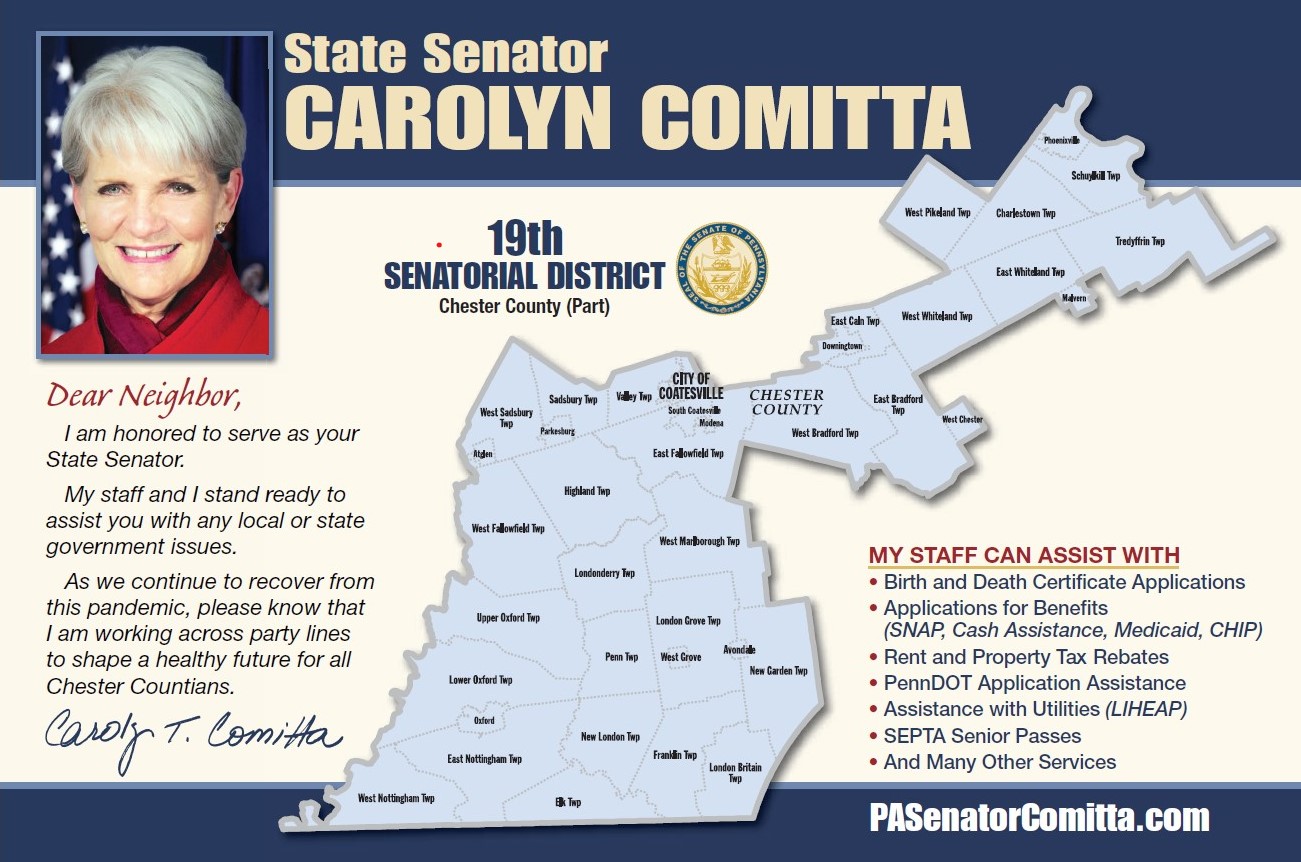
Helpful Info for New Residents:
Mental Health Support & Referral Helpline:1-855-284-249
Brandywine Valley SPCA (to report a lost or stray dog): 610-692-6113
Chester County Government: 610-344-6000
Chester County Health Department (COVID Hotline): 610-344-6225
Chester County Commissioners Office: 610-344-6100
Chester County Conference and Visitors Bureau:484-770-8550
Chester County Library: 610-344-5600
LIHEAP/Energy Assistance: 1-866-857-7095
SNAP/Food Assistance: 1-800-692-7462
Human Services Helpline: 1-800-692-7462
Internal Revenue Service: 1-800-829-1040
PACE (Prescription Assistance): 1-800-225-PACE
PA Game Commission SE Office (report wildlife emergencies, etc.): 610-926-3136
PA Fish & Boat Commission (purchase a license or questions): 877-707-4085
PA Teleclaims (Unemployment Assistance): 1-888-255-4728
PA Turnpike Commission (EZ Pass): 1-877-736-6727
PECO (report outages, gas leaks or odors, etc.): 1-800-841-4141
PennDOT License/Registration Problems: 1-800-932-4600
PennDOT Customer Care (roadway concerns, etc.): 1-800-FIX-ROAD
Property Tax/Rent Rebate: 1-888-222-9190
SEPTA (Southeastern Pennsylvania Transportation Authority): 215) 580-7800
Social Security Benefits: 1-800-772-1213
State Health Line: 1-877-PA Health
United Way of Chester County (for Human Services related assistance): 2-1-1
Veteran’s Information: 1-800-547-2838
YMCA of Greater Brandywine: 610-643-9622
Moving within Pennsylvania:
Residents of Pennsylvania are required by law to report their change of address within 15 days of moving. In order to accurately report this change, you can change your address online for your driver’s license/photo ID card and vehicle/trailer registration or you can complete an MV-63 (PDF), “Change of Address” and mail it to the address listed on the form. If you hold a commercial driver’s license, you must complete a DL-80CD (PDF) and pay the duplicate fee to have your address updated.
Please Note: You are required to change your vehicle registration information and your driver’s license information. Keeping PennDOT records up-to-date ensures you will receive all driver licensing and motor vehicles mailings.
Out of State Residents:
Important Information For New Residents (pa.gov)
All new residents with out-of-state non-commercial driver’s licenses must obtain a PA Driver’s License within 60 days of establishing Pennsylvania residency. To apply, you must appear in person at one of our Driver License Centers.
Driver License Centers:
-
- PennDOT Photo & Exam Center
Lincoln Court Shopping Center
225 Lancaster Ave
Malvern, PA 19355
- Driver License Center: Monday (CLOSED), Tuesday-Saturday from 8:30am-4:15pm
- Photo License Center: Monday-Saturday from 8:30am-4:15pm
-
- PennDOT Photo & Exam Center
Granite Run Mall (Behind ACME)
1067 W. Baltimore Pike
Media, PA 19063
- Driver License Center: Monday (CLOSED), Tuesday-Saturday from 8:30am-4:15pm
- Photo License Center: Monday-Saturday from 8:30am-4:15pm
Do you need a REAL ID?
Beginning May 3, 2023, Pennsylvanians will need a REAL ID-compliant driver’s license, photo ID card, or another form of federally-acceptable identification (such as a valid passport or military ID) to board a domestic commercial flight or enter a federal building or military installation that requires ID.
If you’re looking to renew your current driver’s license or photo ID card AND obtain a REAL ID, please click here for general REAL ID information.
Registering to Vote:
First time voters in Pennsylvania can visit VotesPa.com to register online, find your polling location, deadlines and much more information for new residents.
To register you must:
- Be a United States citizen at least 30 days before the next election
- Be a resident of Pennsylvania and your election district for at least 30 days before the next election
- Be at least 18 years of age on the day of the next election
If you’ve recently moved or need to change any of your voter information, such as: name, political party, etc. You will need to complete the Voter Registration Application (pa.gov).
Chester County Voter Services:
601 Westtown Rd, Suite 150
West Chester, PA 19380-0990
610-344-6410
https://www.chesco.org/156/Voter-Services

February 1, 2022
West Chester, Pa – The Chester County Food Bank will receive $50,000 in state funding to purchase new equipment thanks to the work of state Senator Carolyn Comitta.
The Chester County Food Bank, which continues to respond to the growing needs of individuals and families, will use the funds to acquire a freezer and other equipment to support the safe storage and preservation of meals and produce.
Comitta, who serves on the Senate Health and Human Resources Committee, secured the funding through the Pennsylvania Department of Community and Economic Development (DCED) to support the food bank and the innovative programs and initiatives it’s launched and expanded in response to the evolving pandemic.
“At the onset of the COVID-19 pandemic, the Chester County Food Bank, its volunteers, staff, supporters, partners, and network of local cupboards did heroic work to help ensure that no one – no residents, senior citizen, child, or family went hungry,” she said. “Today, that work continues. This investment will help the foodbank continue to rise to meet a series of new challenges, including increased transportation costs and supply chain concerns.”
The Chester County Food Bank offers premade meals, through the program “Meals on Wheels of Chester County,” for those who may have difficulty making a hot meal on their own. Annually, the food bank provides about 14,000 meals a year for Meals on Wheels Chester County.
“With rising food costs and an ongoing pandemic, the need for the Chester County Food Bank has never been greater. With this $50,000 capital project investment, our impact will also be greater,” said Andrea Youndt, CEO of the Chester County Food Bank. “And we have strengthened our network’s infrastructure, adding 40 new community agencies resulting in increased coordination and community impact of our 160 hunger relief partners throughout Chester County. We are grateful for this investment as these funds will be a gamechanger for us to accommodate the growth of our Simple Supper ‘heat and eat meals’ and to sustain a high volume and variety of healthy food for distribution throughout our countywide network.”
Comitta also thanked Youndt and all of the food bank’s staff and supporters for working tirelessly and safely throughout the pandemic.
“Access to healthy, affordable, and fresh produce is essential for all families. Like our other frontline workers, the Chester County Food Bank’s staff continues to provide some stability and certainty to those experiencing food insecurity. We’re grateful for the efforts of food bank staff and volunteers. I will continue to work to provide the tools and resources they need to succeed,” she said.
Formed in 2009, the Chester County Food Bank is the central hunger relief organization serving more than 150 partner agencies in Chester County, according to its website. Through our network of food cupboards, hot meal sites, shelters, and other social service organizations, the food bank distributes more than 3 million pounds to our neighbors with limited or uncertain access to adequate food.
For more information on the Chester County Food Bank, visit chestercountyfoodbank.org.

January 31, 2022
WEST CHESTER (January 31, 2022) — State Senator Carolyn Comitta, a member of the Senate Education Committee, released the following statement in support of the Full Funding Plan announced today her Senate Democratic colleagues:
“Pennsylvania has a historic opportunity to make a landmark investment in our future. I stand with my Senate Democratic colleagues in support of the Full Funding Plan – the largest and most equitable education budget in Pennsylvania history.
The pandemic has highlighted a legacy of chronic underinvestment and inequality in our school funding system. It has exacerbated the impacts of that legacy – a widening achievement gap, a crisis of youth mental health, toxic and unsafe school facilities, staffing shortages, and an inexcusable lack of resources available to students, teachers, and families in our poorest school districts.
Now, we have an opportunity to begin to fix it. With billions of dollars in federal assistance on hand combined with strong revenue projections, we anticipate a year-end balance of well over $6 billion. Investing $3.75 billion to fix and staff our schools, implement the fair funding formula that the legislature has already endorsed, address impacts to academic growth and mental health largely stemming from the pandemic, is the right thing to do. And we should do it right now.
This plan requires no tax increase. It doesn’t drain our savings or call for incurring debt. Rather, it makes use of federal funds that were meant to invest in our economy, our educational system, and our safety net programs to help ensure a brighter future for all Pennsylvanians.
Investments in education have significant and sustained economic impacts in terms of job and career growth, innovation, and human capital. Education is the force that inspires the imagination and stokes the ingenuity of the next generation – the generation that will drive our economic competitiveness and success through the 21st Century and beyond.
For too long, the Commonwealth has been known as home to one of the worst school funding gaps in the nation. For too long, this disparity has significantly hindered the academic, career, and overall life goals of entire generations of students and families. And it’s been a drain on our economy.
Today, the question is very simple. In the words of children’s rights advocate Marian Wright Edelman, it is not ‘whether we can afford to invest in every child; it is whether we can afford not to.’
The Full Funding Plan is the path to robust, well-equipped, fully staffed, and safe schools for every child. It takes us further toward that goal than any other budget before it.
Next week, Governor Wolf will give his budget address, officially kicking off weeks of hearings, meetings and lobbying in Harrisburg. During that time, I will continue to work with my Senate Democratic colleagues to ensure that our voice is heard. Pennsylvania does not have a ‘money problem.’ And we should not have a ‘priorities problem.’ I am ready to work across the aisle to ensure that the future of our students, communities, and economy is and remains a top priority, especially given the significant funding on hand, the tremendous issues at stake, and the historic opportunity that awaits us.”
Read more at pasenate.com/fullfunding

January 26, 2022
WEST CHESTER (January 26, 2022) – Nine schools in Chester County will receive nearly $216,000 in total state funding to purchase safety equipment and enact new safety programs, state Senator Carolyn Comitta announced today.
The funding, which comes through the Pennsylvania Department of Education’s Office of Safe Schools, helps schools and local education agencies promote an environment of greater productivity, safety, and learning and reduce unnecessary student disciplinary actions. The investments also aim to enhance anti-violence efforts between schools and parents, local governments, law enforcement and community organizations.
“These investments in school safety infrastructure and programs help ensure that our schools continue to offer safe, healthy, and positive educational environments where all students are encouraged and inspired to learn to the top of the curriculum,” said, Comitta, who serves on the Senate Education Committee.
In Chester County, two types of school safety targeted grants were awarded to both public and nonpublic schools – equipment grants of up to $25,000 and program grants of up to $20,000.
The recipients are as follows:
- $24,000 for the Chester County Technical College High School for safety equipment.
- $40,860 for the Church Farm School for safety equipment ($22,910) and safety programs ($19,950).
- $20,260 for the Saints Phillip and James School for safety equipment.
- $24,938.00 for the Saint Agnes School for safety equipment.
- $22,700 for the Saint Norbert School for safety equipment.
- $21,515 for Villa Maria Academy High School for safety equipment.
- $12,580 for West Chester Friends School for safety equipment.
- $24,930 for Windsor Christian Academy for safety equipment.
- $22,125 for the Woodlynde School for safety equipment.
The funding, which comes as part of $8 million in competitive Safe Schools Targeted grants, has been awarded to 303 local education agencies across the Commonwealth. Statewide, seventy-eight LEAs received equipment grants totaling $1.74 million and 39 received program grants totaling more than $583,000.
Eligible equipment upgrades under the grant program include protective lighting, surveillance equipment, special emergency communications equipment and radios, electronic locksets, deadbolts, and theft control devices, student, staff, and visitor swipe-card identification systems, and training in the use of the security-related technology.
Eligible safety programs include conflict resolution or dispute management, restorative justice strategies, school-wide positive behavior initiatives and interventions, school-based diversion programs, peer helper programs, risk assessment and violence prevention curricula, student codes of conduct, emergency preparedness and all-hazards plans, counseling services, research-based programs that identify and address risk factors and more.
This grant program was established under Act 18 of 2019, which Comitta supported. It is separate from the School Safety and Security Grant program administered by the Pennsylvania Commission on Crime and Delinquency.
January 20, 2022
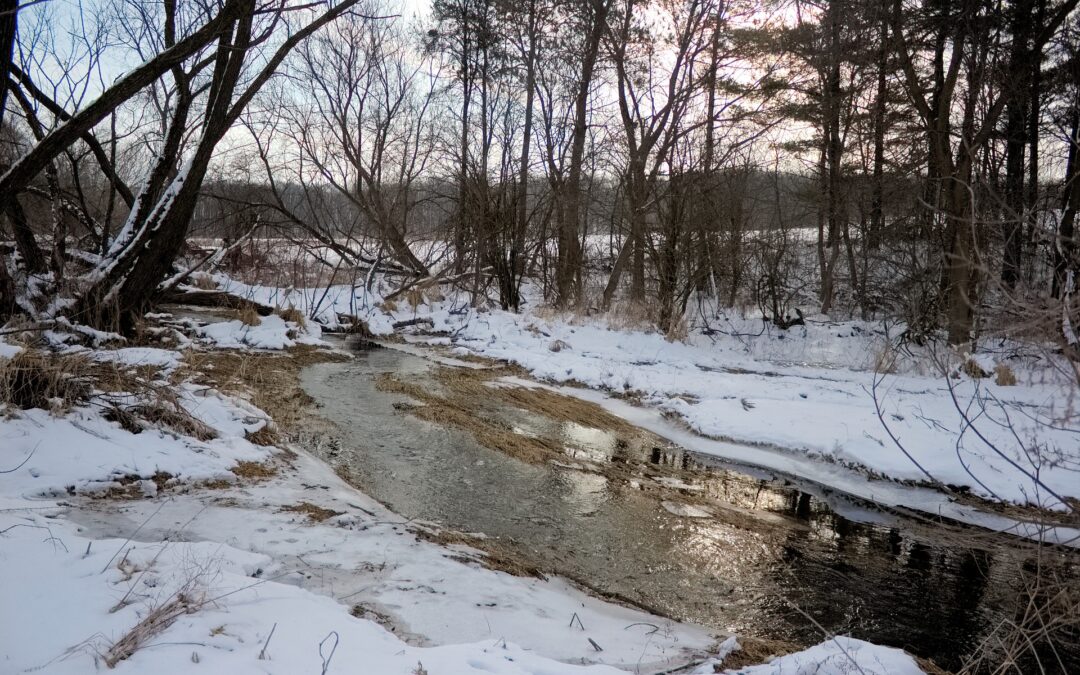
WEST CHESTER (January 20, 2022) – Five projects to protect and restore watersheds in Chester County and the surrounding region will receive more than $1.3 million in total state funding through the Growing Greener Program, state Senator Carolyn Comitta said today.
“As we continue to face the growing impacts of climate change, including more intense precipitation and potential flooding, it’s imperative that we work together with local and regional organizations to better manage the impacts of stormwater runoff on our streams and waterways,” Comitta, who serves as minority chair of the Senate Environmental Resources and Energy Committee, said. “Growing Greener funds continue to play a leading role in that effort.
The grants are as follows:
- $495,944 for the Stroud Water Research Center to implement agricultural Best Management Practices (BMPs) and forested buffers along the Red Clay Creek. The proposed project will implement 55 agricultural BMPs to address livestock impacts to water quality and more than 11 acres of riparian forest buffers on three equine operations in the Delaware River Watershed. The BMPs will address concerns related to equine manure handling and heavy use areas, including grass waterways to address erosion, riparian forested buffers, off-stream livestock watering, livestock exclusion fencing, and stabilized stream crossings. The projects are part of a focused effort to comprehensively address water quality threats and protect stream health. The project is estimated to reduce 5,522.5 lbs. per year of nitrogen, 753.7 lbs. per year of phosphorus, and 272.37 tons per year of sediment.
- $199,680 for the Chester County Conversation District to address the management of mushroom industry byproducts and reduce nonpoint source loading to local streams and tributaries, including within the Chesapeake Bay Watershed. The estimated pollutant load reductions are 1,400 lbs. per year of nitrogen, 654 lbs. per year of phosphorus, and 33 tons per year of sediment.
- $12,740 for Tredyffrin Township for a program to educate citizens about the value of rain gardens by designing and constructing two public rain gardens and organizing educational events. The Tredyffrin Rain Garden Program, launched last year by the Tredyffrin Environmental Advisory Council and the TE Green Team, also provides incentives to residents who apply to receive and maintain a rain garden on their property. The grant funding will support the design and construction of 13 residential rain gardens.
- $340,000 for Tredyffrin Township for the Bair Road/Trout Creek Infiltration, Water Quality, and Flood Mitigation Project. The project seeks to capture, treat, control, and infiltrate stormwater runoff from over 19 acres of upstream residential drainage area with the construction of two subsurface storage and infiltration beds in the township-owned and managed right-of-way. Combined, the two infiltration beds with a high-capacity storage system will be able to store nearly 15,000 cubic feet (110,000 gallons) of stormwater runoff and will manage approximately 7,400 lbs. per yr. of total suspended solids.
- $269,298 for the Brandywine Conservancy to assess and improve water quality in the Brandywine-Christiana watershed. The project calls for working with organizations and partners to achieve measurable water quality improvements in the headwater reaches of the watershed by implementing agricultural BMPs in the Brandywine Headwaters, Red Clay Creek, and White Clay Creek Focus Areas of the Delaware River Watershed Imitative Brandywine-Christina Cluster. The project will also conduct Focus Area Feasibility and Opportunity Assessments to identify strategic watershed-scale water quality interventions on select properties that do not qualify for agricultural BMP funding, culminating in two pilot projects based on the results of the assessment.
The Chester County projects come as part of $3.5 million in total state funding awarded to 14 watershed restoration and protection projects in Southeast Pennsylvania. Grants are awarded for projects in three categories: watershed restoration and protection; abandoned mine reclamation; and abandoned oil and gas well plugging projects.
Growing Greener remains the largest single investment of state funds in Pennsylvania’s history to address Pennsylvania’s critical environmental concerns of the 21st century. Statewide, this year’s awards exceed $18 million and will fund projects focused on design, construction, education, and outreach.
Three other agencies also received funds to distribute for appropriate projects: the Pennsylvania Department of Agriculture to administer farmland preservation projects, the Pennsylvania Department of Conservation and Natural Resources for state park renovations and improvements, and the Pennsylvania Infrastructure Investment Authority for water and sewer system upgrades.
Comitta is also a strong supporter of Senate Bill 525, bipartisan legislation to allocate $500 million in federal American Rescue Plan Funding to establish Growing Greener III in Pennsylvania.
The legislation overwhelmingly passed the Senate Environmental Resources and Energy Committee in September and is now before the Senate Appropriations Committee.
January 18, 2022
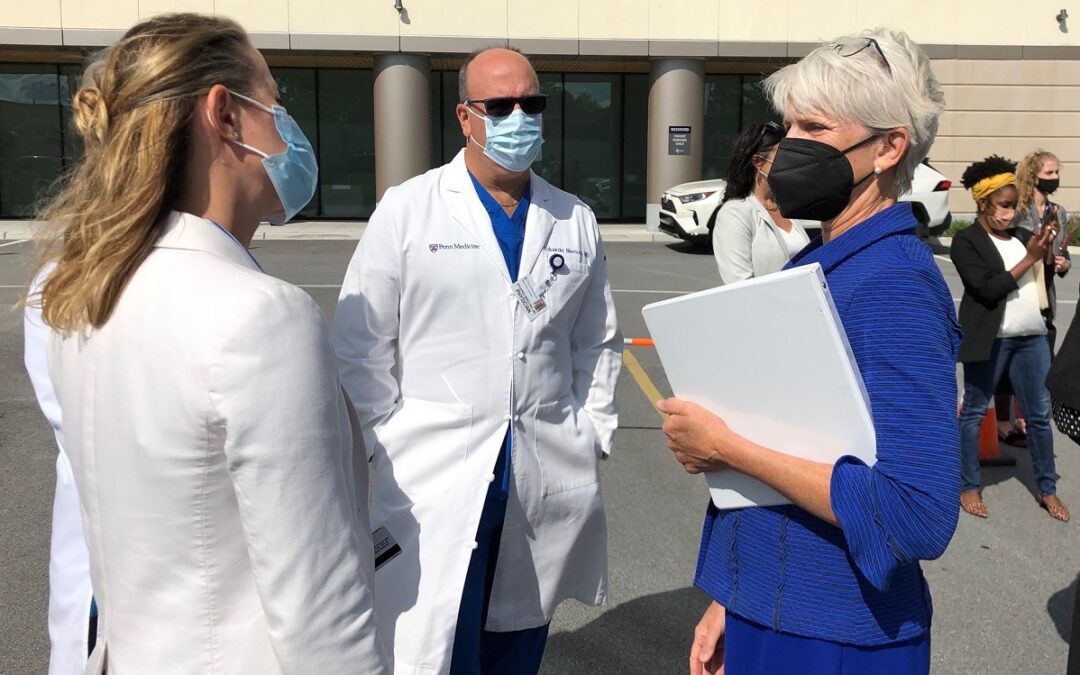
WEST CHESTER (January 18, 2022) – State Senator Carolyn Comitta, state Rep. Christina Sappey, and state Rep. Dianne Herrin announced today that they have secured more than $2.1 million in total state funding to support expanding inpatient and emergency department capacity at Chester County Hospital.
The funding, made available through the federal American Rescue Plan, comes at a crucial time as communities across the county face Tower Health’s abrupt decision to close Jennersville Hospital in southern Chester County and impending plans to close Brandywine Hospital in the Coatesville area at the end of this month.
Comitta, who serves on the Senate Health and Human Services Committee, said the funds will significantly help Chester County Hospital and its emergency department deal with an expected influx of patients due to the closure.
“These are vital and timely investments in our public healthcare and emergency care infrastructure in Chester County – investments that were especially needed in emergency and behavioral health even before the pandemic and well before Tower abruptly announced the hospital closures,” Comitta said. “Of course, both those factors substantially added to the urgency and severity of the situation. Fortunately, we were able to respond quickly to access additional resources and are working to expedite the projects.”
“The growing mental health crisis and its increasing burden on law enforcement and hospitals is a major concern, so I’m particularly pleased that we were able to access this funding to help Chester County Hospital expand its behavioral health treatment area,” Sappey said. “Chester County Hospital has a longstanding tradition of service to our community and they are the right group at the right time to utilize this funding.”
“Chester County Hospital stepped up and helped lead our community through the pandemic from day one, providing vaccinations and emergency services that we very much needed,” said state Rep. Herrin. “This financial support is so well deserved, as the hospital now faces growing urgent care and mental health demands resulting from the new COVID-19 variants and the closure of the two Tower Health facilities. This will further our collective goal to ensure high-quality care for all of our residents.”
The funds are as follows:
- $1.4 million for Chester County Hospital to expand its emergency department capacity. The funds will build upon a project that is currently underway to increase its emergency room from 33 to 43 bays. Funds will also be used to construct a special behavioral health treatment area in the emergency department.
- $775,000 for Chester County Hospital to restore 20 in-patient beds that were decommissioned when opened its new Pavilion in the spring of 2020. The funds will support purchasing new equipment and recruiting and acquiring the staff necessary to return the remaining beds to operation in about one to two months.
“At Chester County Hospital, our mission is to serve the health care needs of all who come to us for care,” stated Michael J. Duncan, President and CEO. “Never in our history has our role been so significant. We are grateful for the support and partnership of the Commonwealth of Pennsylvania and our local government leaders as we work to advance our mission and care for our community.”
The lawmakers also thanked Congresswoman Chrissy Houlahan for her support of the American Rescue Plan Act, which is providing billions of dollars in COVID-19 federal relief to the Commonwealth, as well as Senate Democratic Appropriations Committee Chair Vincent Hughes and House Democratic Appropriations Committee Chair Matt Bradford for their work and that of their staffs in accessing this vital support for Chester County residents and families.
“At a time when our community is experiencing hospital closures in southern Chester County and increased hospitalizations due to COVID-19, this couldn’t be more welcome news,” said Houlahan. “When the House passed the American Rescue Plan in March of last year, this is exactly the type of community investment I voted for. Senator Comitta, Representative Sappey, and Representative Herrin are tireless advocates for the people of Chester County, and we stand united in celebrating these federal funds that will expand medical services, including mental health, for countless Pennsylvanians.”
Comitta said the investments in more emergency and hospital beds and more treatment availability for those with behavioral health issues will help save lives and manage a potential increase in patients as officials keep working toward a long-term solution for Jennersville and Brandywine Hospitals and the many residents and families who rely on them.
She, Sappey, and Herrin also indicated that they, along with county officials and fellow members of the bipartisan state legislative delegation, continue to work diligently toward a sustainable solution for both hospitals.
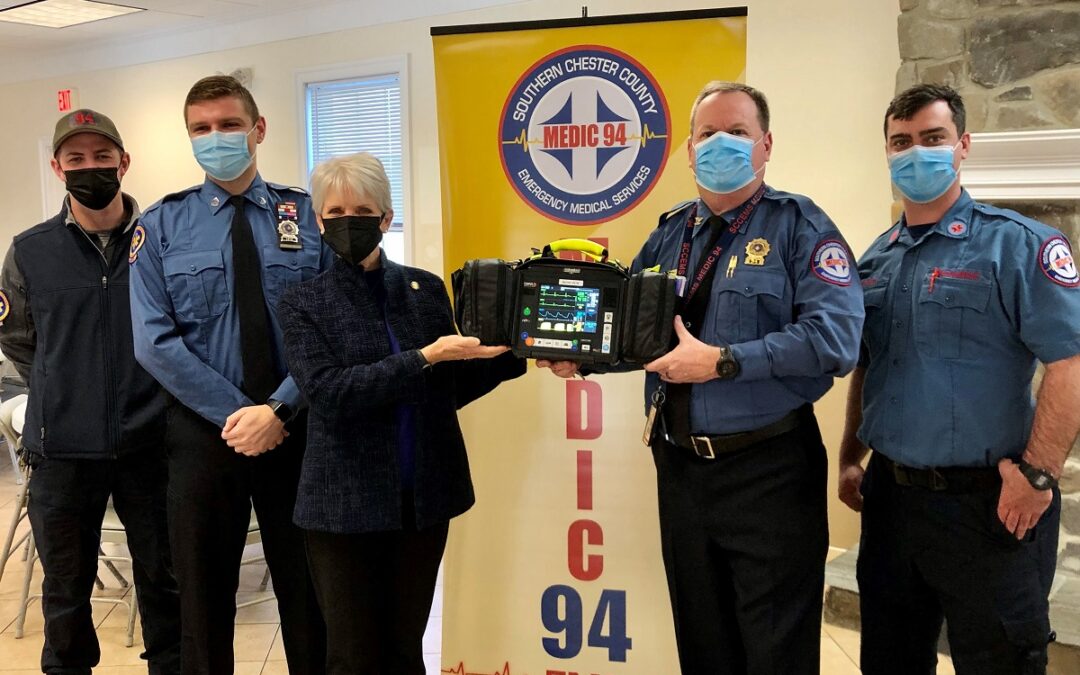
January 17, 2022
PENN (January 17, 2022) – State Senator Carolyn Comitta recently secured $50,000 in state funding for Southern Chester County Emergency Medical Services/MEDIC 94 to support the purchase of new Philips Tempus ALS Cardiac Monitor defibrillators for its licensed paramedic units
The funding helped put the nonprofit organization over the finish line in its capital campaign to make the vital equipment upgrades to all its paramedic units.
Comitta, who serves on the Senate Health and Human Services Committee, said the investment comes at a critical time as residents, families and communities in southern Chester County face the impacts of Tower’s Health’s abrupt decision to close Jennersville Hospital.
“Our emergency first responders and response organizations need the most advanced tools and technology to provide the best care to residents in their time of greatest need,” she said. “These investments will help MEDIC 94 paramedics communicate seamlessly with emergency room doctors when lives are on the line and every second counts. I want to thank all of our paramedics and emergency first responders across Chester County for their ongoing work in the face of the unprecedented challenges of this evolving pandemic, coupled with the impacts of sudden hospital closures.”
The new monitors are critical to expanding the pre-hospital scope of care that first responders can provide while en route to emergency rooms, especially in light of the closure of Jennersville Hospital. They offer a unique combination of diagnostic tools that can communicate vital patient information directly to emergency rooms via a secure, real-time data stream. This complete end-to-end system allows emergency departments to better prepare for rapid treatment, leading to better patient outcomes.
“This valuable funding championed by Senator Comitta will allow MEDIC 94 to purchase this valuable piece of life-saving equipment,” said Bob Hotchkiss, Chief Executive Officer. “Our dedicated and talented paramedics will now have the Philips Tempus ALS monitor available for use with all of our patients.”
Southern Chester County Emergency Medical Services/MEDIC 94 updated and replaced its cardiac monitor defibrillators, which are nearing the end of their 15-year lifespan, through funding and support from the community, businesses, and municipalities, as well as the state. It is estimated that the monitors will be used an average of eight times per day, every day for the next 15 years, meaning nearly 44,000 patients will be treated with the Tempest ALS over its lifespan.
Comitta noted that she, along with county officials and the state legislative delegation, continue to work diligently toward a long-term solution for Jennersville and Brandywine Hospitals and the many residents and families who rely on them.
“While these improvements and upgrades may not be a substitute for brick-and-mortar hospitals and emergency rooms, they are much-needed and could not come soon enough to help ensure quality emergency care for our growing population,” she said.
MEDIC 94 is a regional advanced life support (ALS) service operated by Southern Chester County Emergency Medical Services, Inc., a nonprofit organization founded in 1983 to provide ALS services across southern Chester County. This is accomplished through strong partnerships with fire-company-based ambulance services in Oxford, West Grove, Avondale, and EMS in Cochranville.
To learn more about Southern Chester County Emergency Medical Services/MEDIC 94, visit medic94.org
January 14, 2022
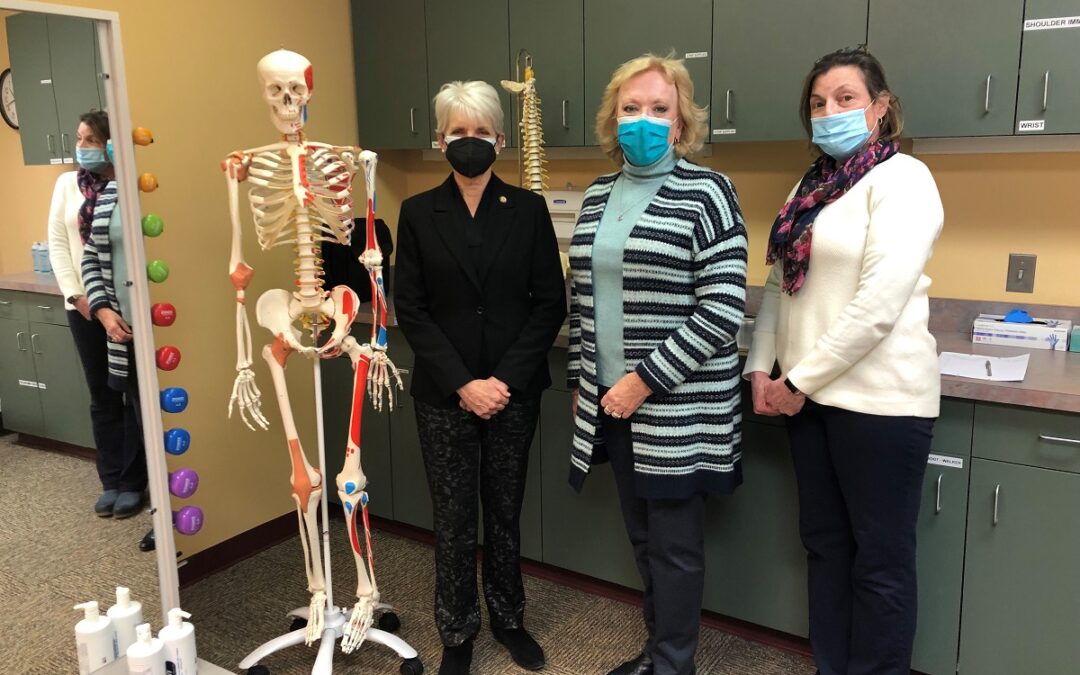
WEST CHESTER (January 14, 2022) – Community Volunteers in Medicine (CVIM), a nonprofit organization providing free medical service to those in need, now has a designated area and equipment for its physical therapy program, thanks to $50,000 in state funding secured by state Senator Carolyn Comitta.
CVIM is using the funds to develop an onsite physical therapy room with therapeutic devices and physical therapy equipment – including tools that clients can borrow to continue their rehabilitation at home – to support its growing physical therapy program.
“It’s always important to support CVIM and the other free clinics throughout our area that make up an integral part of our healthcare infrastructure,” Comitta said. “I hope this investment will help more patients and residents access the benefits of physical therapy in recovering from illness or injury, reducing pain, avoiding surgery, and enjoying better mobility, balance and overall health and wellness.”
According to CVIM President and CEO Maureen Tomoschuk, CVIM currently serves approximately 25 patients a week in its physical therapy program, which is supported by a staff of dedicated volunteers, including two physical therapists, two physiatrists, an athletic trainer, and a hand therapist, as well as additional volunteer professionals offering chiropractic care and acupuncture therapy.
“We are so grateful to Senator Comitta for her ongoing advocacy for CVIM and our mission, and for securing the funding for our new physical therapy room,” Tomoschuk said. “Our volunteers are now fully equipped to help our patients get healthy and return to work. This is especially important as COVID-19 continues to spread in our community, and we work to make sure our patients are fully supported in all of their medical and dental needs.”
The dedicated physical therapy room and equipment upgrades are especially important as the organization serves a majority of patients who work physically demanding jobs in manual labor and the service industry. That means many CVIM clients are susceptible to injuries and may live in chronic pain, but struggle to access or afford physical therapy due to prohibitive out-of-pocket costs.
CVIM’s physiatrists and physical therapy team aim to empower patients through education, rehabilitation, and prevention, as well as nonopioid medications, injections, modalities, and therapeutic exercises.
The organization also now has a dedicated space for its own electromyography (EMG) machine, a diagnostic tool used to assess nerve and muscle function, which is particularly helpful for its many patients dealing with hand or wrist injuries, like carpal tunnel syndrome.
Comitta, who serves on the Senate Health and Human Services Committee, thanked Tomoschuk and all CVIM’s staff and volunteers for their ongoing work to provide compassionate medical and dental care and health education to Chester County residents and families who lack access to health care.
“It is a challenging time in healthcare as free clinics like CVIM continue to deal with the evolving pandemic,” she said. “That’s why we must continue to support and invest in our healthcare infrastructure so that all people have an opportunity to lead healthy, happy, and productive lives.”
Comitta also thanked CVIM for administering thousands of doses of the COVID-19 vaccine and continuing to assist so many residents and families in need throughout the evolving pandemic.
Founded in 1998, CVIM was the first community-based volunteer clinic of its kind in Southeastern Pennsylvania. Today, it continues to grow and expand to meet the needs of Chester County residents and families who lack access to insurance. Last year, CVIM treated 5,000 patients during more than 41,000 visits.
January 5, 2022
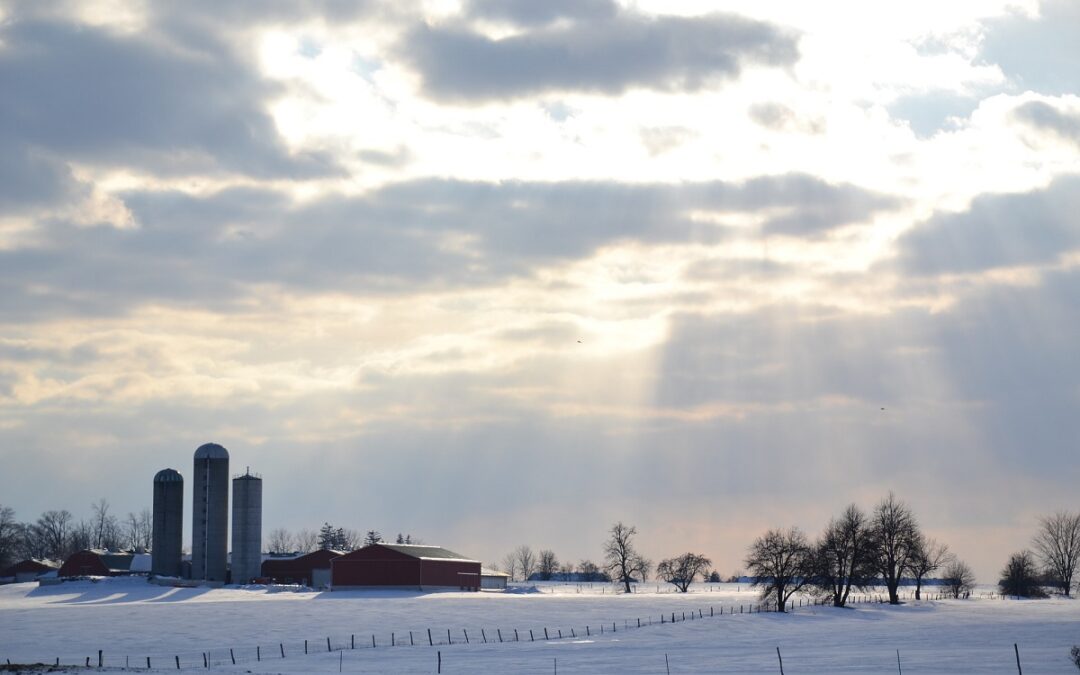
WEST CHESTER (January 5, 2022) – More than 150 acres of farmland in Cochranville and Oxford will be preserved thanks to state and county investments in agricultural land preservation, state Senator Carolyn Comitta said today.
“Local farms are already partners in preserving our agricultural heritage, supporting our economy, and helping ensure access to fresh and nutritious food,” said Comitta, who serves on the Senate Agriculture and Rural Affairs Committee. “With these investments, they’re also partners in conserving the open spaces and scenic rural areas that continue to define Chester County.”
The farms, which are being preserved through investments from the Pennsylvania Farmland Preservation Program, are as follows:
- The Larry W. And John D. Althouse Farm, a 53-acre livestock farm in Cochranville, received $174,690 from the state program.
- The David K. and Katie F. King Farm, a 55-acre dairy farm in Oxford, received $14,500 from the state program and $204,350 from the county program.
- The Stewart Ramsey and Wendy Komnik Farm, a 28-acre equine farm in Cochranville, received $6,520 from the state program and $136,517 from the county program.
- The Peter L. Temple Farm, a 15-acre crop farm in Cochranville, received $4,000 from the state program and $61,700 from the county program.
Those farms, along with the David and Phoebe McElhenny Farm, an 18-acre crop and livestock farm in Honeybrook, received $202,425 in total state and $511,556 in total Chester County farmland preservation funding. The farmland comes as part of 2,569 acres on 30 farms across Pennsylvania protected from future development with more than $7.2 million in state, county and township dollars.
Last year, the Commonwealth approved 166 conservation easements covering 14,397 acres that will permanently remain productive farms.
Pennsylvania leads the nation in both the number of farms and acres permanently preserved for agricultural production. The Farmland Preservation Program, also known as the Pennsylvania Agricultural Conservation Easement Purchase Program, was developed to strengthen Pennsylvania’s agricultural economy and protect prime farmland. This program enables state and county governments to purchase conservation easements from farmers.
Since 1988, the program has purchased permanent conservation easements on 5,979 Pennsylvania farms, covering 606,215 acres in 58 counties, and ensuring they will remain farms in the future.
###

December 29, 2021
WEST CHESTER (December 29, 2021) – The Chester County Conservation District will receive nearly $570,000 in state grant funding to improve the health of local streams, rivers, and lakes by reducing nutrient and sediment pollution.
The funds come as part of $17.4 million in total grant funding awarded to projects in 33 counties across the Chesapeake Bay Watershed to implement countywide action plan projects and verify pollution-reducing best management practices.
“These investments are important to building on our ongoing success in managing and stemming the impacts of agricultural runoff, a leading nonpoint source of pollution to our streams, rivers, and lakes,” Comitta, who serves as minority chair of the Senate Environmental Resources and Energy Committee, said. “By working with Pennsylvania communities and farmers, municipalities, businesses, and other landowners, we can better protect our environmental health, our public health, and our economic health.”
Pennsylvania’s share of the Chesapeake Bay Watershed spans half the state and includes over 12,000 miles of polluted streams and rivers. Nutrient (nitrogen and phosphorus) pollution and eroded sediment enter streams, rivers, and lakes from widely dispersed human activities on the land, such as using too much fertilizer, plowing and tilling farm fields, stripping away trees and vegetation, and expanding concrete and paved surfaces.
The funding is geared toward enabling county teams and partners to build on the record progress Pennsylvania is making in the watershed. It includes $15 million from the Pennsylvania Environmental Stewardship Fund, primarily the Growing Greener Program, and $2.4 million from EPA.
“Pennsylvania has begun to achieve real change to improve the health of the watershed, thanks directly to hard work being done by county-level teams of government, nonprofit, and private-sector partners,” said Gov. Wolf. “It’s crucial that their unprecedented momentum be sustained by broad support. Their actions will benefit our drinking water, protect the long-term viability of our farms and outdoor recreation economy, and help our communities reduce flooding and attract business.”
“With 26 counties developing plans this year, all 34 counties that were asked to develop Countywide Action Plans to reduce nutrient and sediment pollution have now completed them,” said Department of Environmental Protection (DEP) Secretary Patrick McDonnell. “Reaching this exciting milestone attests to the growing understanding among landowners and community leaders of the value of healthy water ecosystems to Pennsylvanians’ quality of life and livelihoods. DEP is committed to supporting these local partnerships as they follow now with action.”
Nitrogen runoff pollution was reduced by more than 4 million pounds in 2020, with half the reduction coming from agriculture and half from the wastewater treatment sector. Also, more than a half-million acres of cropland were in compliance with nutrient and manure management practices last year.
Farmers used enhanced nutrient management on more than 305,500 acres of cropland in 2020. Going above and beyond standard nutrient management, this approach applies fertilizer in a 4R approach: right time, right source, right place, and right rate.
“Increasingly, farmers recognize that soil, nitrogen, and phosphorus running off the land into streams is a symptom of a farm operating at less than peak efficiency. For many, the pandemic underscored the importance of ensuring their farm’s future viability, which requires stewardship of their soil and water today,” said Department of Agriculture Secretary Russell Redding.
In addition, last year more than 17 miles of streams were fully restored, and tens of thousands of trees were planted, many through programs by the Pennsylvania Department of Conservation and Natural Resources and the Chesapeake Bay Foundation.